11 Empty Corner in Living Room Ideas That Make the Space Useful

As an Amazon Associate I earn from qualifying purchases.
An empty corner can become one of the most useful and beautiful areas in your living room. With the right empty corner in living room ideas, you can turn an unused spot into a cozy, stylish, and functional part of your home.
A tall indoor plant, a comfortable accent chair, or a small side table can quickly fill an awkward corner. You can also add a floor lamp, floating shelves, a reading nook, or a slim cabinet for extra storage. Choose pieces that match your existing decor so the corner feels like a natural part of the room.
This article features creative empty corner in living room ideas that are simple and easy to try. These ideas can help you make better use of your space while adding warmth, style, and personality.
Why 11 Empty Corner in Living Room Ideas That Make the Space Useful Works
A living room corner that earns its keep improves flow, supports daily routines, and reduces visual clutter. When storage and function align with how you live, you’re more likely to put things away and keep surfaces clear. Good organization helps you enjoy the space without feeling boxed in.
Designing around a corner should consider real habits, not just aesthetics. The goal is to make the corner feel intentional, with a home for everything and a clear path for movement. A balanced mix of hidden storage and open display keeps the room looking calm while staying practical.
What you’ll gain is a room that looks confident and feels easy to use. Let’s dive into eleven distinct, fully developed corner solutions that honor function and style alike.
1. Built-in Booth-and-Corner Cabinet
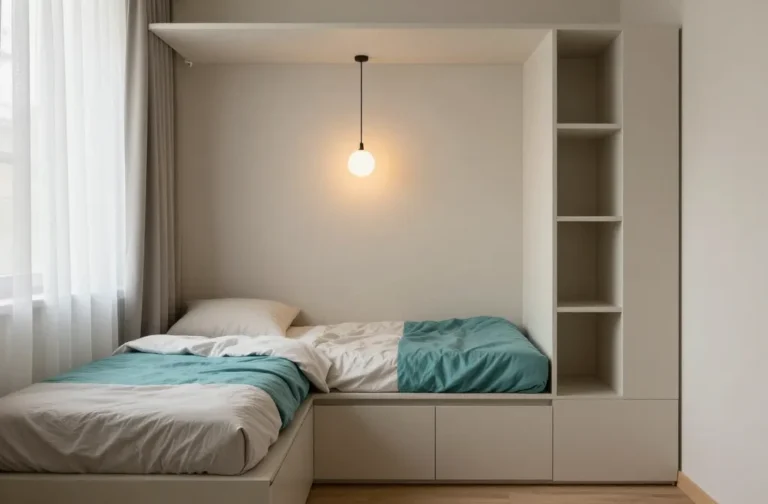
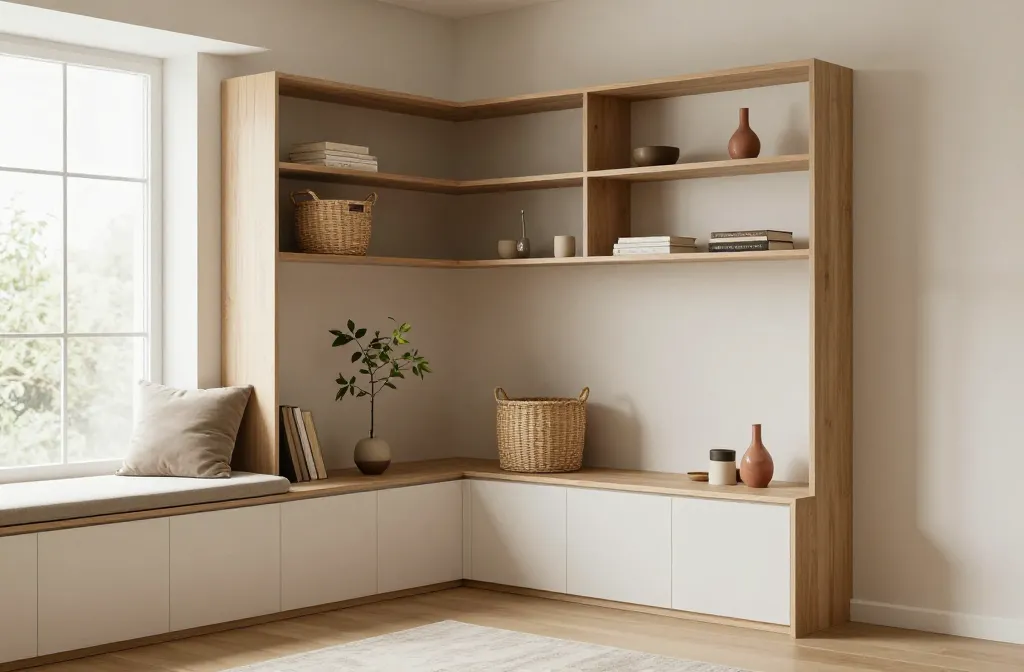
Turn the corner into a compact storage booth with a built-in bench and cabinet run. Use closed cabinetry on the lower portion for games, blankets, and electronics accessories, and install a small, shallow shelf above for books or decor. A cushioned seat invites daily use and encourages tidying up as you sit down.
Why This Setup Works
The built-in unit creates a clear home for items that tend to pile up, from remotes to charging cords. It defines the corner as a functional zone (storage plus seating) rather than an empty void, improving room flow and reducing surface clutter.
Color and Visual Balance
Choose a finish that echoes the room’s wood tones or a soft neutral that blends with walls. A slightly darker cabinet base with a light seat cushion can ground the space without drawing excessive attention.
Furniture and Layout Strategy
Position the bench so it faces the room, creating a small cafe-like seating area. The cabinet runs along the adjacent wall, forming a continuous, low-profile line that feels integrated rather than bulky. Ensure at least 36 inches of clear path around the seating to keep traffic smooth.
Smart Storage and Decor
Install dividers inside drawers and closed compartments so things go back to their homes. Add a few decorative baskets on top or inside the cabinet for visually appealing storage. A small plant or art piece on the wall above humanizes the setup.
Budget-Friendly Organization Upgrade
Repurpose existing cabinetry or build a simple plywood lid to convert an unused portion of a bookcase into a bench seat. Use shelf dividers and labeled bins from around the house to create instant order without buying new furniture.
Functional Designer Insight
Keep the bench depth comfortable for seating but shallow enough to avoid crowding the room. A built-in look feels seamless because it uses vertical space effectively and minimizes floor clutter.
Best for living rooms with a little extra width in the corner and a need for hidden storage plus a small seating option.
2. Corner Media Console with Vertical Storage
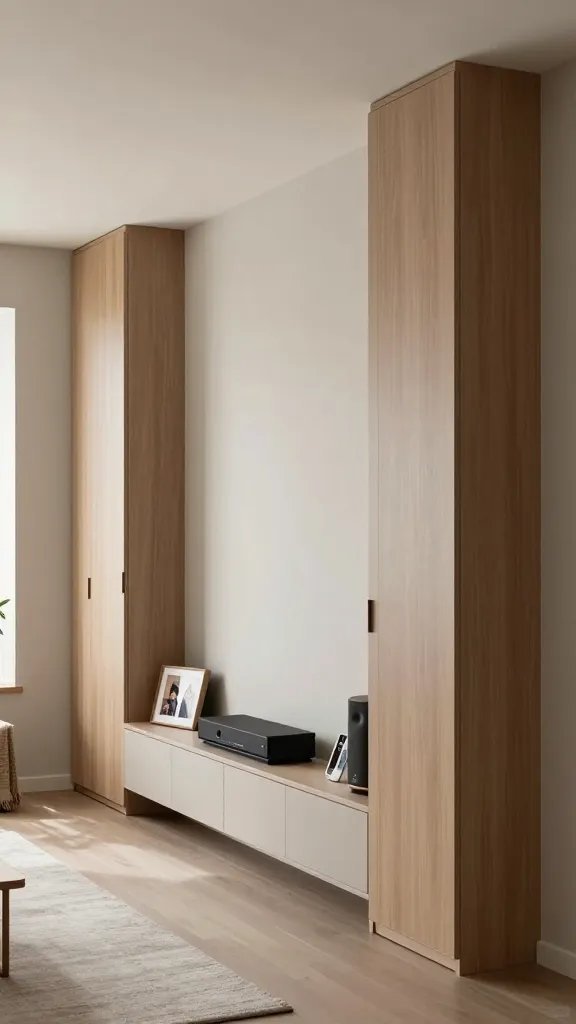
Create a compact media zone that expands vertically. A low media console runs along one wall with tall, slim cabinets flanking the corner. The vertical storage keeps media boxes, games, and remotes out of sight, while the top surface can hold a speaker and family photo display.
Why This Setup Works
Vertical storage adds depth without widening the footprint. It keeps media essentials tucked away while leaving space for a decorative touch that personalizes the corner.
Color and Visual Balance
Opt for a warm wood finish or a soft gray with matte hardware. The vertical cabinets in a slightly different shade from the wall help define the corner without creating visual heaviness.
Furniture and Layout Strategy
The console anchors the corner, while the tall cabinets create a framed look. Leave enough space for access to the back of the equipment and for cords to reach outlets without becoming visible.
Smart Storage and Decor
Inside the cabinets, use adjustable shelves and labeled bins. On top, a small lamp, a plant, and a framed photo balance practicality with warmth.
Budget-Friendly Organization Upgrade
Use a secondhand media console and add inexpensive shelves or peg rails on the inside panels for extra small-item storage. Wire management ties keep cables tidy and out of sight.
Functional Designer Insight
Prioritize accessibility for remote controls and gaming devices. A shallow, open top shelf makes it easy to grab what you need without digging through stacks.
Great for living rooms near the television or a cozy seating area where you want a tidy focal point without blocking natural light.
3. Corner Desk Nook for Work and Play
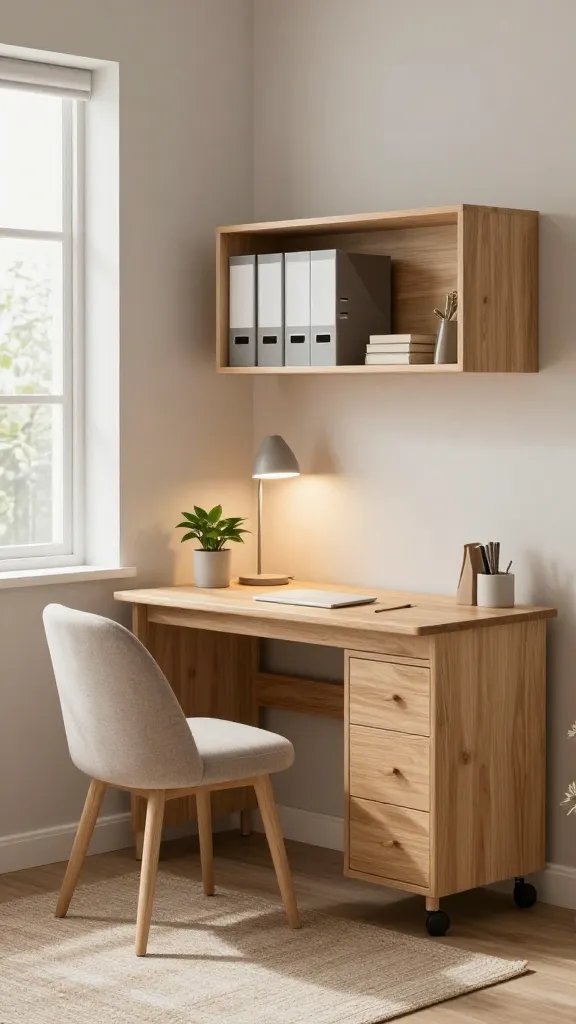
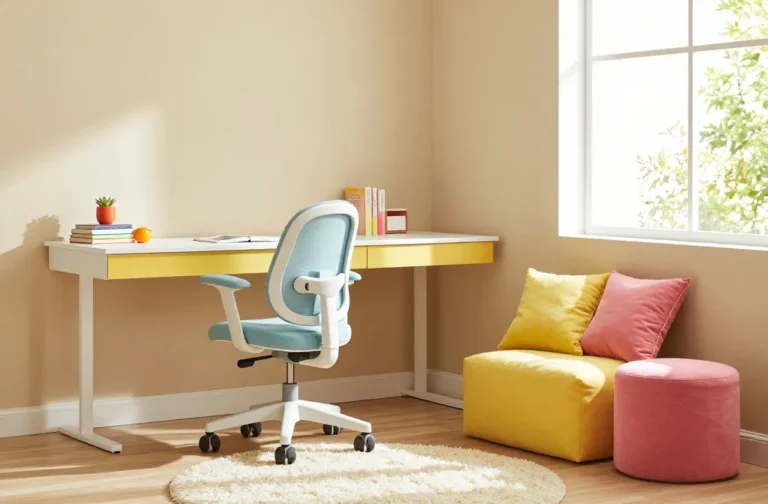
Make the corner a soft, dedicated workspace that folds into life as a relaxation zone. A compact desk with a small filing cabinet or rolling drawer unit tucked in the corner frees up other surfaces while providing a real desk area for daily tasks.
Why This Setup Works
Assigning a specific area as a work zone helps with separation between tasks and living time. It keeps distractions contained and allows you to finish quick tasks without pulling out a heavy setup.
Color and Visual Balance
Select a desk color that harmonizes with the living room furniture. A light wood or cool gray keeps the area from feeling like a separate room and helps it blend gracefully.
Furniture and Layout Strategy
Place the desk at an angle that faces into the room for a sociable vibe when you work. Add a small rolling cabinet that can slide out of the way as needed to reclaim floor space.
Smart Storage and Decor
Use a corkboard or magnetic board above the desk for quick notes. A slim filing system or labeled bins keeps papers and supplies in check without crowding the surface.
Budget-Friendly Organization Upgrade
Repurpose a low bookcase as the desk base and add a ready-made desktop. Use binder sleeves and magazine files to corral papers without buying new filing furniture.
Functional Designer Insight
Keep the chair close to the desk but with room to spin. A small rug under the desk defines the zone and helps anchor it visually within the living room.
Ideal for apartments or living rooms that double as a home office or study zone.
4. Corner Reading Nook with Hidden Storage

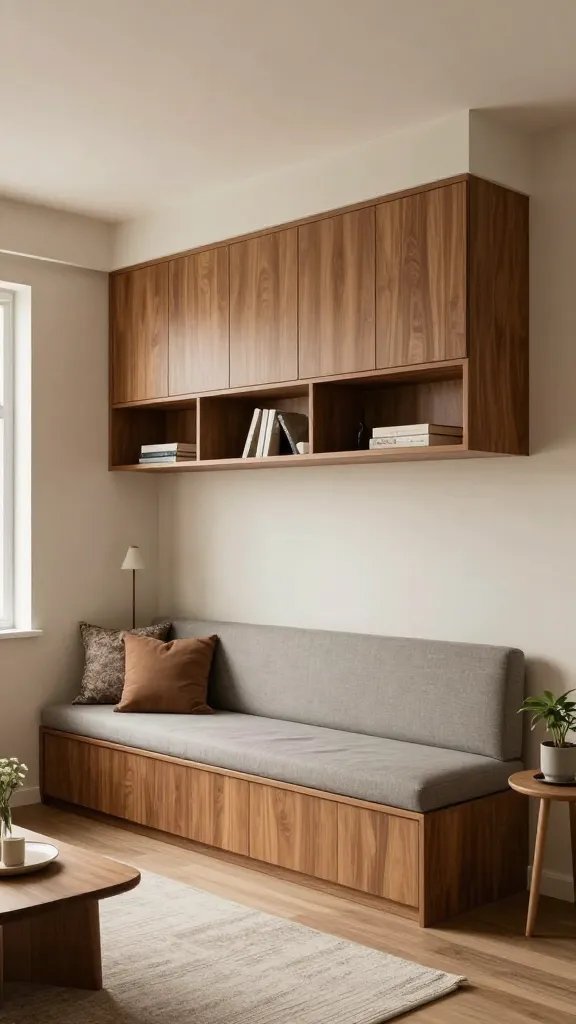
Design a cozy corner reading nook with a compact chaise or armless sofa and a slim bookshelf. Build in a storage bench beneath the seating to stash blankets and reading accessories, keeping the surface pristine while inviting long, relaxed sessions.
Why This Setup Works
A dedicated reading zone encourages daily relaxation and helps keep clutter away from sofas and side tables. The hidden storage ensures essentials stay within reach but out of sight.
Color and Visual Balance
Choose a soft, warm palette so the nook feels inviting. A pop of color in the cushion or a throw keeps the area lively without overpowering the rest of the room.
Furniture and Layout Strategy
Place the chaise at an angle toward a window or a wall art focal point. The slim bookshelf sits on the adjacent wall, with the storage bench forming a natural boundary that keeps traffic flowing.
Smart Storage and Decor
Use labeled baskets inside the bench for quick access to reading lights, blankets, and magazines. A wall-mounted light and a small plant finish the space with practical charm.
Budget-Friendly Organization Upgrade
Recycle a thrifted bench or ottoman with a hinged lid for hidden storage. Add DIY fabric lining to the inside to protect stored items and keep everything tidy.
Functional Designer Insight
Make sure there is a defined visual line between the seating area and the rest of the room; it helps the eye settle and keeps the nook feeling intentional rather than tossed together.
Best for readers who want a peaceful corner without sacrificing living-room energy.
More Home Inspiration
17 Corner Makeup Vanity Ideas for Bedroom Spaces That Save Room
15 Country Farmhouse Bedroom Decor Ideas Full of Rustic Charm That Wow
11 Olive Bedding Bedroom Ideas for a Warm Earthy Retreat
12 Green Bed Bedroom Ideas for a Fresh and Stylish Space
11 Mirror Wall Decor Bedroom Ideas to Brighten and Elevate Your Space That Wow
14 Terracotta Bedroom Ideas for a Warm Earthy Space to Cozy Up Your Night
13 Corner Study Table Ideas for Bedroom Spaces That Save Room
5. Corner Console with Planter Wall
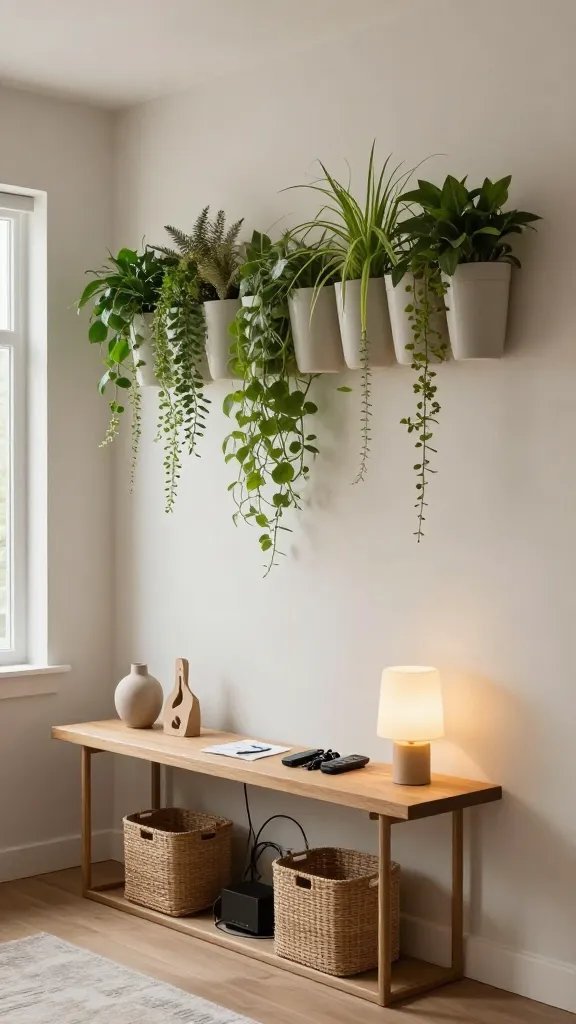
Install a narrow console table with a row of decorative planters on the wall above it. The planters create a vertical garden feeling, while the console provides a surface for daily essentials and a few decorative items. Use slim storage baskets underneath for extra cords and electronics.
Why This Setup Works
Vertical gardening draws the eye upward, making the corner feel taller and more alive. The console keeps a small surface available for keys, mail, and remotes while storage baskets hide cables and accessories below.
Color and Visual Balance
Greens and natural textures pair beautifully with wood tones and neutral walls. A green wall or a mix of planters adds life without cluttering the space.
Furniture and Layout Strategy
The console runs along the base of the wall, while the planter wall acts as a soft divider between the living area and a pass-through. Ensure the console height aligns with nearby seating for easy reach.
Smart Storage and Decor
Use ventilated baskets for electronics to keep airflow and heat safe, and choose decorative containers for small items. A mirror or reflective art above the console helps bounce light and expand the feel of the room.
Budget-Friendly Organization Upgrade
Repurpose a low console from another room and pair it with DIY planter boxes. Use inexpensive wall planters and thrifted containers to create the vertical garden without breaking the bank.
Functional Designer Insight
Keep the planters at a comfortable height for daily viewing and maintenance. A wall-mounted light between the console and planters can highlight the green wall while keeping surfaces clear.
Great for spaces that want greenery and a slim, practical storage surface without sacrificing flow.
6. Corner Floor-To-Cloor Shelving with Display
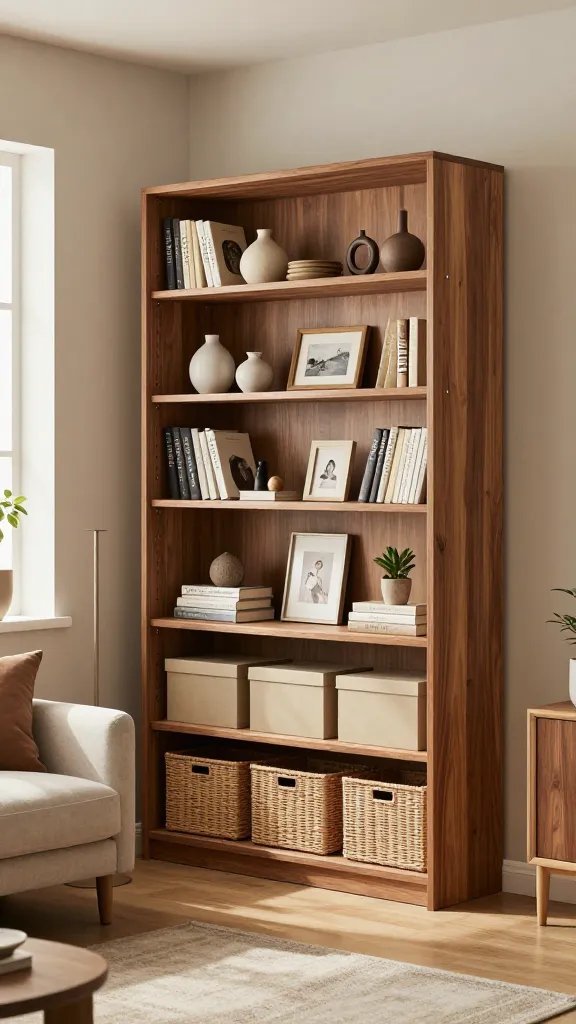
Install a tall shelf that reaches from floor to ceiling in the corner, leaving one side open to flow. Use the lower shelves for storage boxes and baskets and reserve the upper shelves for display items like books, vases, and keepsakes. This setup turns the corner into a vertical gallery and a storage spine for the room.
Why This Setup Works
Vertical shelving makes use of underutilized wall space and keeps frequently used items within reach. It also creates a dynamic focal point that adds personality without crowding surfaces elsewhere.
Color and Visual Balance
A combination of matte black metal and warm wood tones provides a contemporary look that reads as tidy. Leave some shelves with bare items and others with coordinated storage boxes to maintain rhythm.
Furniture and Layout Strategy
Ensure the bottom shelf is at a comfortable height for easy access, and leave the top shelves for lighter, decorative items. Use a single, cohesive color for the boxes to reduce visual chaos.
Smart Storage and Decor
Choose boxes with lids to conceal clutter and label the contents. Add a small floor lamp beside the shelf to illuminate the display and anchor the corner.
Budget-Friendly Organization Upgrade
Mix in secondhand shelves and repurpose vintage suitcases as stylish storage boxes. DIY label tags keep items identifiable without looking like a warehouse.
Functional Designer Insight
Be mindful of shelf depth; deeper shelves tempt you to store more and clutter the front edge. Keep frequently used items at the lower third for easy visibility and reach.
Best for corner zones that want a dynamic, curated display while maintaining practical storage.
7. Corner Floor Storage with Hidden Drawer
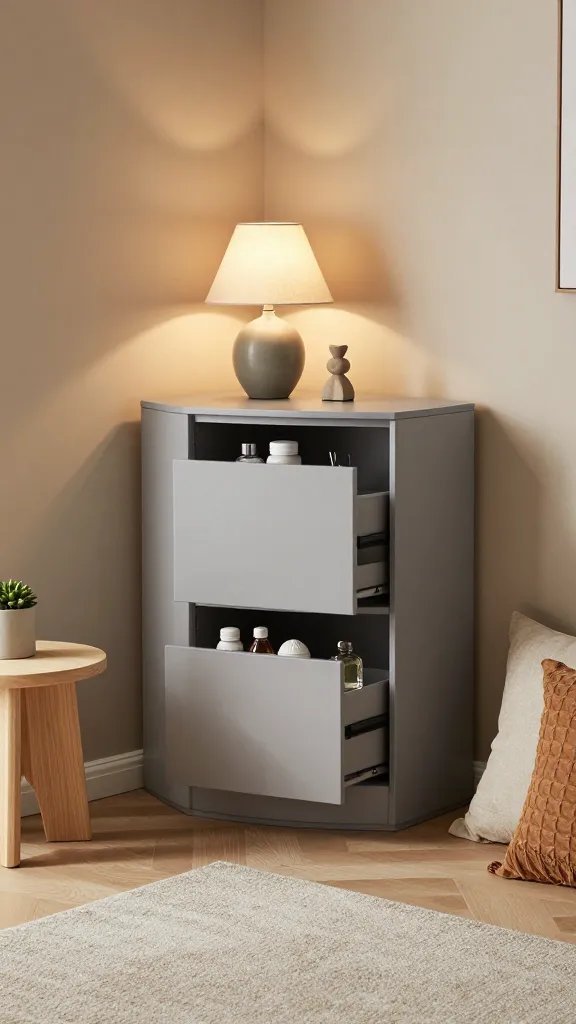
Use a rounded or curved cabinet that sits flush in the corner with a hidden drawer or pull-out tray inside. The top surface can host a lamp and a small sculpture, while the inside stores seasonal decor or jump-starts a cozy living room kit for guests.
Why This Setup Works
Hidden drawers provide a discreet home for seasonal items, game controllers, or small gadgets that tend to end up on surfaces. The outside stays clean and calm while you preserve easy access when needed.
Color and Visual Balance
Match the cabinet to the existing furniture color for a seamless feel, or select a slightly darker shade to create depth in the corner.
Furniture and Layout Strategy
Place the cabinet with its rounded edge toward the traffic path to invite access. Position it where it can be easily reached from the main seating area without blocking movement.
Smart Storage and Decor
Use the top as a landing pad for a tray with keys and a decorative bowl. Inside the drawer, consider dividers to separate remotes, cables, and small gadgets.
Budget-Friendly Organization Upgrade
Repurpose a mid-century cabinet you already own and add a magnetic strip inside the door for small metal items like keys and bottle openers.
Functional Designer Insight
Hidden storage reduces visual clutter dramatically; however, ensure you can actually access items without unstacking or moving heavier pieces.
Perfect for spaces where you want a compact storage solution that looks intentional and neat.
8. Corner Floating Shelf Gallery

Install a series of staggered floating shelves climbing the corner. Use the lower shelves for functional items that you reach daily and the upper shelves for decorative objects and light reading. The visual rhythm draws the eye upward and keeps surfaces clear elsewhere.
Why This Setup Works
Open display storage in a corner creates an intentional focal point while offering a place to showcase art and keeps other surfaces free of clutter.
Color and Visual Balance
Keep a cohesive color story with a mix of natural wood tones and whites. Add a few accent colors in small decor pieces to prevent a sterile look.
Furniture and Layout Strategy
Arrange shelves so items at eye level are easy to see and reach. Avoid overloading any shelf; breathe room between objects for a calm display.
Smart Storage and Decor
Use labeled baskets on lower shelves for cords or remote controls and add a couple of framed photos for warmth. Integrate a tiny LED light strip for gentle illumination at night.
Budget-Friendly Organization Upgrade
Use unfinished plywood cut to length, stained with a cheap finish, to create a custom feeling without a big price tag. Layer with existing books and trinkets you already own.
Functional Designer Insight
Vertical continuity from floor to ceiling helps the space feel taller and more cohesive. Keep the spacing between shelves generous to avoid a crowded look.
Ideal for collectors or display lovers who want a visually rich corner that still remains organized.
9. Corner Floor-Lave Console with Kick-Space Drawer
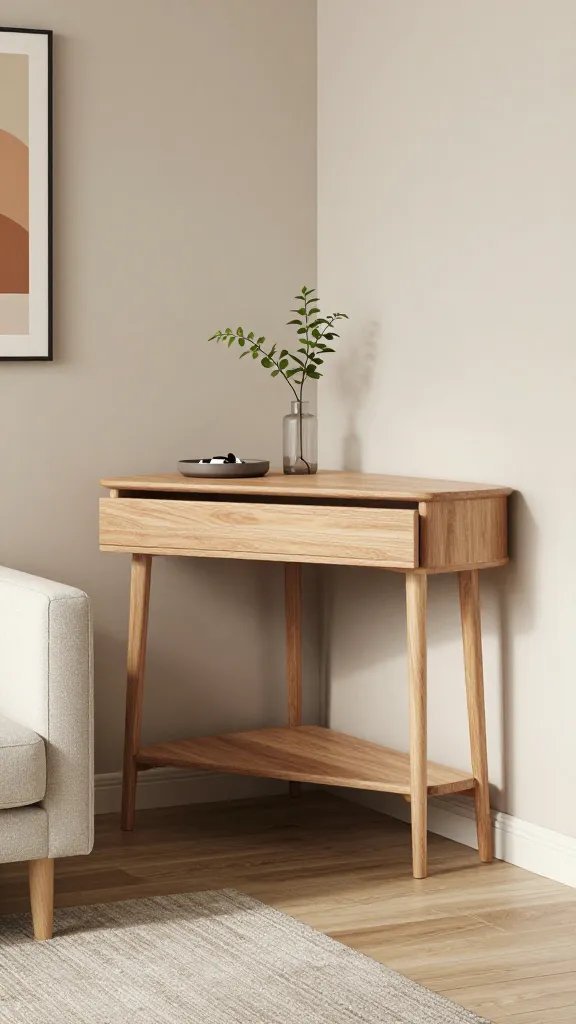
Design a narrow console that rests on slim legs and includes a long, shallow drawer for daily essentials. The kick space underneath keeps feet comfortable and easy to sweep, while the drawer keeps chargers, seasonal decor, and small gadgets tucked away.
Why This Setup Works
The long, shallow drawer reduces surface clutter and makes the corner feel like a purposeful extension of the living room rather than a catch-all space.
Color and Visual Balance
Choose a wrap or veneer that mirrors the room’s common finishes; a lighter top surface with darker legs adds a subtle contrast that reads modern without shouting.
Furniture and Layout Strategy
Position the console so it aligns with the seating line, not across it. The kick space drawer height should be comfortable for quick access without reaching over seating.
Smart Storage and Decor
Inside the drawer, use flexible organizers for cables, remotes, and small gadgets. Cap the surface with a small lamp and a plant to soften the look.
Budget-Friendly Organization Upgrade
Freshen an old console with matte paint and replace hardware with inexpensive knobs to modernize it without buying new furniture.
Functional Designer Insight
Keep the drawer depth modest to avoid items getting buried at the back. A shallow, long drawer is perfect for daily items you want to grab quickly.
Useful for tight corners where you want a slim storage surface and a functional drawer for daily odds and ends.
10. Corner Mirror and Storage Archway
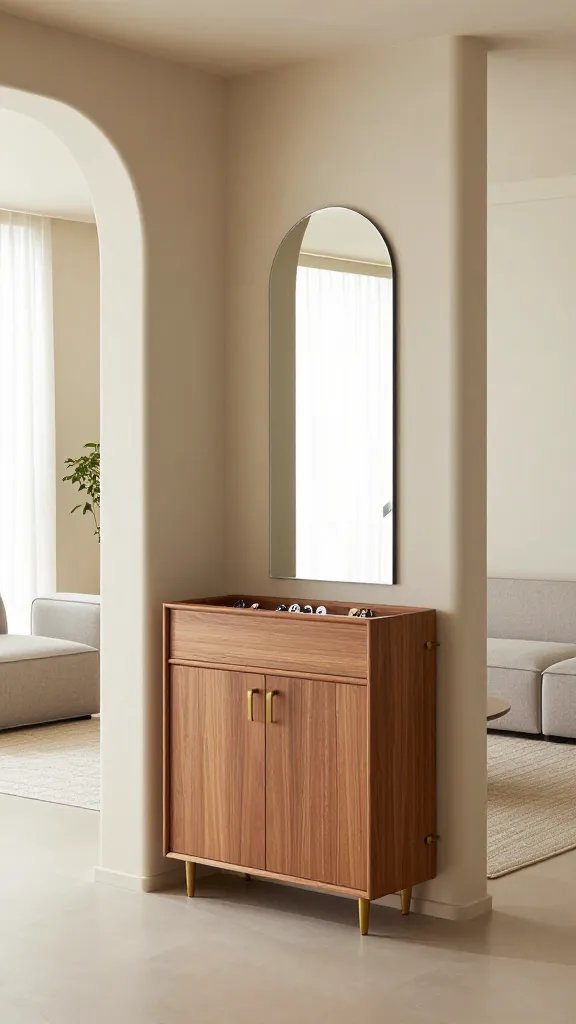
Turn the corner into a small, reflective alcove with a slim arch and a storage cabinet beneath, backed by a full-length mirror to reflect light. The mirrored surface visually expands the room while the cabinet stores keys, cables, and small gadgets out of sight.
Why This Setup Works
The mirror doubles the perceived space and brightens the room, while the storage cabinet handles everyday clutter. It’s a practical design trick that feels natural and elegant.
Color and Visual Balance
Keep the mirror frame and cabinet finish in a unified tone – black metal, brushed brass, or warm wood – to maintain a cohesive look with the rest of the room.
Furniture and Layout Strategy
The arch shape subtly marks the corner as its own zone, while the cabinet squarely fits beneath the mirror for solid balance.
Smart Storage and Decor
Use the cabinet interior for cords, chargers, and board games. The top can support a small vase and a candle, with the mirror doing the rest of the decorative work.
Budget-Friendly Organization Upgrade
Laminate the cabinet doors for a quick refresh or reuse a thrifted frame as the mirror with a DIY backing. You can achieve a high-end look with simple hardware and paint.
Functional Designer Insight
Mirrors should be placed to bounce light into seating zones. Don’t hide the corner inside a shadowy recess; keep it open and inviting.
Perfect for spaces that benefit from visual expansion and a tidy storage niche.
11. Corner Drop Zone with Wall Hooks and Slim Bench
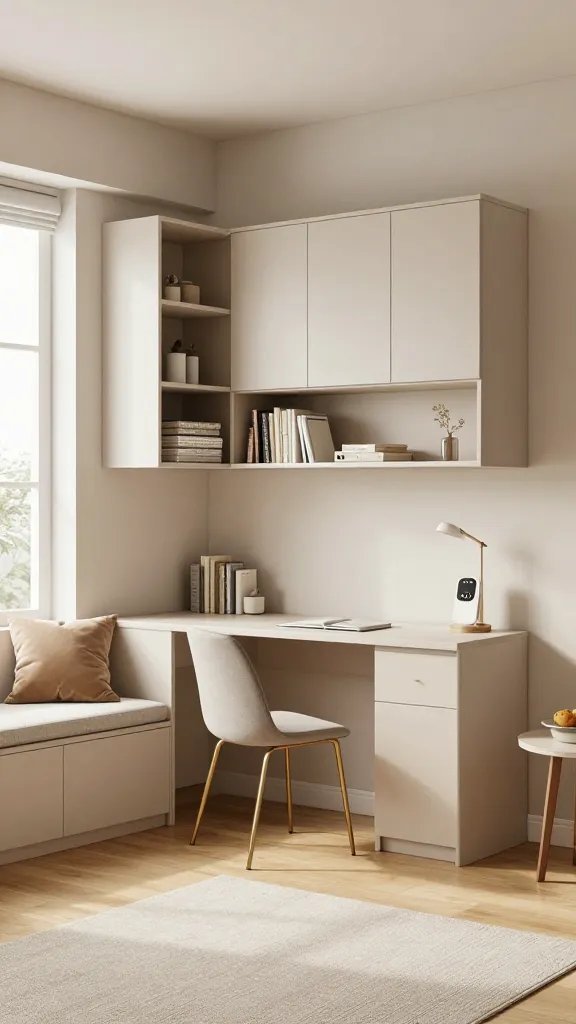
Create a drop zone where coats, bags, and daily items land as you enter the living room. Install a slim bench with a row of hooks above it and a small shelf for mail and keys. The setup keeps the entry accessible yet organized without dominating the space.
Why This Setup Works
A dedicated drop zone reduces the chance of coats and bags landing on sofas and tables. It centralizes daily items in one easy-to-reach place, improving overall organization in the room.
Color and Visual Balance
Use a calm, neutral palette for the bench and wall hooks to blend with the room. A natural wood bench with white hooks maintains a serene, cohesive vibe.
Furniture and Layout Strategy
Place hooks at a comfortable height and implement a narrow bench that doesn’t intrude on walkways. Ensure there is enough room for people to pass by without bumping into items.
Smart Storage and Decor
Under the bench, tuck labeled baskets for seasonal accessories or mail. A small framed mirror above the hooks can be both decorative and practical for quick checks before leaving the house.
Budget-Friendly Organization Upgrade
Use leftover wood or lightweight planks to craft a custom narrow shelf above the hooks for wallets and sunglasses. This approach keeps the look cohesive and saves money.
Functional Designer Insight
Keep daily items at arm’s reach but out of sight with the right size baskets. A rug under the drop zone helps define the area and reduces noise from foot traffic.
These eleven ideas show how a single empty corner can become a true living room asset. Each concept focuses on real, maintainable changes that balance function with beauty, so your space feels organized and still feels like home.
Common Mistakes With 11 Empty Corner in Living Room Ideas That Make the Space Useful
Adding Storage Without Removing Unneeded Items
It’s easy to add another container or shelf without purging. The result is more space taken up by items you no longer need, which creates a fresh kind of clutter. Fix it by routinely reassessing what actually belongs in the corner and removing items that aren’t used.
Keeping Everyday Items Too Hard to Reach
When you hide items too deeply or behind doors, they tend to stay misplaced. Improve accessibility by placing frequently used items in front within easy reach and using dividers to keep things organized.
Using Too Much Open Storage
Open shelves look light but can quickly become messy. Balance open storage with closed cabinets or baskets to hide clutter while keeping the display curated.
Ignoring Empty Vertical Space
Walls around the corner often stay bare. Use vertical storage or display elements that draw the eye upward, which helps the corner feel integrated rather than neglected.
Choosing Containers Before Measuring the Area
Containers without a plan can overwhelm a corner. Measure carefully, pick appropriately sized baskets and bins, and ensure they fit your actual space and routines.
Budget-Friendly 11 Empty Corner in Living Room Ideas That Make the Space Useful Tips
Reorganize What You Already Own First
Take stock of what you already have. Move and reconfigure before buying new storage pieces to see what genuinely improves the space.
Use Simple Hooks to Free Up Drawer Space
Install hooks on the inside of cabinet doors or on the wall to keep cords and small items organized, freeing up drawers for bigger items.
Turn Existing Furniture Into Double-Duty Storage
Look at furniture you already own and find ways to convert it into storage, such as adding baskets inside a console or repurposing a coffee table with hidden compartments.
Declutter Before You Organize
Clutter creates the illusion of more space than you actually have. Start by removing items you no longer use or need.
Paint or Refurbish Instead of Replacing
A fresh color or new hardware can make a big difference without the cost of new furniture.
Functional Designer Tips
Keep Daily Essentials Within Easy Reach
Place frequently used items at the front of shelves or in upper pockets of a cabinet so you can grab them quickly without digging.
Use Closed Storage for Visually Busy Items
Hide cables, remotes, and miscellaneous clutter behind doors or in bins to maintain a calm corner display.
Protect Clear Walking Paths Around Storage Pieces
Leave at least 36 inches of unobstructed space for comfortable movement around the corner storage so it does not feel cramped.
Incorporate Lighting That Elevates the Corner
Use a wall sconce or a slim table lamp to highlight the corner while keeping surfaces clear.
Plan Zoning That Supports Daily Habits
Define a small zone for reading, working, or relaxing, even within a single corner. A simple rug and color cues help separate zones visually.
FAQs About 11 Empty Corner in Living Room Ideas That Make the Space Useful
How do I choose the right corner storage without making the room feel crowded?
Assess how you actually use the corner and pick storage that blends with the room’s scale and color. Opt for low-profile pieces and use vertical storage to maximize height without widening the footprint.
What is the best way to balance open and closed storage in a corner?
Use a mix of closed cabinets for items you want hidden and open shelves for items you want on display. Keep top surfaces clear and only display a few curated items.
How can I make an empty corner feel larger?
Incorporate a mirror or reflective surface and choose light colors and slim furniture. Vertical storage draws the eye up, increasing perceived room height.
Should I invest in built-ins for an empty corner?
Built-ins can be worth it if the corner has enough width for a lasting impact and you want integrated storage. If not, modular pieces or freestanding furniture can achieve a similar effect with less commitment.
What is a simple first step to activate an empty corner?
Start with a small, low-profile unit like a narrow console with a hidden drawer or a couple of floating shelves paired with a single decorative item and a plant.
Final Thoughts Empty corner in living room ideas
Turning an empty corner into a functional area is a practical way to improve daily life without sacrificing style. Focus on real habits, keep the look calm, and ensure every piece has a home. The right combination of storage and placement makes the living room more usable and visually balanced.
Start small by choosing one corner and implementing a single, maintainable idea. Over time, you can layer in additional solutions as your routines evolve, always aiming for accessibility, easy put-back, and minimal visual clutter.
With thoughtful planning, the corner becomes a natural extension of everyday living rather than a neglected vacancy you barely notice.