
10 Small Bedroom Decor Ideas Indian Style for a Beautiful Tiny Room

As an Amazon Associate I earn from qualifying purchases.
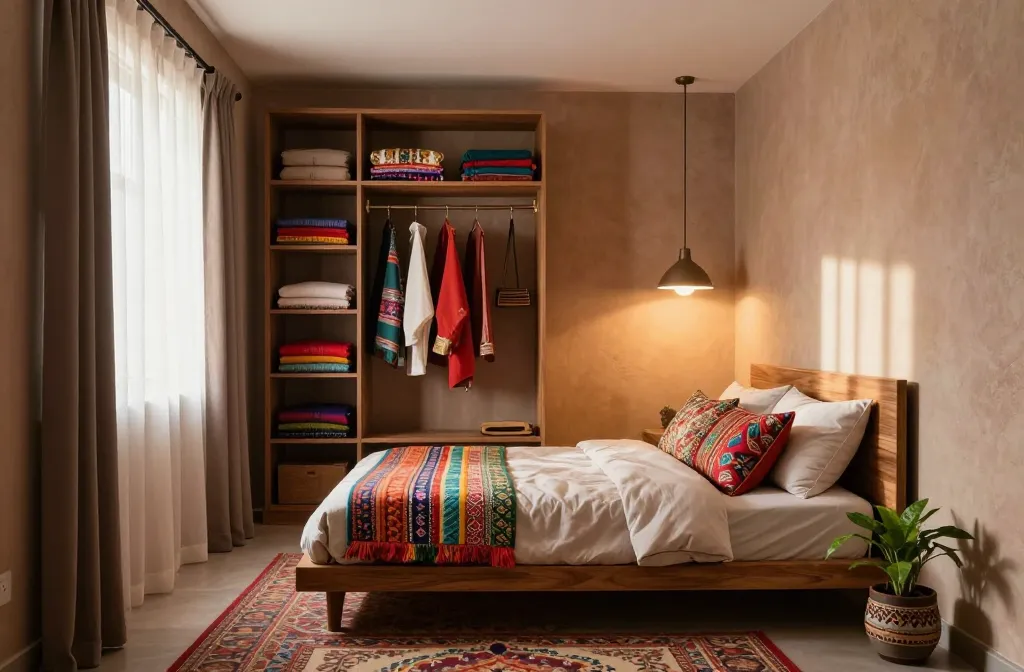
Indian-style bedrooms can feel warm, colorful, and full of character, even when space is limited. The right small bedroom decor ideas Indian can help you create a cozy room while making smart use of every corner.
Choose warm colors, wooden furniture, patterned bedding, and traditional accents to bring an Indian touch to the space. Mirrors, wall shelves, and multifunctional furniture can help save floor space and keep the room organized. Add elements such as cushions, woven baskets, artwork, plants, or simple decorative pieces to make the bedroom feel more personal.
This article features small bedroom decor ideas Indian that combine style, comfort, and practical design. These easy ideas can help you create a beautiful bedroom that feels cozy, organized, and inspired by Indian decor.
Why Small Bedroom Decor Ideas Indian Style for a Beautiful Tiny Room Works
Smart planning makes limited square footage feel more useful by prioritizing flow and purpose. When you scale furniture to fit the space and create clear sightlines, you gain open feel and easier movement. Vertical space becomes a hero instead of a hindrance, and color and lighting tricks help the room breathe. Storage that’s designed to blend with the decor keeps clutter out of sight while staying accessible for daily use. Readers can adapt these ideas to real Indian homes by mixing traditional textiles, warm woods, and modern silhouettes in a way that suits their layout and budget.
1. Corner Sleek Bed Nook with Built‑In Storage
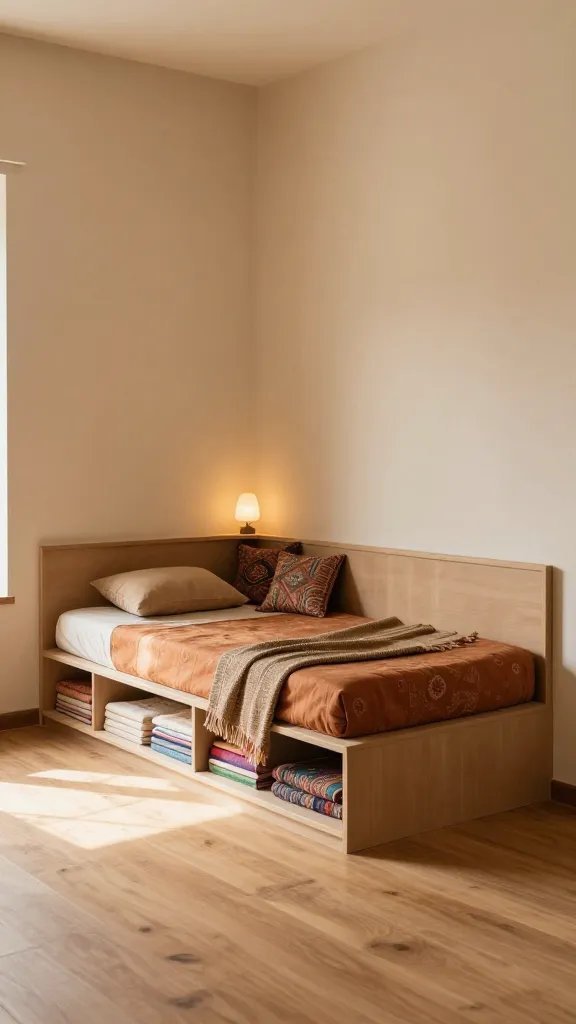
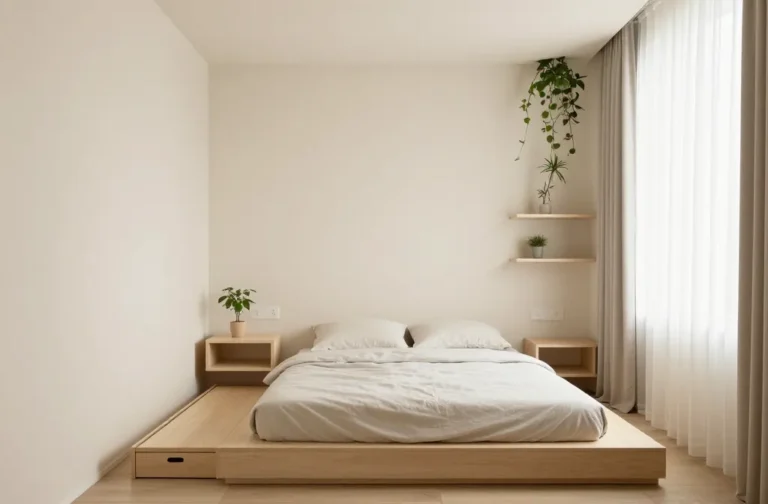
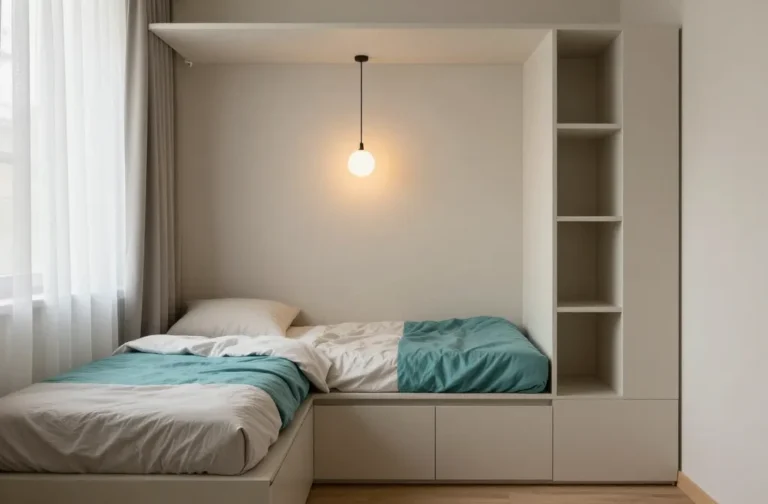
In a tiny bedroom, corners are gold. This concept frames a compact platform bed against a wall with a built‑in storage headboard that houses essentials, from extra linens to seasonal wear. The bed sits low to the floor to maximize ceiling height perception, and a slim bedside ledge doubles as a perch for a lamp and a few beloved objects in warm Indian textiles. The result is a calm, cohesive sleep zone that leaves more floor space open for movement.
Why This Layout Works
The bed becomes a focal point while occupying just one wall. Built‑in storage eliminates freestanding dressers, freeing precious floor space and reducing clutter. The low profile keeps sightlines open, which visually expands the room and prevents it from feeling boxed in.
Space-Expanding Color Palette
Soft neutrals with warm undertones form the base—creamy whites, sand, or pale beige—paired with accent colors drawn from Indian textiles like saffron, terracotta, or deep teal. This keeps the room feeling airy while the richer hues provide depth where you want it. A touch of metallic in fixtures adds a touch of elegance without overwhelming the space.
Space-Saving Furniture
A platform bed with a built‑in headboard cabinet offers vertical storage, while avoiding a bulky dresser. Add a narrow, wall‑mounted reading light and a small floating shelf for essentials, keeping the footprint minimal.
Storage and Decor Strategy
Choose closed storage behind the headboard to conceal linens and personal items. Decor can be kept in the vertical plane: a woven wall tapestry, a framed mirror, and a couple of plants tucked on a slim shelf to bring life without crowding the floor.
Budget-Friendly Space Upgrade
Modify an existing bed with a custom headboard panel that includes shallow built‑ins or fabric pockets. Repaint the room in a cohesive tone to unify the space and soften the look without major furniture changes.
Small-Space Designer Insight
Keep the bed aligned with the door sightline to create a welcoming approach. The vertical storage tailors the space to daily routines while maintaining open circulation around the bed.
This concept suits compact rooms where a strong, calm sleeping zone is the priority and you want to minimize furniture while maximizing storage in a single vertical unit.
2. Window‑Centered Dressing Wall
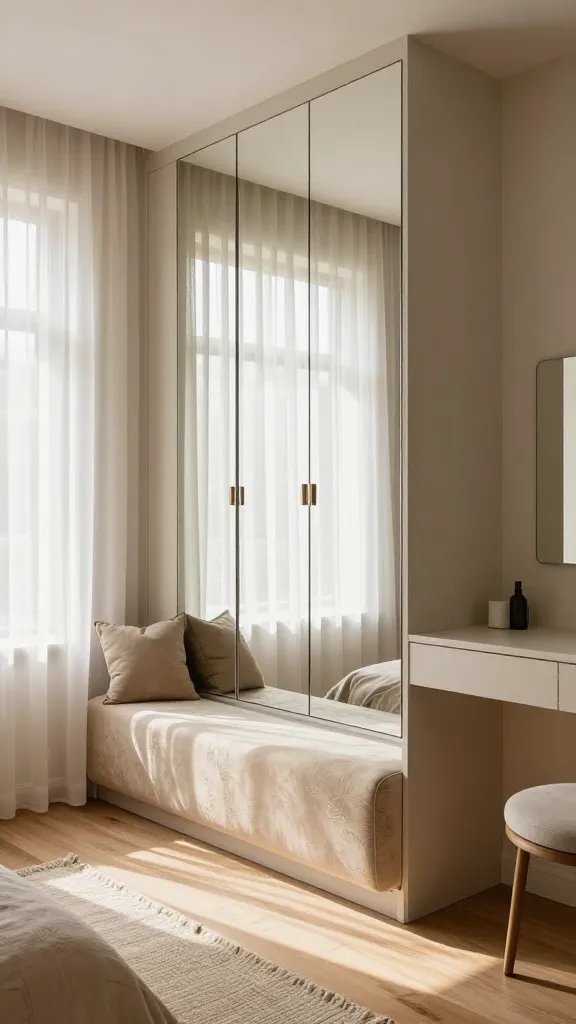
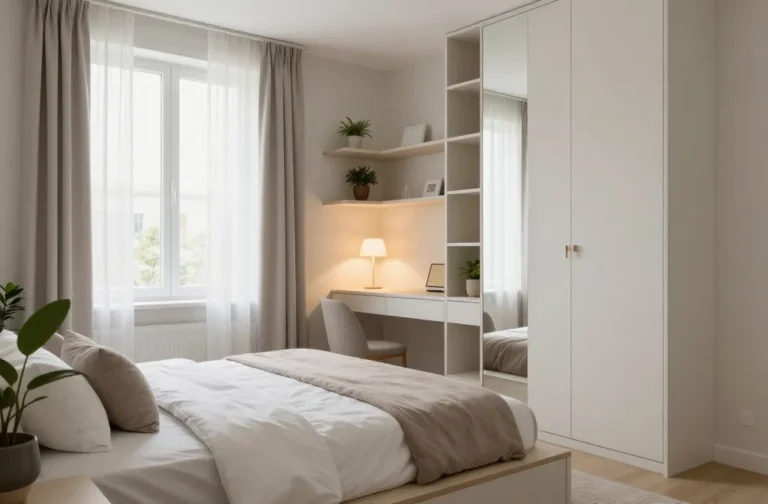
If natural light is precious in your tiny room, place your wardrobe where it can take advantage of the window’s light and avoid blocking it. A slim, floor‑to‑ceiling wardrobe with mirrored doors reflects daylight and visually doubles the space. Pair this with a narrow seating bench or ottoman that tucks under a console for a quick dressing nook without stealing area from the room.
Why This Layout Works
Centering the storage on the window wall creates a natural focal point and keeps traffic away from the bed. The mirror helps bounce light across the room, making it feel wider and brighter.
Space-Expanding Color Palette
Choose light warm neutrals with a touch of rich Indian color in textiles. The mirror reflects the color and light, so you can introduce bolder accents without dominating the space.
Space-Saving Furniture
A slim wardrobe with sliding doors and a bench that doubles as a seat and storage is ideal. Avoid heavy cabinets that saturate the room’s weight and opt for light wood tones or matte lacquer finishes.
Storage and Decor Strategy
Incorporate closed storage for clothes and a small open shelf for daily items. Use a wall mirror to capture light and create a sense of airflow. Add a potted plant to soften the line between window and storage.
Budget-Friendly Space Upgrade
Trade a larger traditional wardrobe for a modular, wall‑mounted system with a sliding door. You can upgrade with affordable vinyl wrap in a warm wood tone for an instant lift.
Small-Space Designer Insight
Let the wardrobe doors face the window or a stairwell to reflect light along the length of the room, visually expanding the entire footprint. This layout is ideal for rooms where storage is non‑negotiable but floor space must stay open.
This concept is perfect for rooms with a single large window where light and vertical storage can together transform the space into a bright, functional dressing zone.
3. Daybed Studio Zone with Floating Shelves
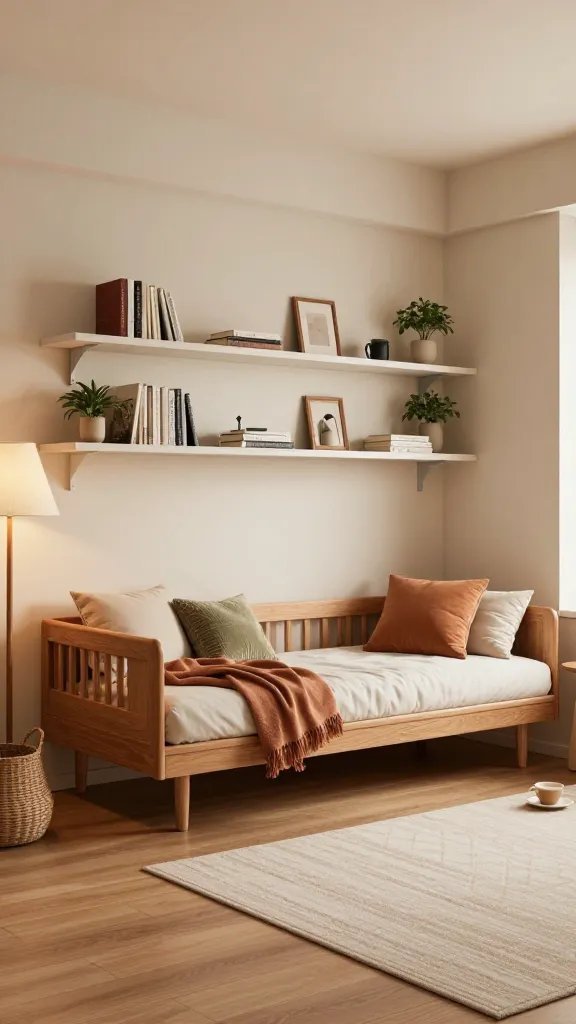
A daybed can serve as both seating and sleeping area in a small bedroom. Pair it with floating shelves above for a visual library and decorative display. Use soft textiles and warm wood for a comforting Indian vibe. This arrangement creates a cozy lounge mood during the day and a comfy bed at night without needing a separate sofa or bulky furniture.
Why This Layout Works
The daybed anchors a zone that doubles as seating and sleeping, reducing the need for multiple bulky pieces. Floating shelves keep the walls airy and provide storage and display without stealing floor space.
Space-Expanding Color Palette
Warm whites with terracotta and dusty rose accents keep the room inviting. A touch of brass or antiqued gold hardware adds character while maintaining a light feel.
Space-Saving Furniture
Choose a slim, low-profile daybed with a compact frame. Use wall-mounted shelves instead of a bookcase to conserve floor space.
Storage and Decor Strategy
Incorporate under‑daybed storage baskets and a small wall‑mounted cabinet for daily items. Decorative textiles such as a handloom throw and a kilim rug add texture without bulk.
Budget-Friendly Space Upgrade
Repurpose a guest sofa into a daybed with a simple mattress or cushions. Reface a wall with warm, patterned fabric panels to create a cozy, layered look.
Small-Space Designer Insight
Keep the daybed oriented to a focal wall or window to maintain a clear path around the room. The vertical display balances the seating area with visual weight above eye level.
This concept is ideal for multi‑purpose small rooms, where lounging, working, and sleeping share the same footprint in a calm and cohesive manner.
4. Prayer Corner with Storage Bench
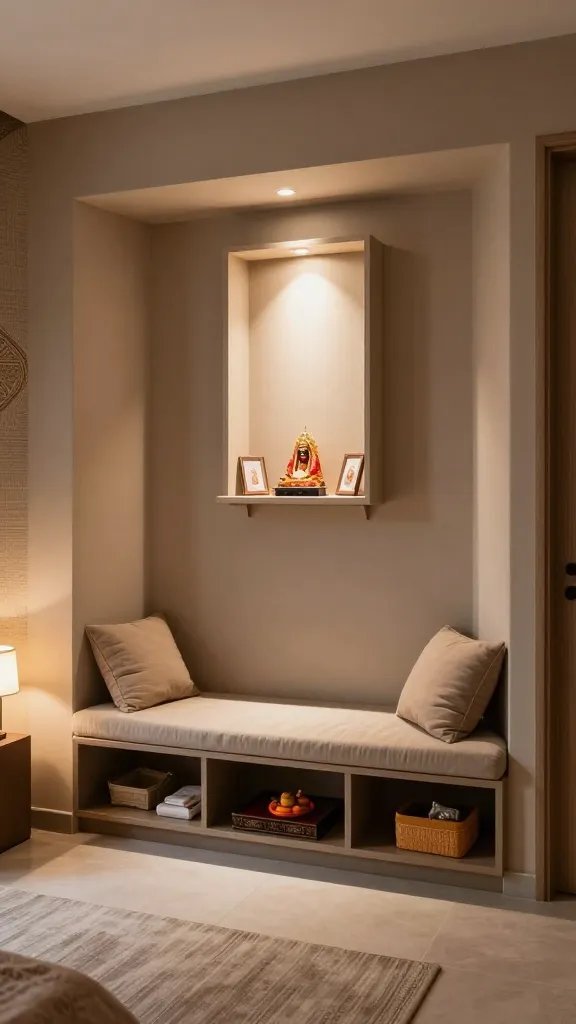
In Indian homes a small prayer nook can be a spiritual anchor without taking up much room. Create a low shrine area on a wall with a slim storage bench underneath for cushions, prayer items, and seasonal decor. Use a soft rug and gentle lighting to create a peaceful micro‑zone that feels architectural rather than cluttered.
Why This Layout Works
Zoning a dedicated corner avoids mixing clutter with sleeping or dressing areas. The compact storage bench tucks away goods and doubles as a seating option for reading or meditation.
Space-Expanding Color Palette
Earthy tones like terracotta, clay, and sage with a touch of saffron or emerald can create a serene, culturally rich atmosphere. Soft whites keep the space bright and calm.
Space-Saving Furniture
A low bench with concealed storage and a slim wall shelf above provides just enough surface for a few devotional items and a lamp.
Storage and Decor Strategy
Incorporate small baskets for prayer items, a dedicated tray for incense, and a minimal tapestry to add texture without crowding the eye.
Budget-Friendly Space Upgrade
Refinish or repaint a discarded bench to serve as a prayer storage unit. Use peel‑and‑stick wallpaper on the wall behind the shrine to create a gentle focal point.
Small-Space Designer Insight
Position the corner away from the bed’s primary sightline to keep the room feeling expansive. A single, bold textile can define the space without overwhelming it.
This concept suits small rooms that want a spiritual focal point without sacrificing flow or extra seating.
5. Modular Nook for Dressing and Desk
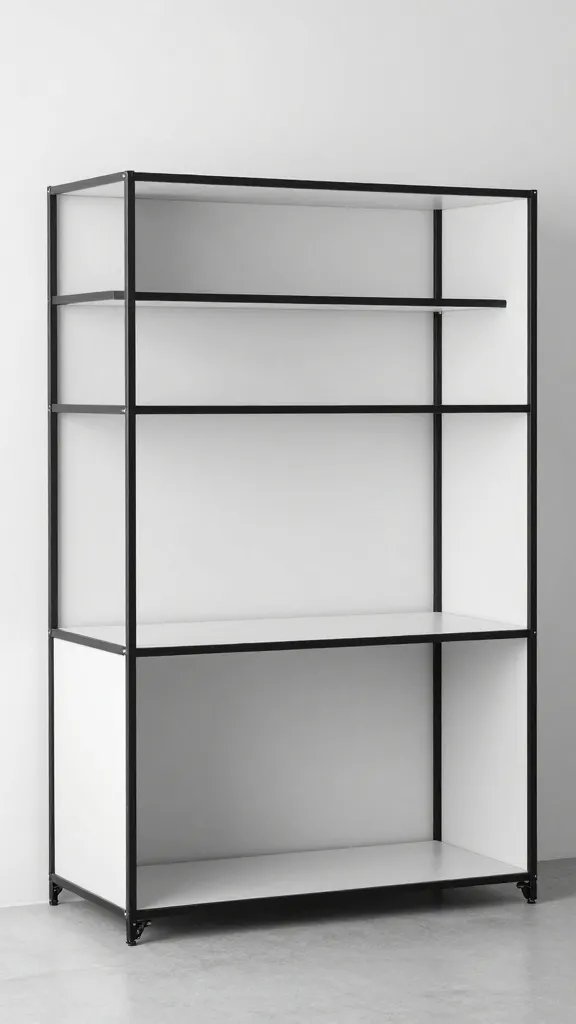
Turn a narrow wall into a modular dressing and desk zone. A compact desk folds against the wall, paired with a slim wardrobe and a small seating stool. Floating shelves above hold jewelry, accessories, and daily essentials. This zone stays tucked away when not in use and can double as a study or work area for a tiny home.
Why This Layout Works
Zoning the space into a dressing/desk area creates efficient use of height and surface area. A foldable desk keeps the area flexible and uncluttered when not in use.
Space-Expanding Color Palette
Opt for pale neutrals with accents in indigo, curry yellow, or moss green. The subtle color variation keeps the zone lively without feeling busy.
Space-Saving Furniture
A wall‑mounted fold‑out desk paired with a compact wardrobe and a slim stool creates a practical, tight footprint. Consider a stool that tucks completely under the desk when not in use.
Storage and Decor Strategy
Use small drawers within the desk and mounted hooks on the adjacent wall for accessories. A mirror on the side wall enhances light and depth.
Budget-Friendly Space Upgrade
DIY a slim wall panel with peg rails for jewelry and small accessories. Refinish existing furniture to keep costs low.
Small-Space Designer Insight
Keep sightlines clear from bed to desk to reduce perceived clutter. A cohesive color palette across the zone makes the room feel more expansive.
This concept is great for tiny bedrooms that must function as a study or work-from-home space without sacrificing sleep comfort.
6. Hallway-Led Entry to Sleep Zone
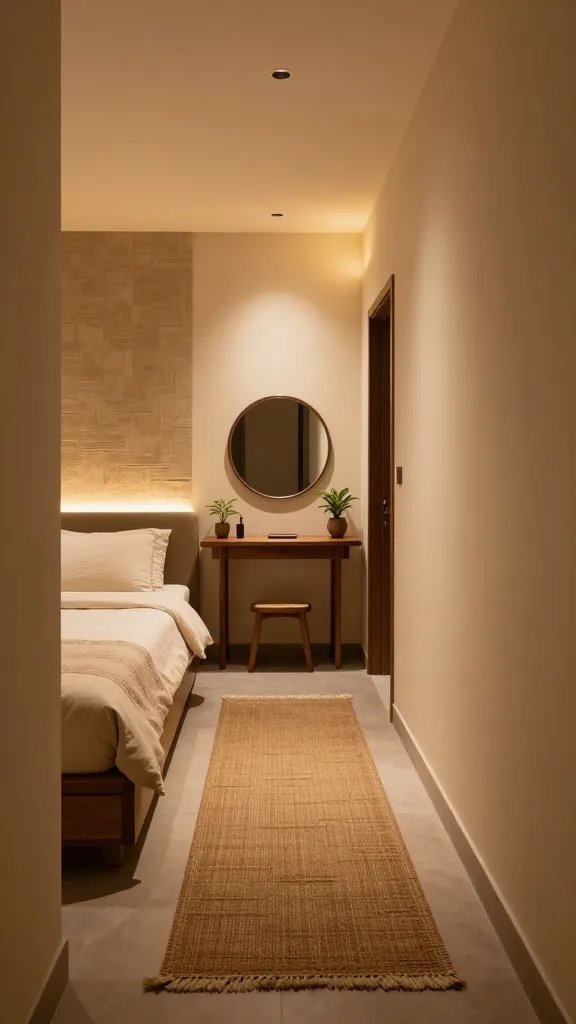
In narrow rooms, the bed can sit along a long wall while a softly lit hallway entry guides you into the sleeping area. A narrow console with a mirror and a couple of plants creates a gentle transition, while a delicate rug adds warmth without crowding the passage. This approach makes the room feel longer and more inviting rather than cramped.
Why This Layout Works
A defined entry path creates a visual cue that the space is you own sanctuary. The hallway effect expands the sense of length and keeps traffic away from the bed area.
Space-Expanding Color Palette
Use warm neutrals with a single accent color like teal or saffron in textiles and décor. The consistent palette simplifies the eye and makes the space feel open.
Space-Saving Furniture
A slim console and a cantilevered shelf avoid heavy furniture crowds. Choose a wall decal or a small gallery of frames to personalize the entry without using floor space.
Storage and Decor Strategy
Utilize narrow storage under the console and wall hooks for coats or bags. Light, leafy plants soften the entrance and welcome you to the sleeping zone.
Budget-Friendly Space Upgrade
Install a simple, inexpensive corner shelf and hang a lightweight mirror on the wall to bounce light. A budget rug can define the path without dominating the floor.
Small-Space Designer Insight
Keep the entry side visually lighter than the bed side to draw the eye into depth. This approach helps a very small room feel longer and more purposeful.
This concept suits long, narrow rooms that benefit from a strong entry cue and a clear sleep zone beyond a slim corridor.
7. Lofted Storage Above the Bed
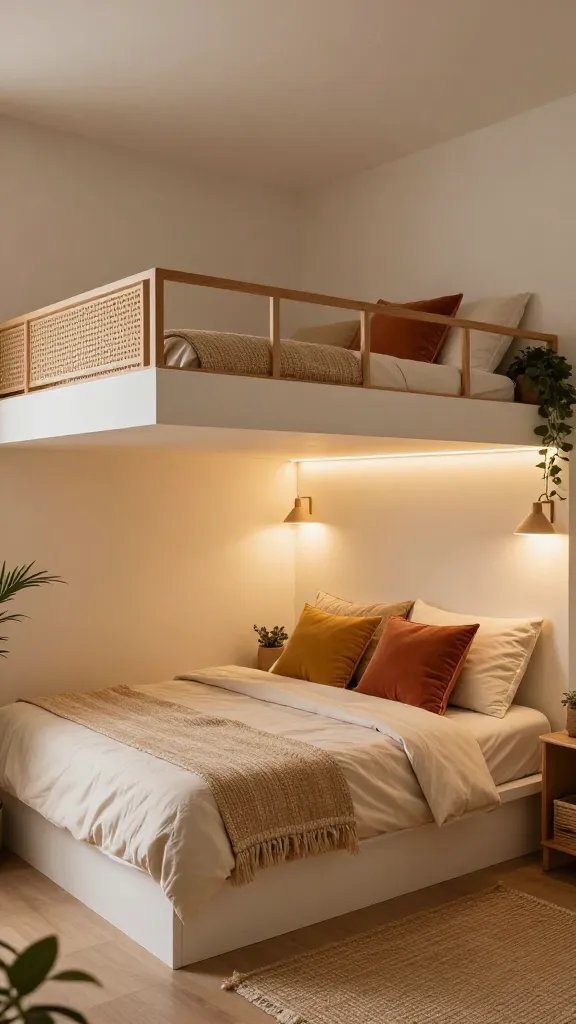
If ceiling height allows, create a lofted storage area above the bed. A simple platform with a low profile on the floor below acts as a bed base while a shelf above the headboard stores seasonal items. Use soft textiles and warm lighting to keep the space feeling intimate rather than industrial.
Why This Layout Works
Raising storage above the bed frees the floor for movement and creates a visual airiness. The loft implicitly divides space between rest and storage without adding bulky furniture.
Space-Expanding Color Palette
Muted earthy tones with a pop of accent color in textiles ensures the loft feels cohesive with the rest of the room. White or light walls help reflect light from the bed area into the lower zone.
Space-Saving Furniture
The bed remains low and uncluttered while the loft shelf holds items tidy and out of reach, reducing the chance of clutter at eye level.
Storage and Decor Strategy
Utilize woven baskets and labeled boxes on the loft shelf for easy access. Add a small reading light to the bed side for nighttime reading.
Budget-Friendly Space Upgrade
Repurpose an unused cabinet as a loft railing or create a faux loft with a shallow shelf and fabric curtains for a soft boundary.
Small-Space Designer Insight
Keep the loft line visually light by using open shelves instead of dense cabinetry. This design suits rooms with higher ceilings where a loft can comfortably sit above the bed area.
This concept is ideal for teens or guests rooms that need smart storage without sacrificing sleep comfort or floor space.
8. Dual-Function Sofa Bed with Hidden Drawers
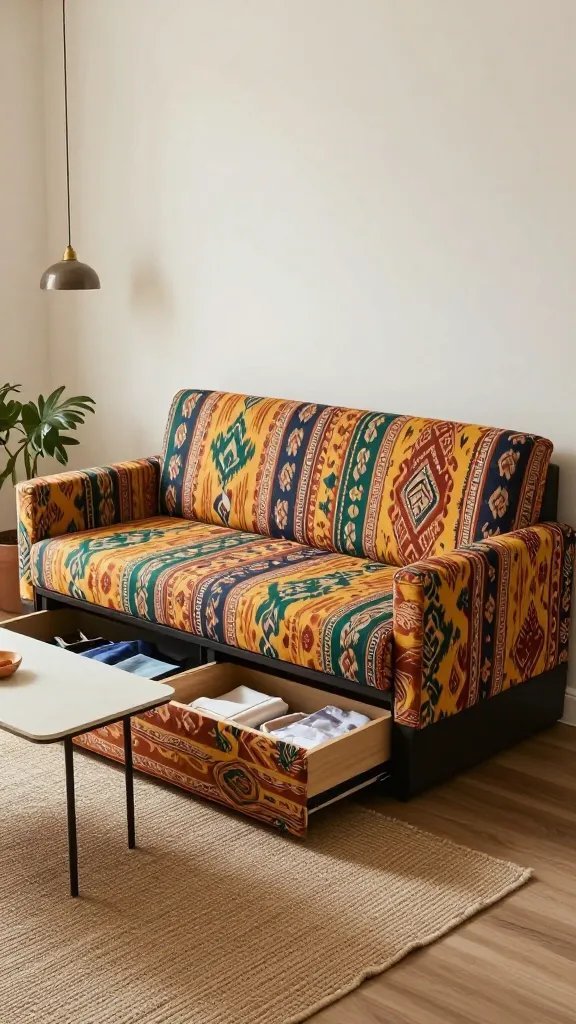
A compact sofa bed with integrated drawers under the seat area provides seating by day and a bed by night, along with hidden storage for linens and small items. Choose a fabric with Indian textile inspiration and pair with a small coffee table that tucks away when not in use. This approach keeps the room flexible for living, working, and sleeping.
Why This Layout Works
A dual‑function sofa bed reduces furniture count while maintaining comfort and function. Hidden drawers keep the room organized and visually calm.
Space-Expanding Color Palette
Use a soft base with a single bold accent—perhaps indigo or marigold—in cushions and throws to add life without overwhelming the space.
Space-Saving Furniture
A slim sofa with hidden storage under the seat and a small folding table that can be stowed away helps to maximize floor area.
Storage and Decor Strategy
Include a slim wall shelf above the sofa for daily items and a mirror opposite to amplify light. A plant adds a living touch without clutter.
Budget-Friendly Space Upgrade
Choose a modular sofa with a cover you can refresh using affordable upholstery dye or a new throw blanket for seasonal change.
Small-Space Designer Insight
Focus on proportion: the sofa should be shallow in depth and not block sightlines from the doorway. This keeps the room feeling open yet comfortable for lounging.
This concept is perfect for micro living rooms that double as bedrooms where you need both seating and sleeping without overwhelming the space.
9. Light-Washed Cashmere Bedroom with Vertical Textiles
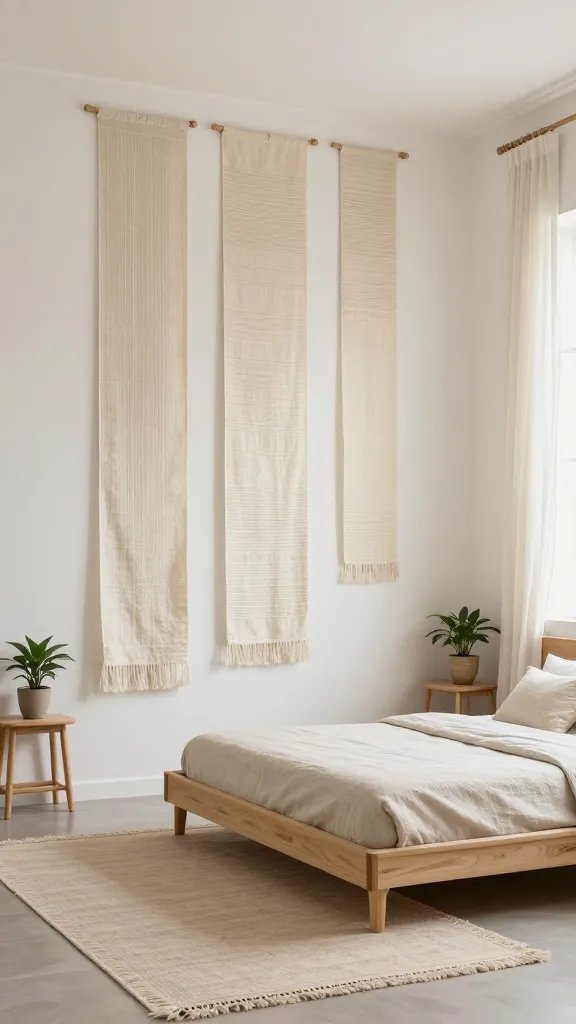
Light wood furniture and airy fabrics keep the room feeling breezy. Use tall, narrow textiles such as vertical runners and wall hangings to draw the eye upward, creating an illusion of height. A soft fringe rug and a couple of potted plants bring in warmth and life without crowding the floor.
Why This Layout Works
Vertical textiles add height perception, while light wood and fabrics avoid visual heaviness. The rug anchors the space and defines the bed zone while keeping flow unobstructed.
Space-Expanding Color Palette
Choose a cool base like off-white or pale ivory with warm accents in peach, rose, and terracotta. A touch of muted blue adds calm to the palette.
Space-Saving Furniture
Opt for a bed with a slim profile and select dressers with shallow depth. Use tall, slender nightstands to save floor space.
Storage and Decor Strategy
Incorporate one or two woven baskets under the bed or on a narrow shelf. Hang a lightweight tapestry near the bed to emphasize height and texture.
Budget-Friendly Space Upgrade
Refresh textiles with affordable dye or fabric covers. Swap out a heavy curtain for a lighter linen or cotton option to let more light filter through.
Small-Space Designer Insight
Let vertical elements stretch the eye upward, balancing a small floor footprint with tall, clean lines. This concept works well in rooms with modest ceiling heights.
This concept suits small rooms where daylight travels across the walls and you want a serene, airy feel with a touch of traditional textile influence.
10. Wall-Integrated Daybed with Accent Wall
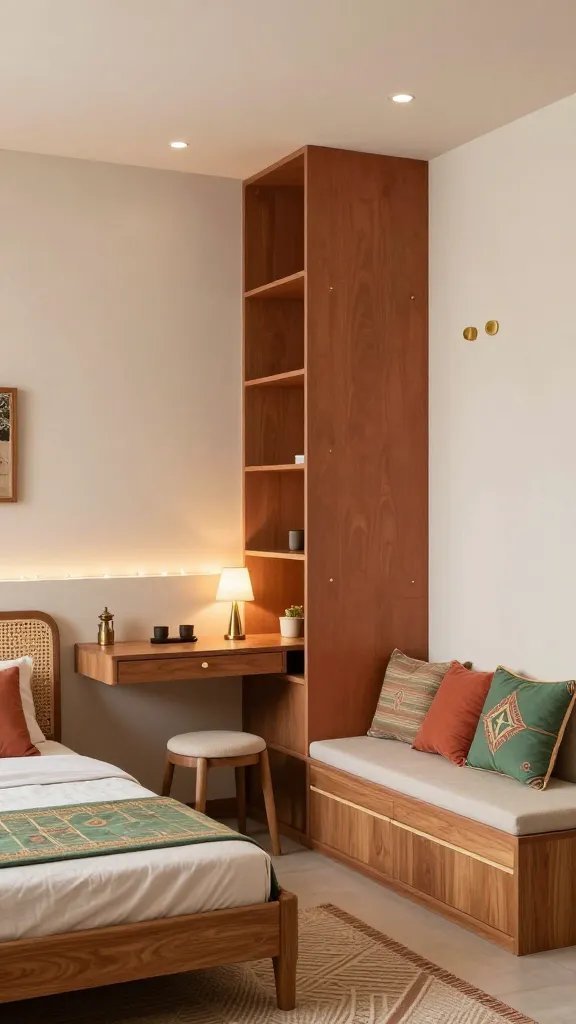
Make a wall feature the focal point by building a slim daybed into an accent wall. The wall behind the bed can be clad in warm wood or a soft, textured fabric panel. Add a narrow ledge for a few cherished items and a hidden garden of small plants that bring nature indoors. This configuration makes the room feel layered and sophisticated while keeping the floor free.
Why This Layout Works
The integrated wall creates a distinct zone without extra bulk. The accent wall adds personality and depth while the daybed offers a flexible seating/sleeping option.
Space-Expanding Color Palette
Warm neutrals with a bold accent color on the wall, such as a muted terracotta or sage green, provide a grounded yet refreshing feel. The color direction should be cohesive with Indian textile accents.
Space-Saving Furniture
Use a slim, low-profile daybed that sits flush with the wall. A narrow shelf runs along the edge of the bed for small items and a light on the headboard provides task lighting.
Storage and Decor Strategy
Incorporate a hidden storage compartment within the daybed base and a couple of floating shelves above the bed for keepsakes. A tall plant on the side adds life without crowding.
Budget-Friendly Space Upgrade
Panel a section of the wall with removable fabric panels or peel-and-stick wallpaper to create the accent wall without committing to expensive materials. Reuse a lightweight bookshelf as a narrow bedside shelf if needed.
Small-Space Designer Insight
Ensure the daybed aligns with the doorway and maintains a direct line of sight to keep the room feeling open. This concept works well for studio apartments where every inch counts.
This final concept is ideal for rooms that want a strong architectural feel with a flexible, comfortable sleeping area that remains visually light.
Ideas to Try Next
11 White Room Decor Bedroom Small Spaces Ideas for a Bright
10 Small Bedroom Decor Ideas for Women That Feel Chic and Cozy You’Ll Love
12 Cute Bedroom Decor Ideas for Small Spaces You’Ll Want to Copy
21 Cozy Small Bedroom Decor Ideas That Feel Warm Without Feeling Crowded: Tiny Space Glow
19 Teen Bedroom Decor Ideas for Small Rooms That Feel Fun and Personal: Tiny Space, Big Vibes
12 Small Bedroom Decor on a Budget Ideas That Look Surprisingly Stylish
Common Mistakes With Small Bedroom Decor Ideas Indian Style for a Beautiful Tiny Room
Overloading with too many statement pieces
When a tiny room has several loud furniture items or textiles, it can feel chaotic and crowded. This makes the space appear smaller and visually exhausting. Fix it by choosing one bold focal piece and balancing with simpler, cohesive textiles and furniture in complementary tones.
Blocking natural light or traffic flow
Heavy drapes or oversized storage near windows can block light and create a tunnel feeling. Keep window openings clear and use light window coverings to preserve light and movement.
Ignoring vertical space
Without vertical strategy the room can look flat. Add vertical storage, tall mirrors, and wall-mounted options to draw the eye upward and create depth.
Too many open shelves and visible clutter
Open shelving is beautiful but can become clutter if not curated. Mix open and closed storage and keep items tucked away in stylish baskets or boxes.
Mismatch of scale and proportion
Heavy furniture in a small space can overwhelm. Choose pieces with a lighter silhouette and shallower depth to maintain balance and flow.
Budget-Friendly Small-Space Decor Tips
Rearrange Before You Buy Anything New
Experiment with different furniture layouts using the pieces you already own to maximize floor space before purchasing new items.
Take Simple Storage Up the Wall
Install wall-mounted cabinets or floating shelves to store items vertically, keeping the floor area open for movement.
Use One Large Mirror Instead of Several Small Accents
A single well-placed mirror can reflect light and create the illusion of a larger space without visual clutter.
Paint an Accent Wall Instead of Replacing Furniture
Choose a warm, rich color or a traditional textile-inspired pattern on one wall to anchor the room and add depth at a lower cost than new furniture.
Opt for Multi-Functional Flooring Rugs
A larger rug with a simple pattern can unify the space and define zones without multiplying decorative objects.
Small-Space Designer Tips
Protect the Main Walking Path
Leave a clear path from door to bed and storage, ensuring a natural flow and reducing the sense of confinement.
Match Furniture Depth to the Available Floor Space
Choose furniture with a depth that fits the room without protruding into walkways. This keeps the room comfortable and navigable.
Use Vertical Lines to Draw the Eye Upward
Vertical elements like tall shelves, curtains, or a long headboard help the eye travel upward, making the room feel taller.
Lighting Layering for Depth
Combine ambient, task, and accent lighting to create zones and add warmth. A warm glow can make the room feel more expansive than bright, cold lighting.
Color Continuity Across Surfaces
Maintain a consistent color story from walls to textiles to furniture to avoid visual chaos and make the space feel larger.
FAQs About Small Bedroom Decor Ideas Indian Style for a Beautiful Tiny Room
How can I make a tiny bedroom feel larger without moving walls?
Focus on light, color, and scale. Use light wall colors with warm accents, opt for low-profile furniture, add mirrors to reflect light, and keep floor space clear with smart storage.
What is the best way to place a bed in a small Indian bedroom?
Place the bed along a main wall with enough clearance on both sides for easy access. If possible, align it with a window or a focal wall to anchor the room and keep sightlines open.
Which colors work best in small spaces with Indian decor?
Warm neutrals with rich textile accents like saffron, terracotta, and teal typically work well. They create warmth without making the space feel heavy and crowded.
How can I store clothes in a tiny room without a bulky dresser?
Opt for a slim, wall-mounted wardrobe or a bed with built‑in drawers, and use tall, narrow storage solutions that maximize vertical space.
What lighting strategies help small bedrooms feel airy?
Use layered lighting—ambient plus task lighting and a gentle accent light. A floor lamp near the seating or bed and soft overhead lighting can make the room feel brighter and more open.
Are mirrors essential in tiny Indian bedrooms?
Mirrors are helpful but not mandatory. Use one well-placed mirror to reflect light and create depth, but avoid overcrowding with too many reflective surfaces.
How can I maintain style while keeping the space uncluttered?
Limit the number of textiles and decorative pieces and choose pieces that serve more than one function. Keep a consistent color palette to unify the room.
Final Thoughts small bedroom decor ideas indian
The main small-space lesson is that in a tiny bedroom, smart zoning, careful scale, and light play together to unlock comfort and beauty. By treating the room as a cohesive mini‑suite rather than a collection of random pieces, you preserve movement, warmth, and personality without sacrificing function.

One Comment