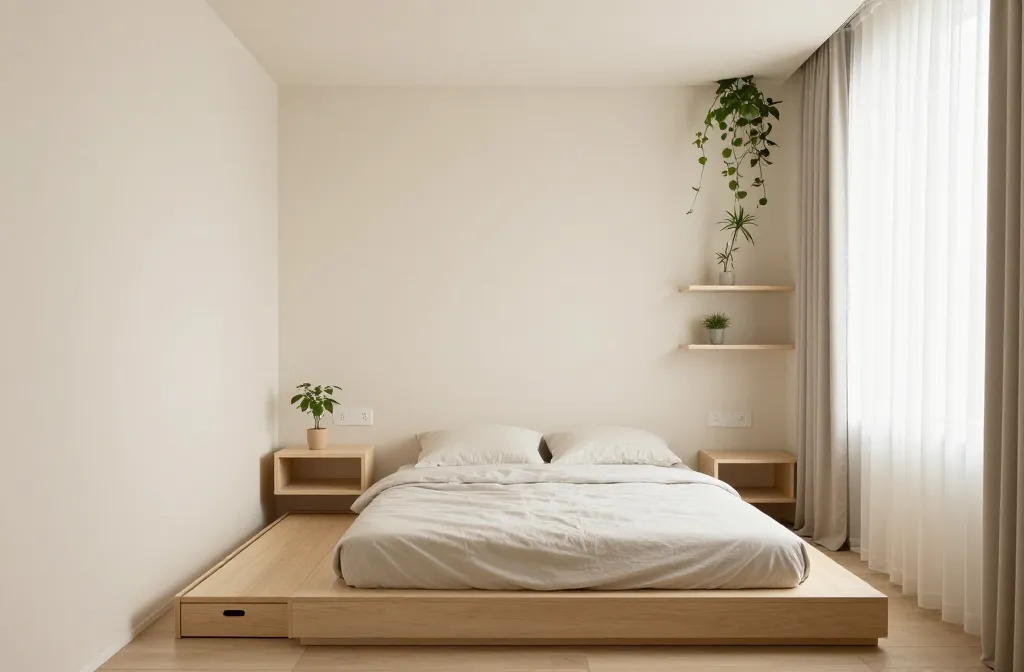
10 Very Small Bedroom Decor Ideas That Make Every Inch Work for You

As an Amazon Associate I earn from qualifying purchases.
A very small bedroom can still feel comfortable, stylish, and inviting with the right design choices. Very small bedroom decor is all about using limited space wisely while keeping the room open and clutter-free.
Choose compact furniture that fits the room without making it feel crowded. Light colors, mirrors, and soft lighting can make the space look brighter and more spacious. Use wall shelves, floating nightstands, and under-bed storage to keep everyday items organized. Cozy bedding, simple artwork, and a few decorative accents can add personality without taking up too much space.
This article shares practical very small bedroom decor ideas that are easy to try. These simple tips can help you create a cozy, organized, and stylish bedroom, even when space is limited.
Why Small Bedroom Decor Ideas Work
Smart planning makes limited square footage feel more useful because it emphasizes a clear flow and purposeful zones. When furniture is scaled to the room and arranged with sightlines in mind, movement stays easy and unblocked. Vertical elements draw the eye upward, which visually expands ceilings and cabinets alike, while light and color choice can trick the brain into perceiving more air and less clutter. Storage should support the design rather than overwhelm it, keeping surfaces clean and the room breathable.
1. The Bed-as-Anchor With Hidden Weekday Storage
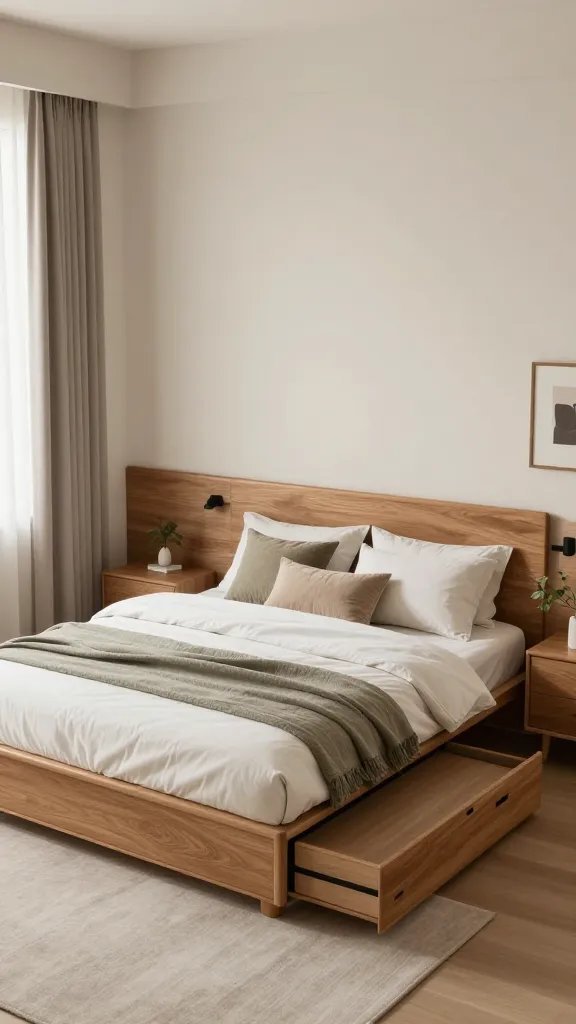
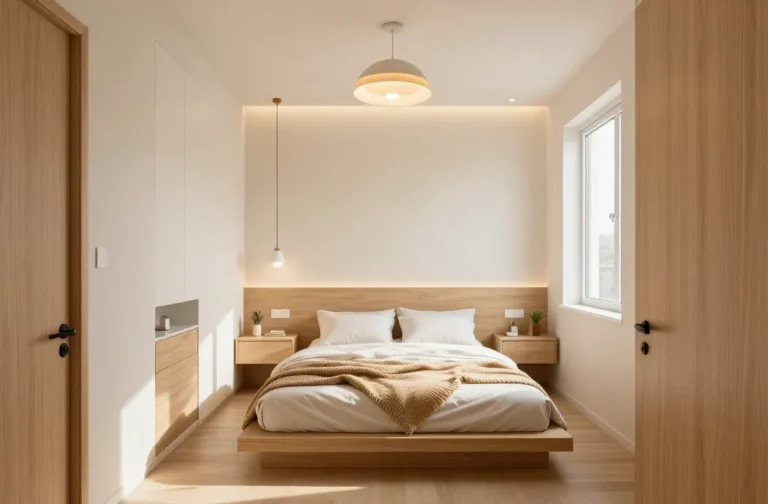
In a very small bedroom the bed often becomes the visual anchor. Instead of fighting for floor space under the mattress, this concept uses a low-profile platform bed with built-in drawers or a storage headboard. The bed remains the focal point, but the under-bed or headboard storage pulls daily clutter out of sight while preserving floor space for movement and a sense of calm.
Why This Layout Works
By keeping the bed low and centered, you preserve clear circulation paths and maintain a strong focal point. The integrated storage reduces reliance on freestanding dressers, which can crowd a tiny room. A symmetrical arrangement around the bed also helps create a balanced, tranquil mood.
Space-Expanding Color Palette
Choose a light base for walls and a slightly warmer hue for the bed and bedding to create a gentle, grounded contrast. If you want depth, introduce a single accent color in a soft texture, such as a rug or a throw, rather than across multiple elements. This keeps the room feeling airy while giving the bed area a cozy anchor.
Space-Saving Furniture
Opt for a platform bed with integrated drawers or a headboard with flat, shallow cubbies. Choose a slim bedside table or wall-mounted sconce to avoid crowding. If possible, select a dresser that fits flush against a wall with minimal protrusion.
Storage and Decor Strategy
Hide the majority of clothing and bulky items in bed storage and ceiling-to-floor built-ins if available. Use floating shelves above the dresser for slim decorative touches and to keep the floor clear. Mirrors in the room reflect light and expand perceived space.
- Vertical storage in a tall, slim wardrobe if closet space is limited
- Under-bed baskets for out-of-season items
- Textured textiles to add warmth without bulk
Budget-Friendly Space Upgrade
Rearrange your current furniture to place the bed against the longest wall and add a shallow under-bed storage bin with a lid. If built-ins aren’t possible, a modular wall-mounted cabinet with drawers can replicate the effect at low cost.
Small-Space Designer Insight
Keep sightlines clean by avoiding tall, heavy furniture directly opposite the bed. This helps your brain read more open space. The concept suits small bedrooms with modest closet space or awkward wall recesses where free-standing dressers feel dominant.
2. Floating Nightstands And A Wall-Mashed Desk Nook
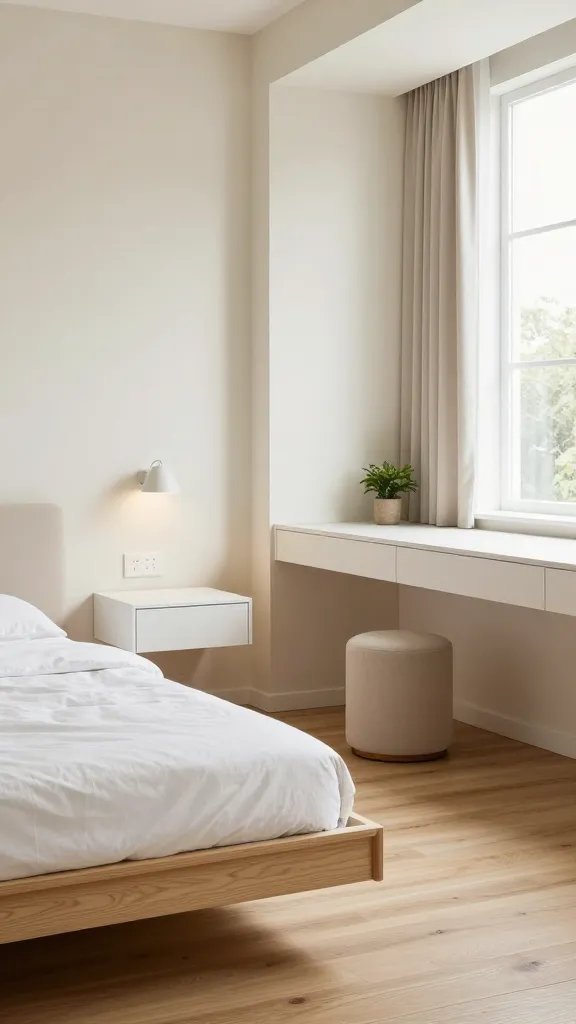
When floor space is precious, floating furniture becomes a quiet hero. A pair of slim floating nightstands or a single wall-mounted desk with open space beneath makes the room feel lighter. The idea is to create essential height, storage and a place to work without sacrificing floor area.
Why This Layout Works
Floating pieces reduce visual weight and open up the floor, which improves movement. A desk nook near a window creates a practical dual zone for work and rest, without overcrowding the room.
Space-Expanding Color Palette
Use a cool neutral for walls and warmer accents on the floating pieces to create subtle separation without heavy blocks of color. A pale blue or sage green on the walls can feel expansive when paired with clean white furniture.
Space-Saving Furniture
Pick slim, wall-mounted desks and petite nightstands with one drawer. Ensure there is clearance for chair space and that cords are tucked away behind the desk.
Storage and Decor Strategy
Install a narrow wall shelf above the desk for quick-access essentials. A wall-hung cork board or magnetic strip can organize notes and jewelry, keeping surfaces tidy.
- Integrate a slim towel rack or hooks on the back of the door for weekend outfits
- Add a shallow, decorative tray to corral small items
Budget-Friendly Space Upgrade
Repurpose an underutilized bookshelf as a floating desk with brackets and a cut-to-size tabletop. A wall-mounted shelf doubles as a display area while saving floor space.
Small-Space Designer Insight
Prioritize vertical alignment for light sources to draw the eye upward and maintain a sense of airiness. This concept suits narrow rooms and awkward nooks where a traditional desk would feel heavy.
3. A Corner Sofa Bed For Flexibility
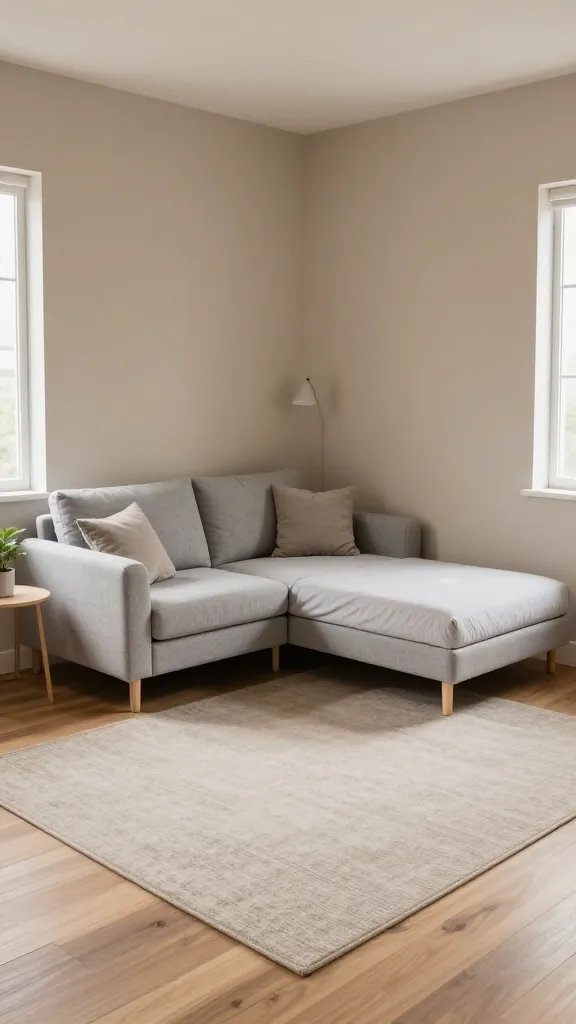
Small rooms don’t have to be one-function spaces. A compact corner sofa bed turns a narrow living area into a flexible bedroom on demand. This design uses a smart L-shaped seating unit that doubles as a night setup, allowing happy hours on one side and a sleeping surface on the other without heavy conversions.
Why This Layout Works
Corner placement creates a natural flow, maximizing floor space in the center of the room. It also enables a clean separation between sleeping and lounging zones, which is essential in compact suites or studio apartments.
Space-Expanding Color Palette
Choose a mid-tone base and add crisp white cushions or a pale accent hue to keep the space feeling open. A single bold color on one throw or pillow can highlight the sofa without overwhelming the room.
Space-Saving Furniture
Invest in a compact corner sofa with a slim profile and reversible back cushions that convert to a bed. Look for a model with built-in storage under the seat or behind a panel.
Storage and Decor Strategy
Use a slim, wall-mounted unit or floating shelf above the sofa for small decor and essentials. A floor lamp with a slim silhouette provides ambient lighting without taking up space.
- Keep a narrow rolling cart for bedside essentials
Budget-Friendly Space Upgrade
Reupholster or re-cover a small corner sofa with a lighter fabric to refresh the room. Add a simple, inexpensive plastic storage bin behind the sofa for seasonal items.
Small-Space Designer Insight
Scale is key; if the sofa feels too bulky, swap it for a smaller armchair arrangement with a compact table. This layout works best in narrow rooms with a good amount of natural light.
4. A Tall Wardrobe As A Visual Divider
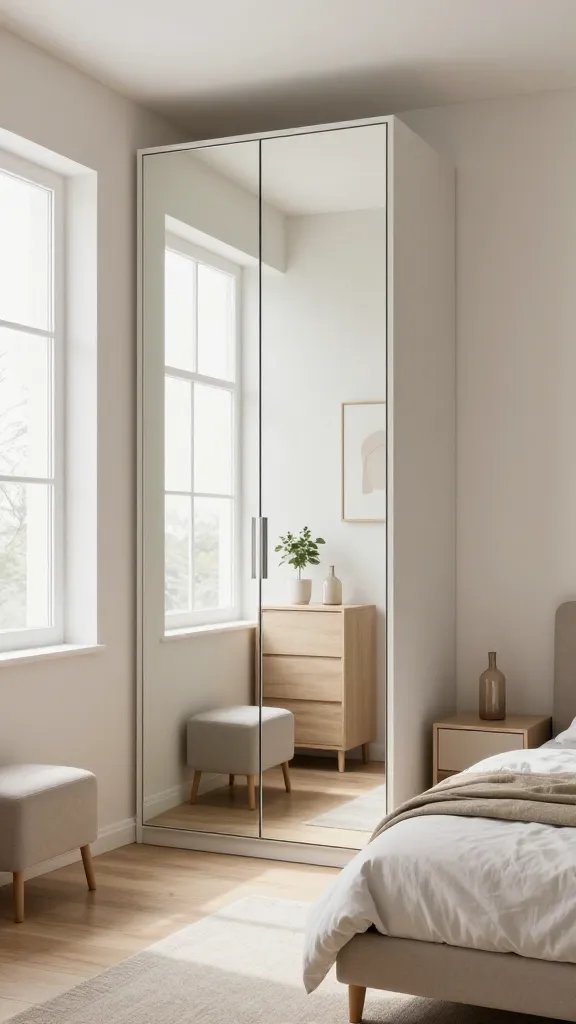
In tight bedrooms, a tall wardrobe can act as a visual divider that creates two distinct zones: storage and sleeping. Choose a wardrobe with a slim depth and mirrored doors to bounce light and increase perceived space. Position it along the window wall to avoid blocking natural light and sightlines.
Why This Layout Works
A tall wardrobe both contains your wardrobe and visually expands the room by reflecting light. It creates a gentle boundary between sleeping space and dressing area without the heaviness of a full dresser wall.
Space-Expanding Color Palette
Keep the wardrobe color aligned with the wall color or with a slightly lighter shade to blend with the space. A touch of warmth in hardware or mirror frame adds depth without overpowering the room.
Space-Saving Furniture
Choose a wardrobe with sliding doors to avoid space needed for doors to swing open. A shallow depth allows more floor space for movement and rugs.
Storage and Decor Strategy
Install small vertical dividers inside the wardrobe for organization. A slim bench with concealed storage at the foot of the bed can hide shoes and accessories while giving seating.
- Use a wall mirror adjacent to the wardrobe to amplify light
Budget-Friendly Space Upgrade
Refinish a pre-owned wardrobe with a fresh coat of paint and new hardware. This cheap update can dramatically improve perception and longevity.
Small-Space Designer Insight
Mirror placement matters. Position mirrors to reflect natural light and to visually expand sightlines toward the bed. This concept suits rooms with small windows and narrow walls.
5. The Window Wall Nook
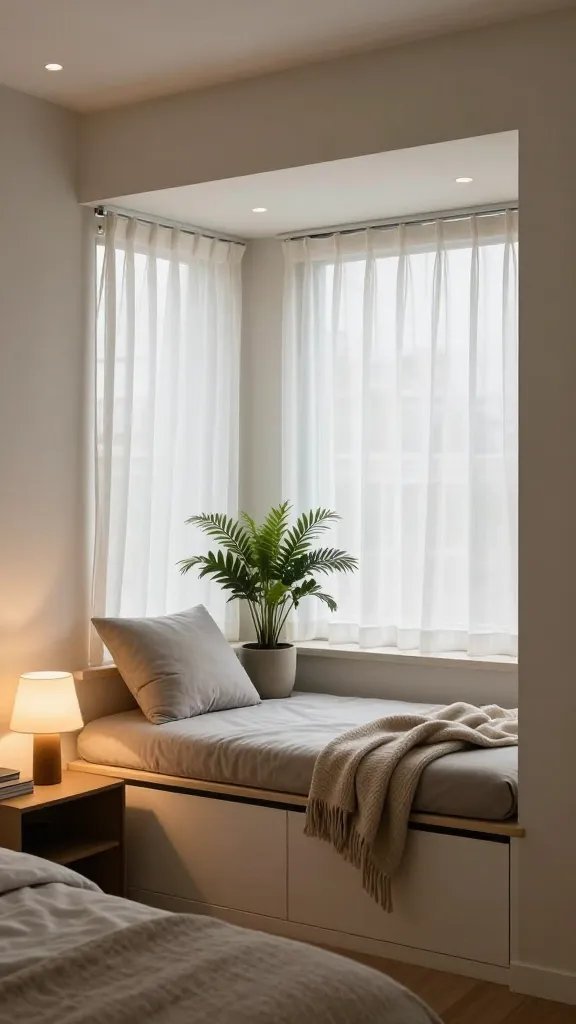
Create a cozy reading aesthetic by turning a window wall into a dedicated relaxation nook. A slim window seat with cushion and hidden storage beneath becomes a retreat without stealing floor space. Layer soft lighting, a small plant, and a throw to finish the look.
Why This Layout Works
A window wall is already a light and focal point. A built-in seat makes use of a typically underutilized area and aligns perfectly with the room’s architecture to enhance depth and warmth.
Space-Expanding Color Palette
Opt for light, warm neutrals on walls and seat cushions. Add a couple of textiles in a complementary hue to bring depth without crowding the space.
Space-Saving Furniture
A shallow window seat with hinged storage preserves floor space and keeps the room feeling open. Use a bench with a slim profile so the leg room remains clear.
Storage and Decor Strategy
Hidden storage under the seat keeps the area tidy. A small wall-mounted lamp or sconce on either side of the seat keeps hands free and eyes comfortable.
- Display a small plant and a book stack for a lived-in vibe
Budget-Friendly Space Upgrade
Use a ready-made window-seat cushion and add hinged storage lids. You can also repurpose a shallow, long bench with a new cushion and a few cushions to unify the look.
Small-Space Designer Insight
Balance proportion between light and dark textiles to keep the space from feeling heavy. This layout suits rooms with a sunny window that invites a cozy, bright reading corner.
6. Floor-To-Ceiling Shelving That Feels Light
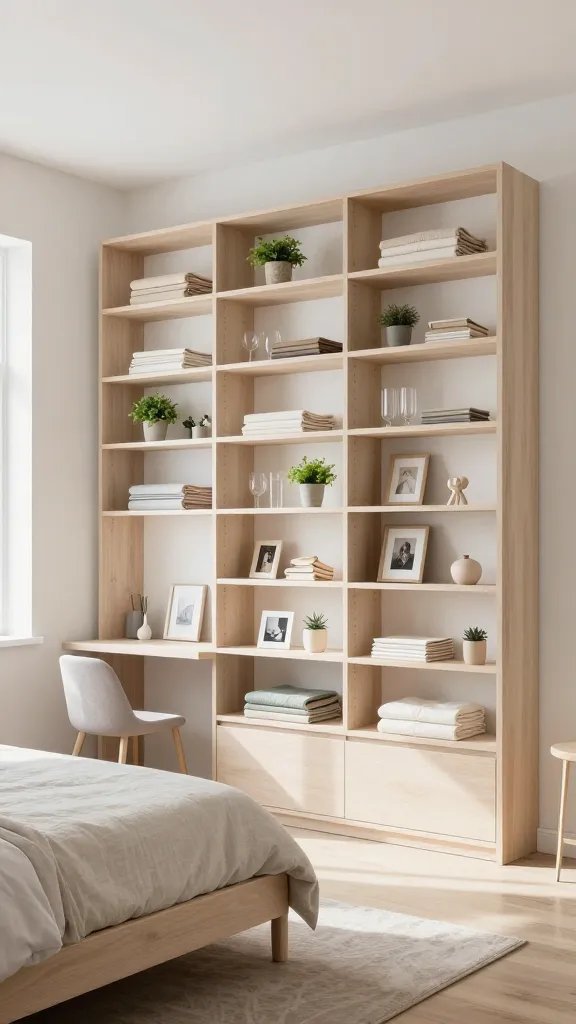
Floor-to-ceiling shelving can stretch a small room visually and add abundant storage. Keep open shelving lightweight with slim boards, and reserve closed storage for bulk items. A carefully curated display can feel like a boutique, not a storage closet.
Why This Layout Works
Vertical shelving draws the eye upward, creating an illusion of more height and breadth. It also concentrates storage in one tall unit, freeing floor space and simplifying organization.
Space-Expanding Color Palette
Let the shelves carry accents that echo the room’s main color family. Use lighter backing on shelves to reflect light and keep the space feeling airy.
Space-Saving Furniture
Choose slim, modular shelves with adjustable heights. Use a matching ladder or stepped step stool for reach without compromising style.
Storage and Decor Strategy
Group like items by color or purpose on open shelves to reduce visual clutter. Use baskets or boxes with lids to hide smaller items while maintaining a curated look.
- Integrate a small woven rug to soften the base line
Budget-Friendly Space Upgrade
Paint the back panel of existing shelves with a fresh bright color to brighten the corners without buying new units. Add inexpensive metal brackets for extra support and a modern feel.
Small-Space Designer Insight
Keep the lowest shelf at chest height or slightly above to avoid a visual cut-off near the floor. This helps maintain a seamless vertical flow that reads as taller than it is.
7. The Mirror Wall For Light And Depth
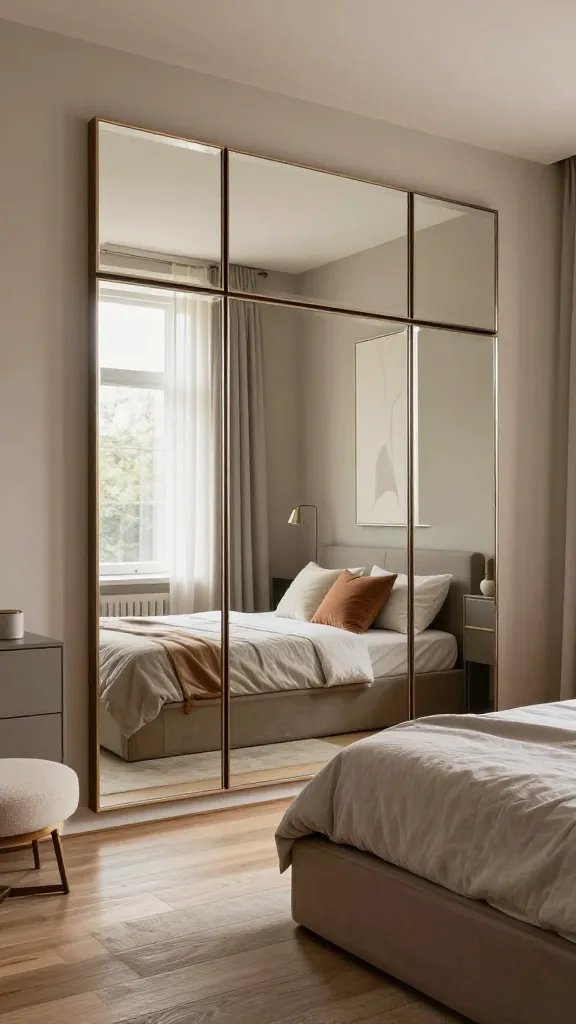
A wall dedicated to mirrors can bounce natural light around and visually expand the room. Choose a large, frameless mirror or a set of mirrors arranged to maximize reflection. Pair with soft neutrals and warm accents to avoid sterile vibes.
Why This Layout Works
Mirrors multiply light and create an impression of extra space. A wall of mirrors can serve as a focal point while reducing the sense of confinement in a small bedroom.
Space-Expanding Color Palette
Lean toward warm neutrals with metallic accents that catch light in the mirrored surfaces. Keep the surrounding wall color light to maintain the illusion of depth.
Space-Saving Furniture
Use a slim bed with minimal boards and avoid heavy furniture that competes with the reflective wall. A narrow console against the mirror can hold essentials without crowding the room.
Storage and Decor Strategy
Opt for decorative trays and small organizers on the console, ensuring cords and accessories stay tidy behind the scenes. A plant in the corner adds life and breaks the cold reflection.
- Use a hanging wardrobe mirror to layer reflections throughout the space
Budget-Friendly Space Upgrade
Update a dated wall mirror with a new frame or install a large removable wall mirror panel. This provides a quick, dramatic lift without a full redecorating budget.
Small-Space Designer Insight
Position the mirror to reflect a window or a well-lit area to maximize brightness. This concept suits rooms with limited natural light that would otherwise feel dim.
8. Ceiling-Mounted Lighting For A Taller Feel
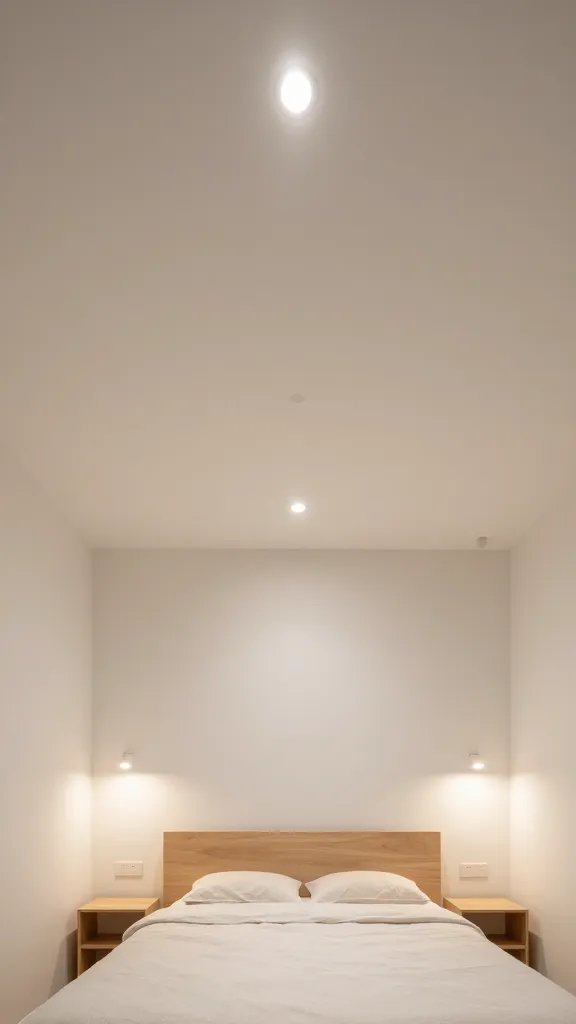
In small bedrooms, lighting can make a dramatic difference. Use ceiling-mounted fixtures with semi-flush designs and incorporate a few wall sconces to create layered lighting. The aim is to keep surfaces clear and the ceiling visually higher by eliminating clutter around lamps.
Why This Layout Works
A layered lighting scheme creates depth and prevents harsh shadows. Combined with a crisp ceiling, it makes the room feel taller and more open.
Space-Expanding Color Palette
Neutral walls illuminated with warm-tinted bulbs optimize perception of space. A touch of color in textiles harmonizes with the lighting tones without overpowering the room.
Space-Saving Furniture
Minimize bulky floor lamps and choose wall-mounted fixtures to keep surfaces and floor clear.
Storage and Decor Strategy
Keep cords hidden behind architectural features or cable channels for a clean look. Use candle-style bulbs to soften the vibe and preserve a calm bedroom environment.
- Install a dimmer switch to adjust mood without changing the fixtures
Budget-Friendly Space Upgrade
Swap a heavy ceiling fixture for a lighter, more open design and add a couple of wall sconces for balanced illumination. This small change can dramatically alter the space’s feel.
Small-Space Designer Insight
Lighting should be layered and gentle. Avoid one overpowering light that creates glare and highlights clutter in corners.
9. The Minimalist Dresser Wall With Floating Shelves
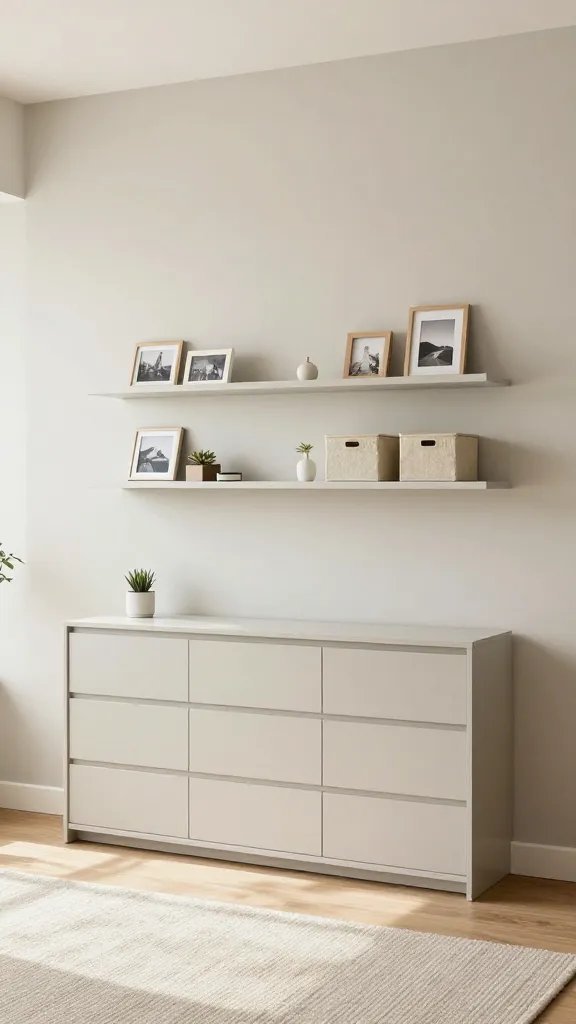
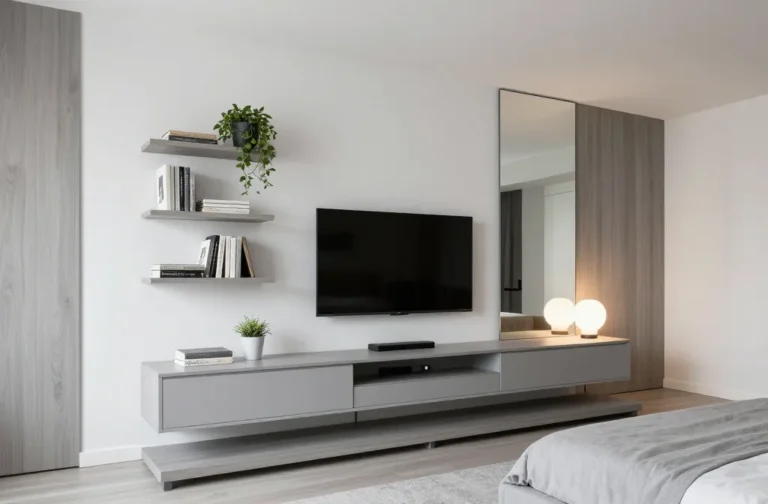
A single dresser wall with floating shelves keeps essentials close at hand but visually slim. The shelves provide display space for personal pieces, while the dresser stores clothes behind closed doors, keeping the room calm and organized.
Why This Layout Works
The combination of a slim dresser and floating shelves lowers visual bulk while still delivering needed storage. It creates a clean, curated look that feels breathable.
Space-Expanding Color Palette
Use pale neutrals as a base with a slightly warmer wood tone for the dresser and shelves. Small pops of color in decor accessories can anchor the wall without appearing busy.
Space-Saving Furniture
Choose a shallow dresser and slim, long floating shelves. Ensure shelf depth aligns with the dresser width for a cohesive line.
Storage and Decor Strategy
Place decorative baskets on the top shelf for lightweight storage and add a mirror or a framed artwork nearby to reflect more light and interest.
- Keep surfaces uncluttered by limiting decor to a few personal pieces
Budget-Friendly Space Upgrade
DIY floating shelves with inexpensive brackets and stained plywood can achieve a high-end look at a fraction of the cost. Paint the dresser to match or complement the shelves for a unified feel.
Small-Space Designer Insight
Proportion matters: ensure the dresser is about two thirds the width of the wall and that shelves are arranged with balanced spacing to avoid a top-heavy look.
10. Hidden Bed Nook With Sliding Panels
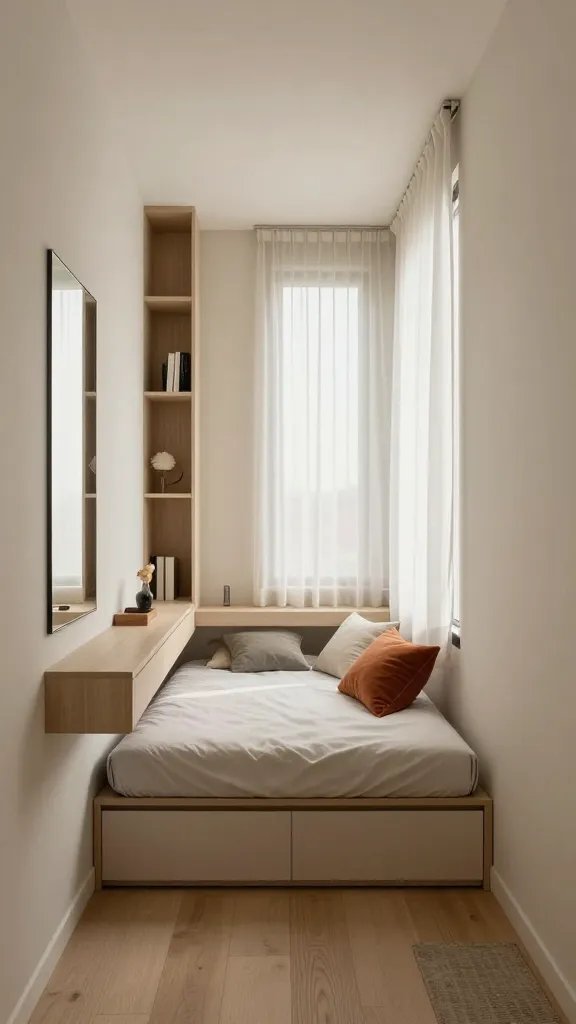
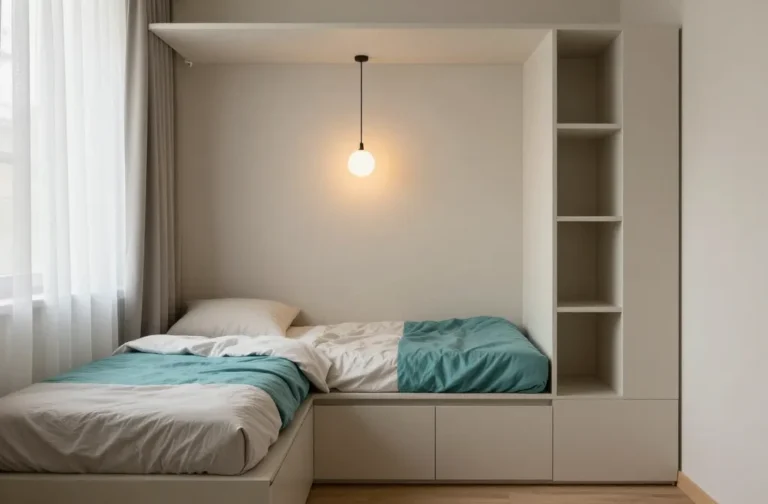
When a bedroom must double up as an office or living space, a hidden bed solution with sliding panels creates instant separation by day and a full sleeping area by night. The sliding panels act as a flexible room divider that can be opened or closed as needed.
Why This Layout Works
The bed is tucked away during the day, which opens the room for work or lounging. At night, the panels slide away to reveal a comfortable sleeping space without sacrificing square footage during waking hours.
Space-Expanding Color Palette
Keep the daytime palette soft and neutral. Introduce a slightly richer accent in bedding or a throw to define the night area when the panels are closed.
Space-Saving Furniture
Use a bed with a slim profile that slides on tracks and a lightweight, modular wardrobe or cabinet system behind the panels for tidy storage that disappears from view during the day.
Storage and Decor Strategy
Incorporate hidden storage inside the panels for documents and seasonal items. Use a simple rug and a couple of plants to define the living zone while keeping the space calm.
- Use soft, quiet hardware on the panels to minimize noise and disruption
Budget-Friendly Space Upgrade
Install a budget-friendly track system and a lightweight sliding panel kit. With a bit of DIY framing and paint, you create a flexible, stylish solution without a large investment.
Small-Space Designer Insight
Consider acoustics: soft textiles and plants help absorb sound that can travel in a compact, multi-use room. This concept suits studio apartments or rooms with variable daily use.
Ideas to Try Next
11 White Room Decor Bedroom Small Spaces Ideas for a Bright
10 Small Bedroom Decor Ideas for Women That Feel Chic and Cozy You’Ll Love
12 Cute Bedroom Decor Ideas for Small Spaces You’Ll Want to Copy
21 Cozy Small Bedroom Decor Ideas That Feel Warm Without Feeling Crowded: Tiny Space Glow
19 Teen Bedroom Decor Ideas for Small Rooms That Feel Fun and Personal: Tiny Space, Big Vibes
12 Small Bedroom Decor on a Budget Ideas That Look Surprisingly Stylish
10 Small Bedroom Decor Ideas Indian Style for a Beautiful Tiny Room
Common Mistakes With Small Bedroom Decor Ideas
Overstuffed furniture that blocks movement
Why it’s a problem: Large pieces can dominate a tiny space, limiting circulation and making the room feel smaller. How to fix: Choose lighter, slimmer silhouettes or scale down to compact versions that still meet your needs.
Too many competing colors on walls and furniture
Why it’s a problem: A crowded palette creates visual noise and makes the space feel busy. How to fix: Stick to a cohesive color family and use texture and pattern rather than color to add interest.
Blocking natural light with heavy window treatments
Why it’s a problem: Curtains and blinds can dull a space that’s trying to feel bright and open. How to fix: Use light, sheer fabrics or opt for mounted blinds that sit close to the glass for a clean line.
Ignoring vertical space
Why it’s a problem: Failing to use walls means missing easy storage and a sense of height. How to fix: Install floating shelves or tall, slim storage units to stretch the room upward.
Too many small storage pieces creating clutter
Why it’s a problem: A handful of undersized storage items can look chaotic and visually heavy. How to fix: Consolidate in a single, well-designed storage piece and keep surfaces clear.
Budget-Friendly Small Bedroom Decor Ideas Tips
Rearrange Before You Buy Anything New
Experiment with different room orientations using existing pieces to find the best flow and mood before investing in new items.
Take Simple Storage Up the Wall
Install slim, wall-mounted storage in strategic places to keep clutter off surfaces but still within easy reach.
Use One Large Mirror Instead of Several Small Accents
One large mirror can dramatically amplify light and space more effectively than many small pieces.
Paint A Feature Wall On The Back Of A Wardrobe
A subtle difference on the back of a wardrobe can visually expand the room and tie the space together without buying new furniture.
Peel-and-Stick Treatments For Quick Refresh
Try removable wallpaper or decorative wall decals to create interest without the commitment of permanent changes.
Small-Space Designer Tips
Protect the Main Walking Path
Keep the primary corridor clear, avoiding furniture that narrows the path through the room.
Match Furniture Depth To The Available Floor Space
Choose pieces with depth similar to the room’s narrow dimensions to maintain sightlines and balance.
Use Vertical Lines To Draw The Eye Upward
Incorporate vertical elements like tall lamps, slim bookcases, and long curtains to create the illusion of height.
Coordinate Textiles For A Cohesive Look
Limit textiles to a cohesive palette and a few textures to avoid visual clutter while still adding warmth.
Create A Subtle Focal Point
Let one piece, such as a bedside lamp or a throw blanket, stand out with color or texture to anchor the room without overpowering it.
FAQs About Small Bedroom Decor Ideas
How can I make a very small bedroom feel larger without white walls?
Choose a soft tonal palette with a slightly warmer undertone and incorporate strategic lighting to create depth. Use a large mirror or reflective surface to bounce light and visually extend the space.
What is the best furniture size for a tiny bedroom?
Opt for low-profile, scaled-down pieces with minimal visual weight. Choose multifunctional items when possible but prioritize clean lines and proper depth to avoid crowding.
How should I place a bed in a small room?
Position the bed against the longest wall, ideally with a clear path on both sides. Use a small nightstand on one side and a wall-mounted light to maintain airflow and floor space.
Which colors help a small bedroom feel lighter and more open?
Light neutrals with subtle warmth, such as ivory, pale gray, or soft greiges, help create airiness. Add depth with textiles and a single accent color, rather than painting multiple elements bold hues.
What lighting is best for a tiny bedroom?
Layer lighting with overhead, task, and ambient sources. Use compact fixtures and wall-mounted options to keep surfaces uncluttered and to avoid taking up floor space.
Is it okay to use mirrors in a small bedroom?
Yes, but be strategic. A single large mirror placed to reflect natural light or a view creates a sense of depth without making the room feel crowded.
Final Thoughts on 10 Very Small Bedroom Decor Ideas
In small bedrooms, intent matters as much as style. The main small-space lesson is that function and beauty can coexist when you prioritize scale, vertical space, and thoughtful layout. A calm, cohesive color story helps the space feel open even when every inch is spoken for, and well-chosen lighting adds warmth without clutter.