
11 White Room Decor Bedroom Small Spaces Ideas for a Bright

As an Amazon Associate I earn from qualifying purchases.
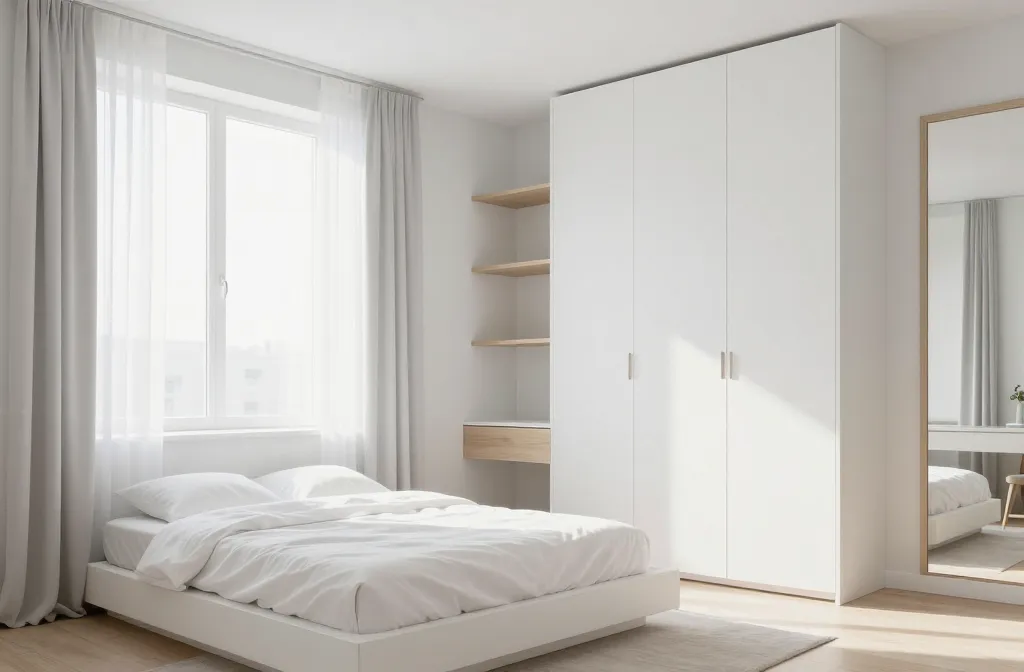
White decor can make a small bedroom feel brighter, cleaner, and more spacious. With the right white room decor bedroom small spaces ideas, you can create a calm and inviting room without making it feel plain or empty.
Start with white bedding, light-colored furniture, and soft curtains to keep the space feeling open. Add different textures through pillows, blankets, rugs, and curtains to bring warmth and depth. Mirrors can reflect light and make the bedroom appear larger, while simple shelves provide useful storage without taking up much floor space. Small touches of wood, greenery, or soft neutral colors can also add character.
In this article, you’ll discover 11 white room decor bedroom small spaces ideas to help create a bright, cozy, and stylish bedroom.
Why White Room Decor Bedroom Small Spaces Ideas for a Bright, Airy Look Works
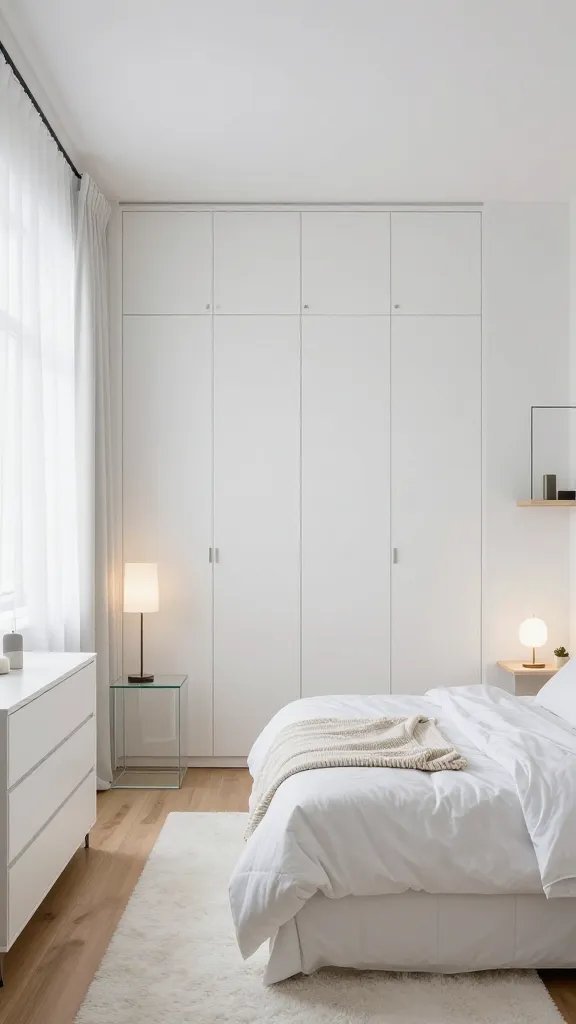
In a small bedroom the color white acts as a mirror, bouncing natural light around and creating the illusion of more space. A smart plan uses scaled furniture and clear sightlines to keep traffic flowing and the room feeling uncluttered.
White surfaces plus well chosen textures create depth without crowding. Vertical elements like tall wardrobes and long curtains draw the eye upward, while thoughtful lighting layers add warmth and dimension. Storage should disappear into the design rather than crowd the floor, letting the space breathe.
These ideas are designed to translate to real homes with various budgets and styles. The focus stays on light, airiness, and organized elegance that makes a small white bedroom feel inviting rather than clinical.
1. Narrow Nook Bed Zoning
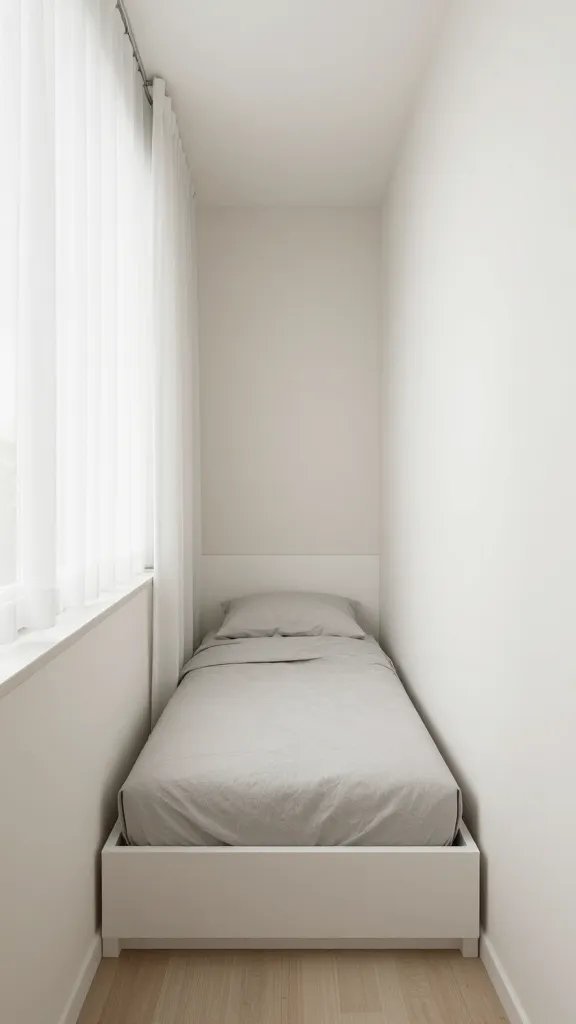
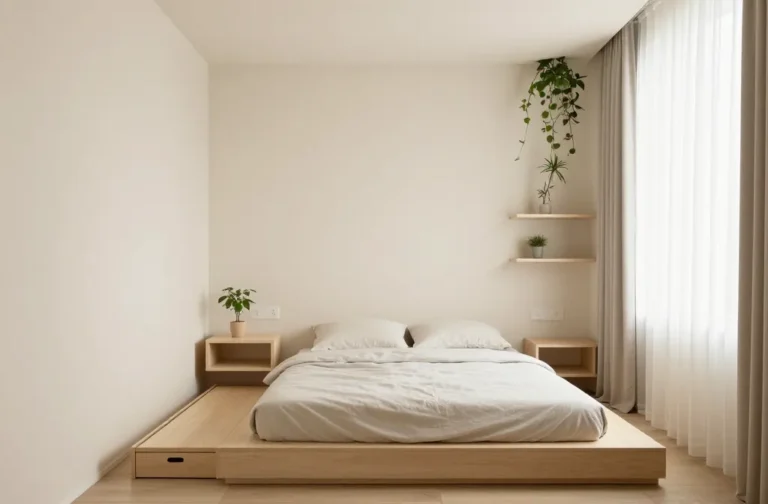
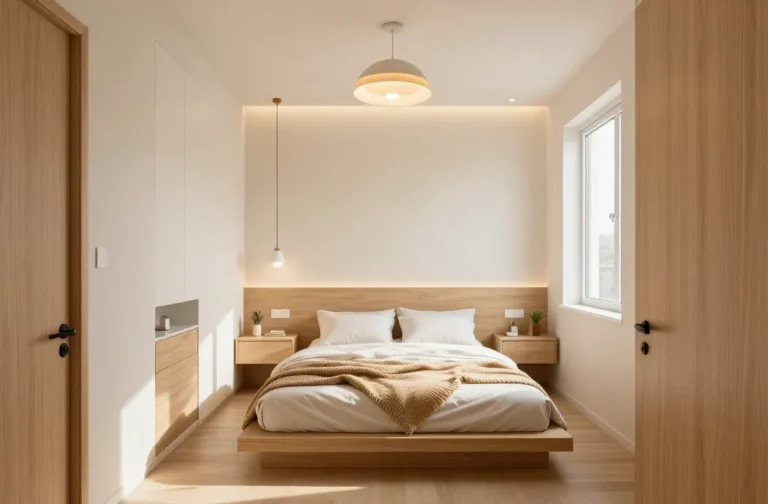
In very small rooms every inch counts, so this concept creates a distinct sleeping zone within a narrow footprint by using a low profile bed aligned against the longer wall and a slim, waist height headboard that doesn’t swallow floor space. A soft white bed frame with a subtle texture anchors the space, while a sheer curtain or lightweight screen can visually separate the bed without closing off the room.
Why This Layout Works
The bed becomes a clear focal point while leaving easy circulation on both sides. By aligning the bed with the room’s length, you maintain a longer visual corridor and prevent a heavy mass in the center. A compact nightstand on one side keeps essentials close without crowding.
Space-Expanding Color Palette
Use crisp white for walls and bedding, with a touch of warm ivory or pale gray in textiles. A single accent color—soft blue or warm taupe—in a throw pillow or small rug adds depth without breaking the airiness.
Space-Saving Furniture
Choose a low profile bed and a slim, floating nightstand or wall mounted shelf. Avoid solid, bulky dressers in favor of slim profile drawers or a narrow dresser placed against the wall perpendicular to the bed if storage is needed.
Storage and Decor Strategy
Maximize under-bed storage with slim totes or a fabric chest. Wall mounted slim shelves above the headboard can hold a few books, a lamp, and a plant, keeping surfaces uncluttered.
Budget-Friendly Space Upgrade
Rearrange existing pieces to align the bed with the longest wall, swap out a heavy drape for sheer panels, and add a mirror on the opposite wall to reflect light.
Small-Space Designer Insight
Clear sightlines from door to window create an uninterrupted feel of space. The minimal approach to furniture weight keeps the room feeling balanced rather than crowded.
Best suits studios or awkward long narrow bedrooms where a bed needs to read clearly as the room’s anchor.
2. Floating Storage and Gentle Layers
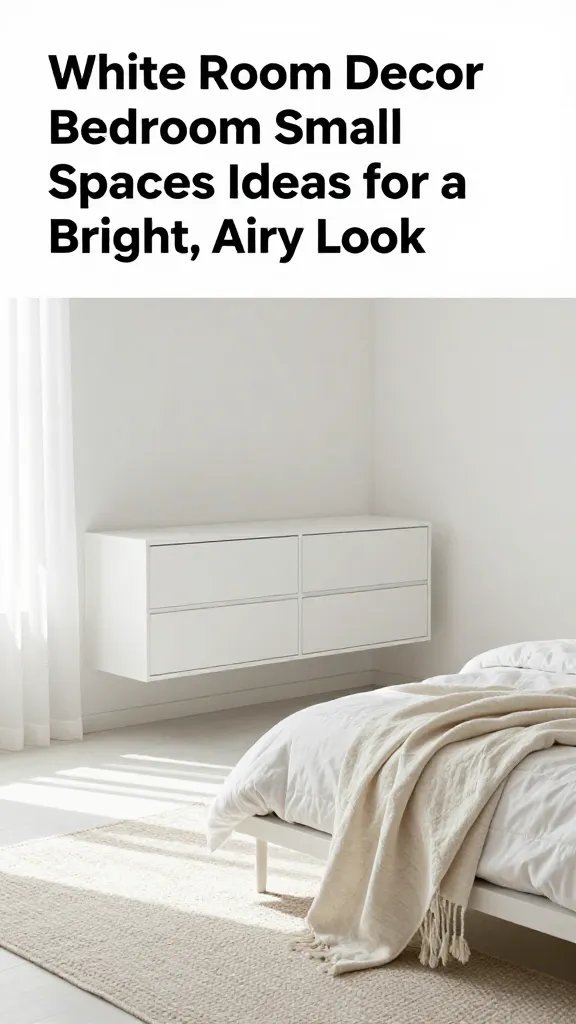
This concept builds a calm, airy vibe by floating storage elements off the floor and layering soft textiles to create depth without heaviness. Think a wall mounted dresser, a platform bed with a small gap, and layered textiles in white tonal shades for warmth.
Why This Layout Works
Floating pieces minimize visual clutter and maintain open floor space. Elevated storage keeps pet and kid traffic unobstructed and makes cleaning easier. Layered textures invite coziness while preserving airiness.
Space-Expanding Color Palette
Stick to whites with warm undertones like ivory, eggshell, and pale greige. Add a touch of texture through a knit throw or woven rug to give depth without introducing color blocks that feel heavy.
Space-Saving Furniture
Opt for a wall mounted dresser or slim floating vanity, and choose a bed frame with exposed legs to keep the floor visually open. A compact, armless chair can tuck neatly under a console when not in use.
Storage and Decor Strategy
Use open cubbies or baskets on a floating unit for quick access to daily items. A tall mirror near the storage reflects light and visually enlarges the room.
Budget-Friendly Space Upgrade
Paint the wall unit white and replace bulky hardware with slim, modern pulls. Add a simple wall mounted shelf with a couple of decorative boxes for storage.
Small-Space Designer Insight
Raising storage off the floor creates the illusion of more depth and air around furniture. This is especially effective in rooms with limited natural light.
Great for small bedrooms with limited floor space or those wanting a clean minimal feel with a touch of warmth.
Ideas to Try Next
10 Small Bedroom Decor Ideas for Women That Feel Chic and Cozy You’Ll Love
12 Cute Bedroom Decor Ideas for Small Spaces You’Ll Want to Copy
21 Cozy Small Bedroom Decor Ideas That Feel Warm Without Feeling Crowded: Tiny Space Glow
19 Teen Bedroom Decor Ideas for Small Rooms That Feel Fun and Personal: Tiny Space, Big Vibes
12 Small Bedroom Decor on a Budget Ideas That Look Surprisingly Stylish
11 Simple Room Decor for a Small Bedroom That Feels Clean and Cozy You’Ll Love
10 Bedroom Decor for Small Rooms That Makes Every Inch Count
3. Window-Centered Seating and Breeze
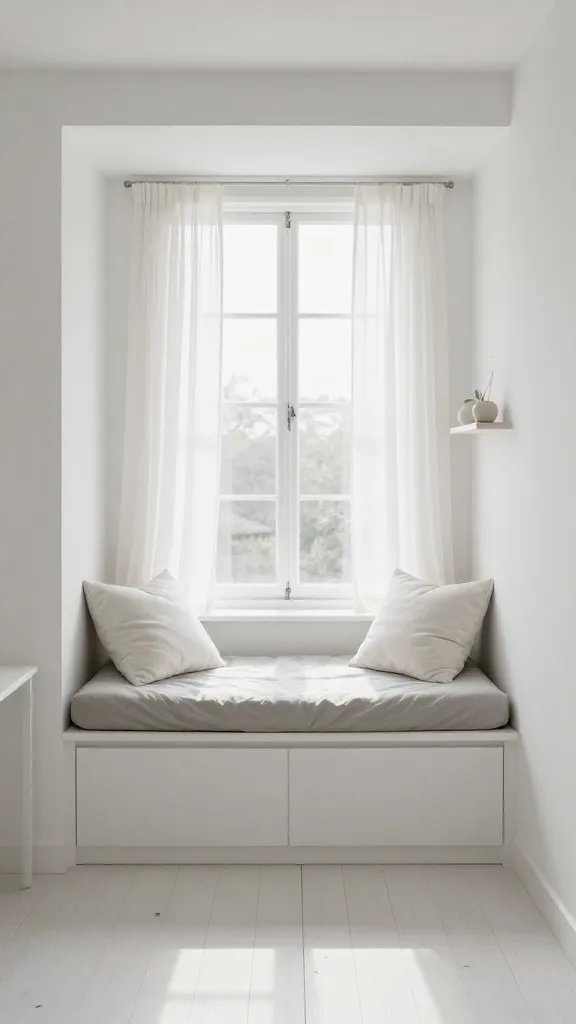
Maximize light by placing a small seating area directly opposite or beside a large window. A white daybed or window seat with a cushioned bench creates a cozy retreat without cutting into the room’s flow. Pair with floating shelves and sheer curtains that softly filter daylight.
Why This Layout Works
Positioning seating near the window uses natural light to open the room. A light color palette on upholstery avoids visual heaviness, and the bench invites casual lounging with a practical use as extra seating for guests.
Space-Expanding Color Palette
Soft whites with a whisper of pale wood tone or beige adds warmth. Keep textiles bright white with subtle texture to keep the space feeling fresh and light.
Space-Saving Furniture
A narrow window bench with built-in storage cushions the seat while hiding everyday items. Choose a compact armchair that can be tucked away along a wall when needed.
Storage and Decor Strategy
Add slim floating shelves above the bench for books and a few decorative objects. A small mirror near the seating area reflects light and enlarges perception of space.
Budget-Friendly Space Upgrade
Install simple curtain rods and sheer panels to soften daylight. Use binder clips and removable hooks to create temporary storage solutions on the window side wall.
Small-Space Designer Insight
Sightlines matter—keep the view to the window clear to maintain an expansive feel. The space should invite light to travel through the room rather than bounce off crowded corners.
Ideal for rooms with generous daylight and a single focal window wall.
4. Wall-to-Wall Linen and Light Layers
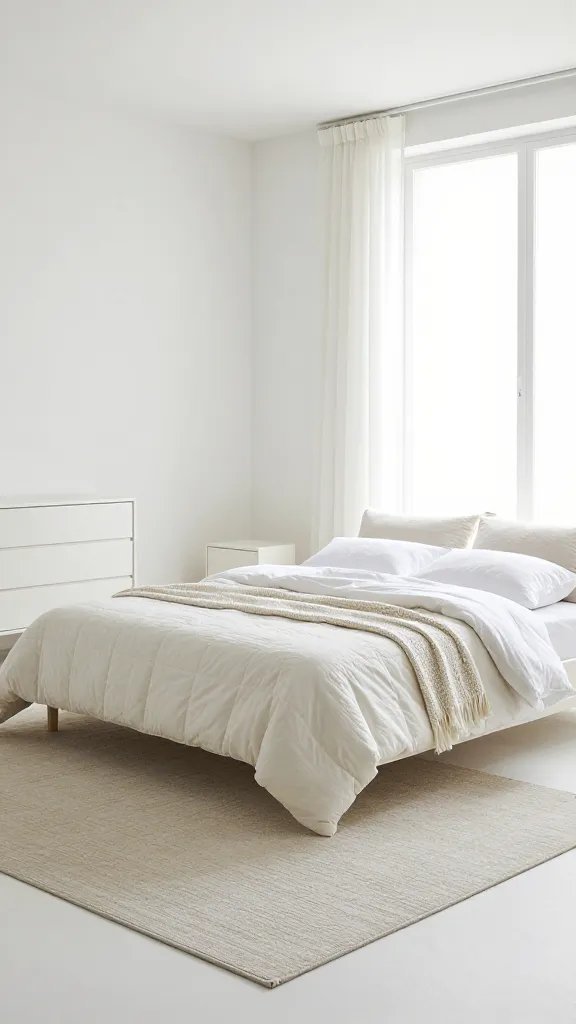
With white as the core, layer textures through linens, rugs, and bedding on a minimal furniture layout. Use a single dresser, a small nightstand, and a plush rug that anchors the bed while leaving generous edges of floor visible.
Why This Layout Works
Texture adds depth without visual clutter. A simple, open floor plan encourages easy movement and a calm atmosphere. The layered textiles can change with seasons while keeping the room bright.
Space-Expanding Color Palette
Keep whites soft with ivory undertones and warm neutrals. Introduce a hint of pale blush or sandy gray in textiles for subtle warmth without breaking the airy feeling.
Space-Saving Furniture
Choose a compact dresser or a pair of narrow chests that can tuck under windows or along a narrow wall. A bed with a low profile and visible legs reduces the visual weight.
Storage and Decor Strategy
Use shallow baskets on top of dressers and a slim wall shelf for accessories. A single plant and a framed print add life without crowding surfaces.
Budget-Friendly Space Upgrade
Replace a standard rug with a smaller, high pile option to create warmth on the floor without overwhelming the space. Refinish furniture with a coat of white paint for a cohesive look.
Small-Space Designer Insight
Maintain negative space around the bed and seating to give the eye room to travel. The result is a more restful and visually expansive room.
Perfect for classic white bedrooms that crave softness and a refined, quiet energy.
5. Corner-to-Corner Cloak and Closet
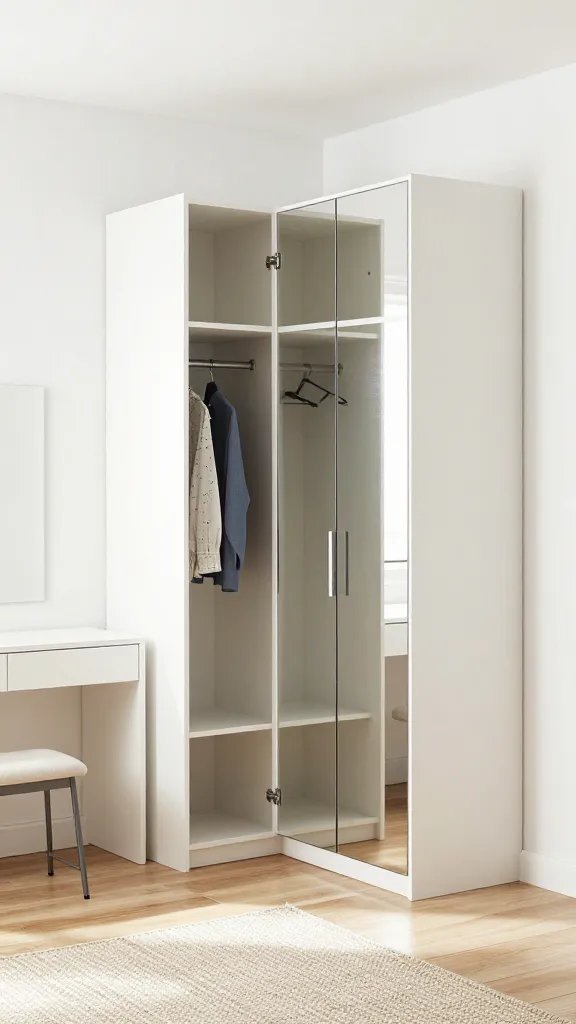
Turn an awkward corner into a seamless wardrobe by installing a corner wardrobe and slim vertical organizers. A corner mirror can visually extend the room while a small dressing area feels practical, not cramped.
Why This Layout Works
Utilizing corner space removes the need for a larger, horizontal dresser that can cut the room in half. Corner storage keeps clothing organized without taking up central floor area.
Space-Expanding Color Palette
Keep walls white and add texture with a woven rug and linen drapes. A soft gray in the wardrobe interior creates dimensional contrast that remains light.
Space-Saving Furniture
A corner wardrobe with a mirrored door reflects light and makes the small room feel bigger. A slim stool or bench fits in the remaining corner without crowding.
Storage and Decor Strategy
Install magnetic strips inside doors for small accessories and use labeled baskets on high shelves to keep items sorted yet easily accessible.
Budget-Friendly Space Upgrade
Add a lightweight, freestanding garment rack as a temporary solution while you refine built-ins. Use a peel-and-stick wallpaper on the back wall of the closet to heighten depth when doors are open.
Small-Space Designer Insight
Visibility is key—mirror faces the room to bounce light and subtly expand the sense of space even when the closet doors are closed.
Best for awkward corners or compact bedrooms with limited closet space.
6. Lofted Bed with Open Shelving Base
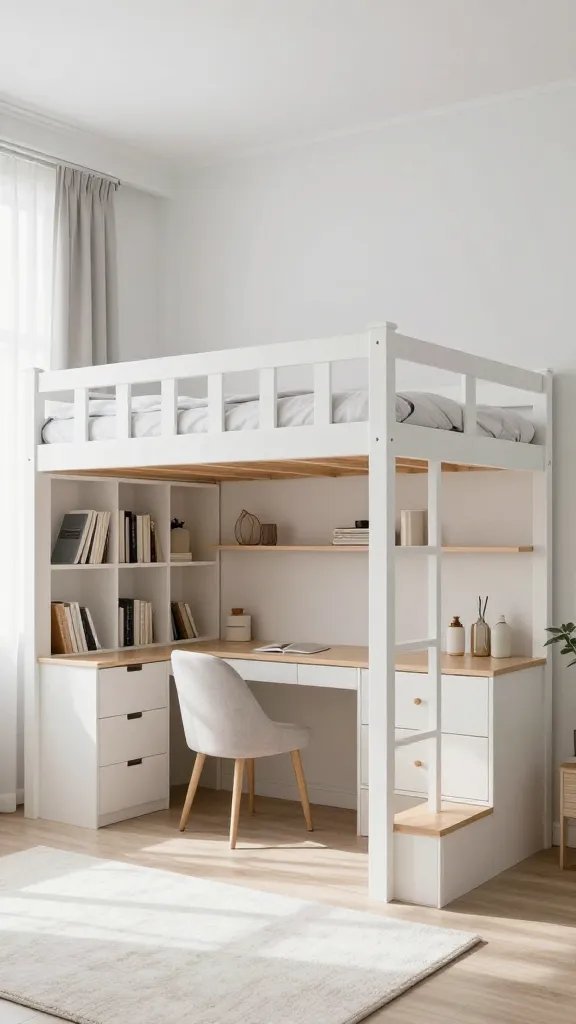
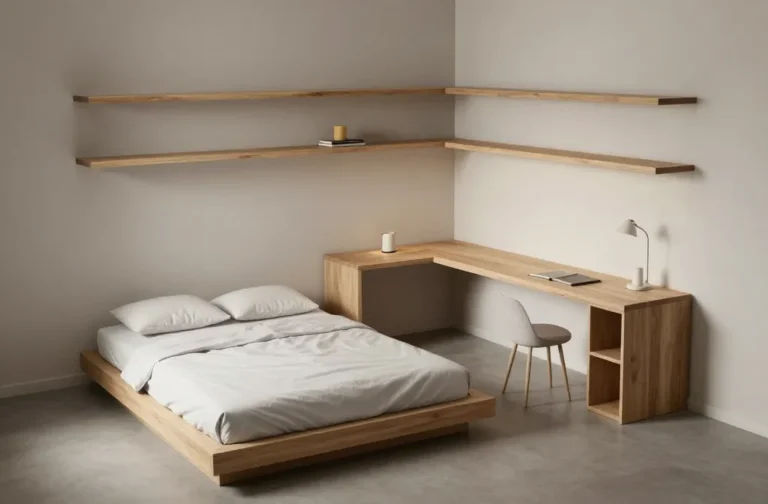
Elevate the sleeping zone with a loft bed that frees floor space for a small desk, dresser, or lounge area underneath. An open shelving base provides easy access to daily items while maintaining a light, airy feel.
Why This Layout Works
Lifting the bed creates a defined zone for rest without sacrificing space for work and storage. The open shelving keeps the area visually light and organized, which is crucial in small rooms.
Space-Expanding Color Palette
Stick to crisp whites with pale wood tones. The natural warmth from wood helps balance the brightness of white, keeping the room inviting.
Space-Saving Furniture
A compact desk beneath the loft bed serves multiple purposes and can double as a vanity on busy days.
Storage and Decor Strategy
Under loft storage includes baskets and tidy bins, while the open shelves above carry books and lightweight decor to avoid heaviness.
Budget-Friendly Space Upgrade
Convert a sturdy twin bed frame you already own into a loft with a DIY support system or hire a local carpenter for a simple, safe setup.
Small-Space Designer Insight
Keep the desk tandem with the bed’s edge to preserve sightlines from door to window, preventing the space from feeling disjointed.
Ideal for rooms with height and a need for multi use without sacrificing sleep comfort.
7. All White, Soft Contrast
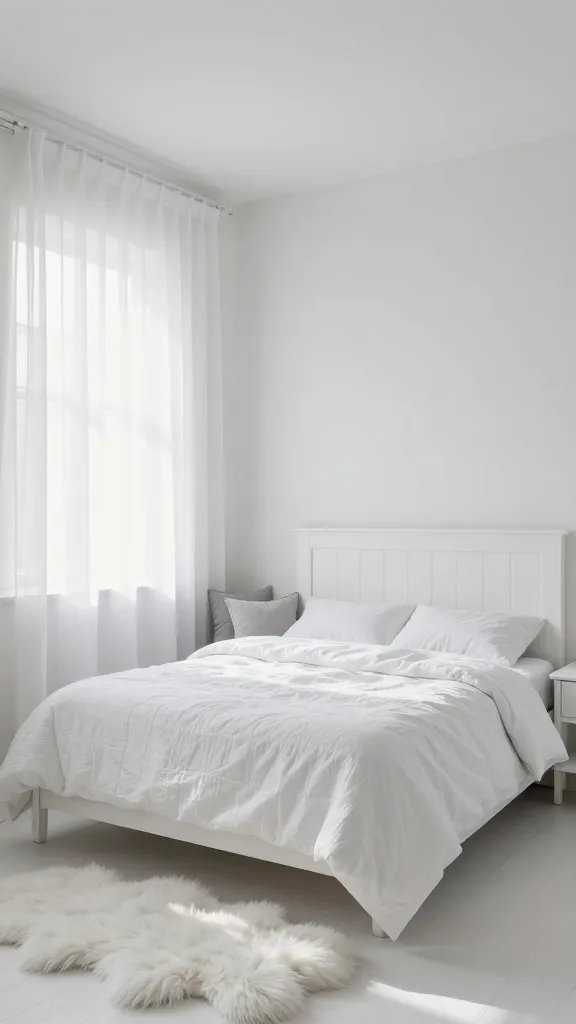
Lean into an all white palette with textures and a few soft gray accents to preserve brightness while adding dimension. A white paneled headboard, sheer curtains, and a white fur rug can create a serene, cohesive atmosphere that reads as larger than it is.
Why This Layout Works
Unified color reduces visual noise and makes the room feel more expansive. Subtle texture prevents flatness and keeps the space inviting.
Space-Expanding Color Palette
All white with gentle textural contrasts in textiles brings depth without introducing strong color blocks that can feel heavy in small rooms.
Space-Saving Furniture
Use low profile, white furniture with clean lines. Avoid bulky pieces that interrupt the line of sight across the room.
Storage and Decor Strategy
Incorporate hidden storage behind white doors and use woven baskets in a light shade to maintain a soft texture while keeping clutter out of sight.
Budget-Friendly Space Upgrade
Switch out a heavy curtain with a light linen drape that lets in more light. A simple paint refresh on trim can brighten the entire space.
Small-Space Designer Insight
Texture, not color, does the heavy lifting here. The careful layering of textiles creates warmth and interest while preserving airiness.
Wonderful for readers seeking a calm, minimalist white bedroom with a timeless feel.
8. Wall-to-Wall Wardrobe with Floating Desk
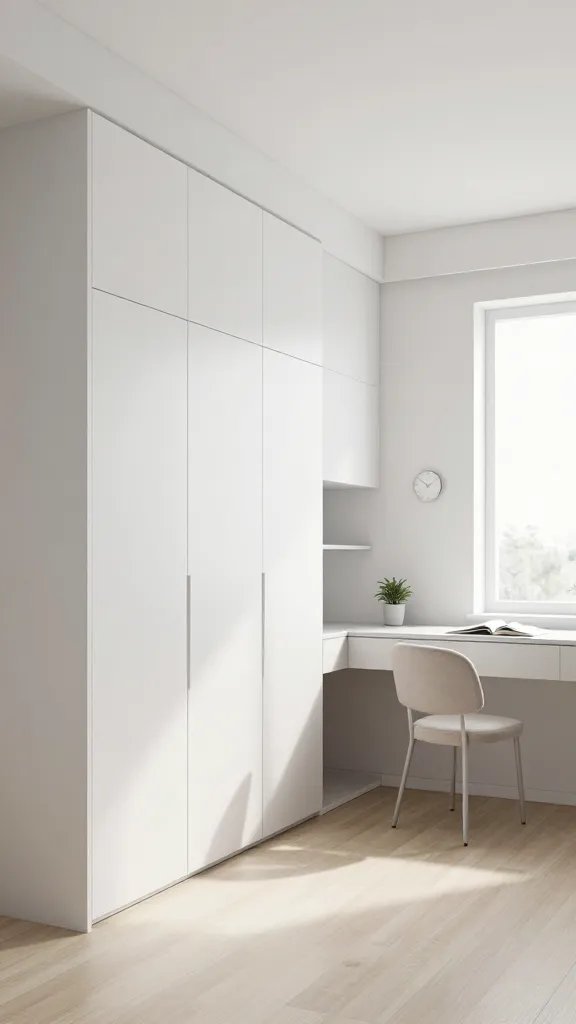
A wall-to-wall wardrobe conceals clothing and keeps the room tidy, while a floating desk on the opposite wall adds a compact work zone without closing in the space. A tiny lounge chair completes the setup for moments of rest or reading.
Why This Layout Works
Vertical storage minimizes floor clutter, and a floating desk maintains open floor space for movement. The room feels designed rather than crowded.
Space-Expanding Color Palette
Use bright white for the walls and wardrobe with pale gray hardware. The desk can be a slightly warmer white to avoid a clinical vibe.
Space-Saving Furniture
Choose a slender desk that tucks neatly against the wall and a bench or slim chair that can slide under the desk when not in use.
Storage and Decor Strategy
Incorporate closed storage inside the wardrobe and add a small set of floating shelves above the desk for quick access to office essentials.
Budget-Friendly Space Upgrade
Refinish a tired desk with a fresh coat of white paint and replace any bulky hardware with slim, modern pulls.
Small-Space Designer Insight
Keep the desk area visually light with a single, unobtrusive task lamp to avoid crowding the surface with multiple light sources.
This option is ideal for small bedrooms that double as a workspace or study area.
9. Mirror-Backed Aligned Wardrobe
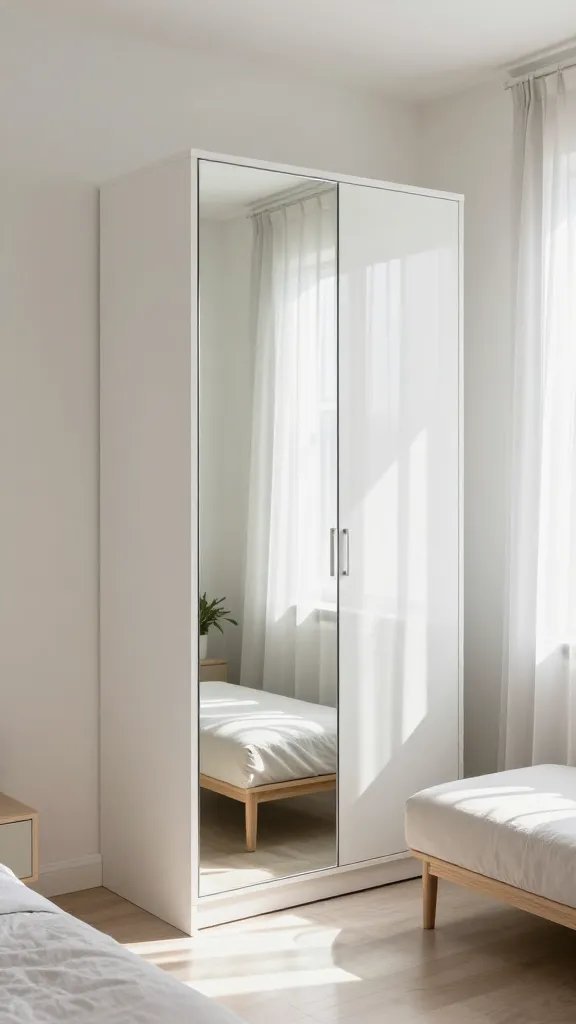
Installing a wardrobe with a full-height mirror on the door reflects the room and doubles the perceived light. Position the wardrobe against a wall that benefits from reflected daylight and balance it with a small seating area or bench on the opposite side.
Why This Layout Works
Mirrored surfaces visually expand the room and bounce light to darker corners. The wardrobe becomes a light enhancing feature rather than a heavy block.
Space-Expanding Color Palette
Maintain a white base with a hint of soft beige in textiles. The mirror reflects the warmth of the room, so you can lean into warm neutrals without losing airiness.
Space-Saving Furniture
A slim, tall wardrobe minimizes floor footprint. Pair with a compact stool or bench for a quick dressing area.
Storage and Decor Strategy
Use the wardrobe interior for closed storage and keep decorative items separate on a wall shelf to avoid clutter near the mirror.
Budget-Friendly Space Upgrade
Replace an old mirror with a full-length mirrored door to instantly enlarge the sense of space with minimal cost.
Small-Space Designer Insight
The key is alignment: mirror and wardrobe lines should harmonize with window lines and door frames to maintain calm sightlines.
Ideal for bedrooms with one strong natural light source where mirrors can amplify the glow.
10. Platform Bed with Small Gallery Wall
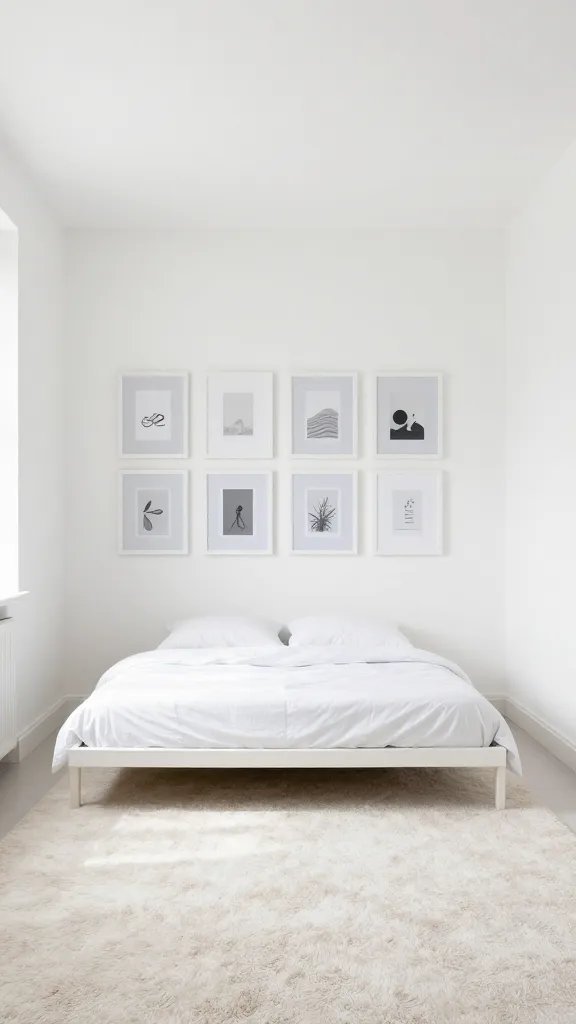
A low platform bed anchors the space and keeps floor distance open. A narrow gallery wall above the bed in white frames with soft gray matting adds personality without visual clutter.
Why This Layout Works
Low profile keeps the bed from dominating room height. A slim gallery wall supports a personal touch while maintaining clean, crisp lines that amplify light.
Space-Expanding Color Palette
White walls with subtle gray art mats read as a gentle contrast that still feels bright. A pale rug adds texture without crowding the floor.
Space-Saving Furniture
A bed with a built-in shelf at its foot or sides offers essential storage without adding bulkiness.
Storage and Decor Strategy
Use a small, slim dresser or couple of moving baskets under the bed for hidden storage. Lightweight art frames avoid overwhelm on the wall.
Budget-Friendly Space Upgrade
Create a DIY gallery using printable black and white photos in matching frames and hang them in a tidy grid to unify the wall.
Small-Space Designer Insight
Proportions matter: keep the art scale proportional to the wall and bed to maintain a balanced rhythm rather than a cluttered look.
Best for small bedrooms needing a touch of personality without sacrificing space for movement.
11. Quiet Loft with Invisible Storage
Install a small lofted shelf above the bed area and hide less used items in a slim vertical cabinet tucked into a corner. The remaining surface areas stay clear to emphasize openness and a bright feel.
Why This Layout Works
Invisible storage reduces visible clutter and allows the room to feel larger. Elevating storage keeps daily items within reach yet out of sight.
Space-Expanding Color Palette
White with a whisper of blue-gray in textiles and hardware creates a serene, airy mood that remains adaptable over time.
Space-Saving Furniture
A compact, wall mounted cabinet and a slim desk or console maintain a sense of lightness while providing practical surfaces.
Storage and Decor Strategy
Use vertical organizers on the inside of cabinet doors and keep decorative pieces minimal on top of the loft shelf, focusing on one or two meaningful accents.
Budget-Friendly Space Upgrade
Add simple peel-and-stick panels to the loft area to emphasize the height without costly remodels. A small, inexpensive lamp can finish the look.
Small-Space Designer Insight
Proportional negative space above the bed prevents the loft line from feeling heavy and frames the ceiling as an architectural feature rather than a limit.
The loft concept is especially attractive for truly compact rooms or studios where vertical space is a practical ally.
Common Mistakes With White Room Decor Bedroom Small Spaces Ideas for a Bright, Airy Look
Overly bulky or mismatched pieces
When furniture dominates the room, heavy weight clashes with the airy feel. Fix it by selecting slim profiles and keeping surfaces clean. The goal is easy movement and a calm rhythm.
Blocking doorways or sightlines
Cluttering the path or obstructing the line of sight closes in the space. Reorient furniture to preserve clear paths and allow light to travel across the room.
Ignoring vertical space
Vertical storage and long curtains are essential in small rooms. Without them the eye stops at the floor and the room seems smaller. Add tall wardrobes or shelves to lift the gaze upward.
Too many open shelves or open storage
Open storage can create a busy look if not curated well. Mix closed storage with a limited number of decorative open shelves to reduce visual clutter.
Insufficient lighting layers
A single light source makes a small room feel flat. Layer ambient, task, and accent lighting to create depth and warmth that reads as more expansive.
Budget-Friendly White Room Decor Bedroom Small Spaces Ideas Tips
Rearrange Before You Buy Anything New
Move existing pieces to discover better traffic flow and focal points before spending. Small shifts can dramatically improve the room’s balance and airiness.
Take Simple Storage Up the Wall
Install slim floating shelves or tall slim cabinets that reach toward the ceiling. This frees floor space and strengthens vertical lines.
Use One Large Mirror Instead of Several Small Accents
A single well placed mirror can multiply light better and feel less cluttered than multiple small reflective surfaces.
Upgrade Lighting with Layered Fixtures
Add a pendant or wall sconces to create soft layers of light that sweep across walls and corners, avoiding flat brightness.
Choose Dual-Purpose Pieces
Opt for furniture that serves more than one function, such as a bench with storage or a bed with integrated drawers, to minimize furniture count while maximizing utility.
Small-Space Designer Tips
Protect the Main Walking Path
Keep a clear corridor from door to window or to the bed. This improves flow and makes the room feel larger than its measurements.
Match Furniture Depth to the Available Floor Space
Choose pieces with similar depths to avoid overcrowding. A cohesive depth pattern makes the room feel calmer and more expansive.
Use Vertical Lines to Draw the Eye Upward
Floor to ceiling elements and tall bed frames create sightlines that visually raise the ceiling and widen the space.
Mirror Placement for Brightness
Place a mirror opposite a window or light source to reflect daylight and create the illusion of depth.
Rug Proportions that Ground the Space
Choose a rug that fits under the bed and extends a little beyond its sides to anchor the layout without visually shrinking the room.
FAQs About White Room Decor Bedroom Small Spaces Ideas for a Bright, Airy Look
How can I make a white bedroom feel bigger?
Focus on sightlines, vertical storage, and reflective surfaces. Use a large mirror and keep furniture low profile with ample open floor space.
What colors complement white in a small room?
Soft neutrals like warm beiges, creams, and pale grays work well. Add texture with textiles and subtle warmth through wood tones to avoid a clinical vibe.
What kind of lighting works best in small white rooms?
Layer ambient lighting with a mix of task and accent lighting. Consider wall sconces, a slim pendant, and a floor lamp to create depth and warmth.
How do I store things in a white bedroom without clutter?
Use closed storage for daily essentials and reserve open shelves for a curated display. Keep surfaces clean and opt for baskets or bins that match your color palette.
What size should a rug be in a small bedroom?
Choose a rug that sits under the bed and extends beyond it at least 18 inches on each side. This anchors the space without breaking sightlines.
Final Thoughts 11 White Room Decor Bedroom Small Spaces Ideas for a Bright
The main small-space lesson is that light, balanced composition and thoughtful organization can make white bedrooms feel expansive rather than cramped. When you plan with a clear sightline, layer textures, and keep a calm palette, style and function work beautifully side by side.
The room should feel open, restful, and tailored to how you actually live. Start with one small change that aligns with your lifestyle, such as swapping a bulky dresser for a slim, wall mounted storage unit or adding a single mirror to bounce light across the space. You’ll be surprised how quickly a brighter, more airy white bedroom becomes your favorite retreat.
Trust me, the right layout and lighting can transform even the smallest space into a calm, purposeful sanctuary.
7 Comments