14 Small Formal Living Room Ideas That Feel Elegant Without Feeling Crowded

A small formal living room can feel elegant, inviting, and comfortable with the right design choices. The best small formal living room ideas combine timeless style with smart layouts, helping you create a polished space without making it feel crowded.
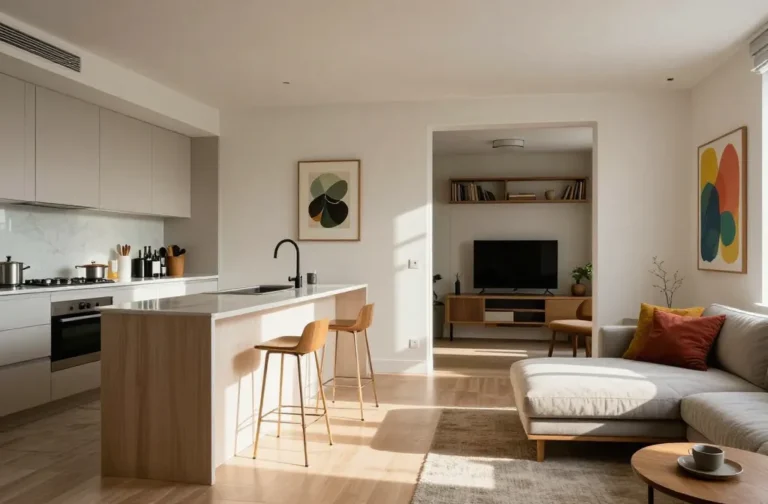
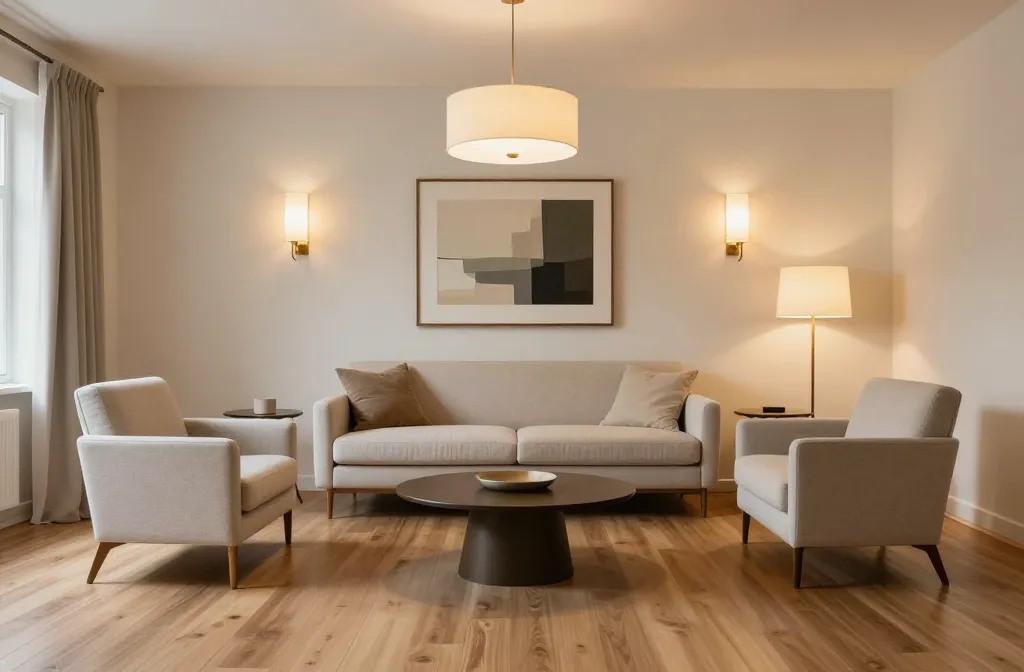
Start with a compact sofa, matching accent chairs, and a small coffee table to create a balanced seating area. Neutral colors, elegant curtains, and a beautiful area rug can add sophistication, while a statement chandelier or stylish table lamp brings warmth. Use mirrors, wall art, and slim console tables to enhance the room without taking up too much space.
In this article, you’ll discover small formal living room ideas that blend classic elegance, practical furniture, and beautiful decor. Get inspired to create a refined living room that makes every inch count!
1. Scale furniture to fit, not to dominate
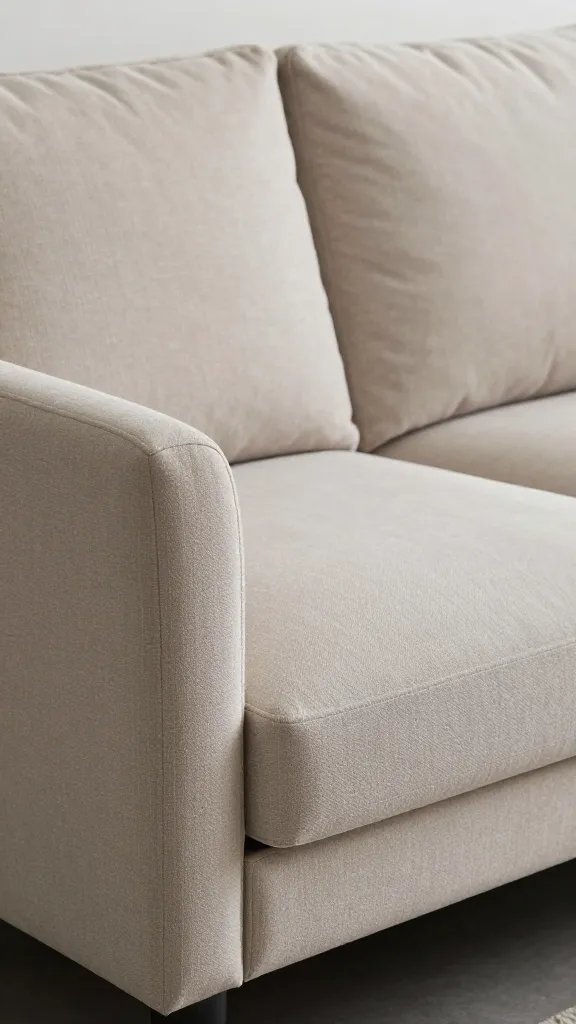
When space is precious, every inch counts. Start with a sofa that fits the width of the room, not the length of a showroom. Choose a low-profile sofa with clean lines to keep sightlines open. Add a couple of slender accent chairs instead of a bulky sectional. The trick? Leave generous gaps between pieces so the room breathes.
- Opt for single-seater chairs with slim arms
- Use a compact coffee table or a pair of nesting tables
- Maintain at least 18 inches of passage space around furniture
Why it matters
Reducing bulk in small spaces creates an airy feel and makes the room look bigger than it is. FYI, illusion is a real thing here.
2. Brighten with strategic lighting
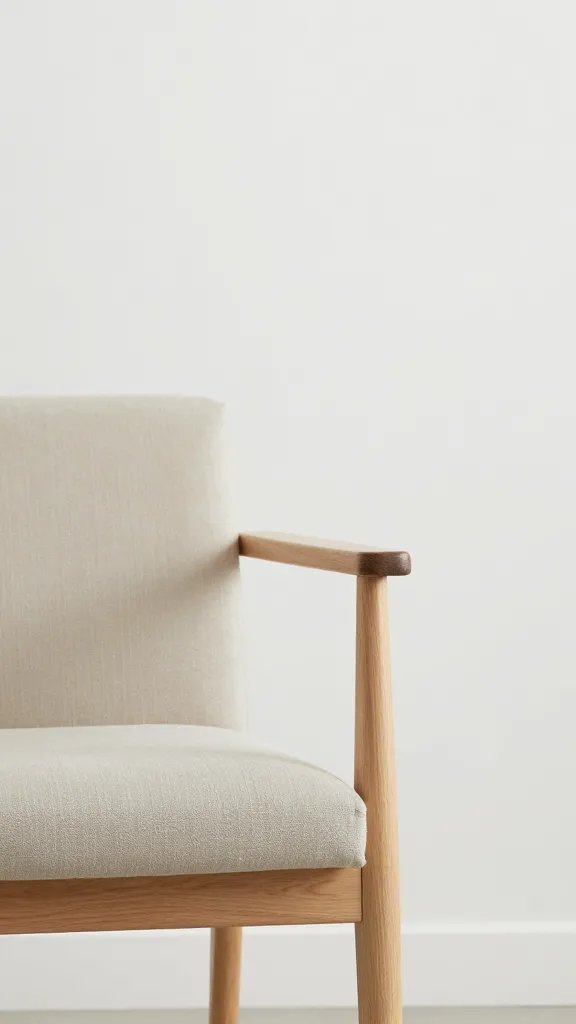
Light is your secret weapon. A well-lit room feels instantly bigger and more polished. Layer lighting with a mix of ceiling fixtures, table lamps, and floor lamps. If you can, add a dainty chandelier or pendant that sits nicely above the seating area.
- Use warm bulbs (around 2700-3000K) for coziness
- Spotlights or wall sconces flank artwork to elevate the vibe
- Dimmers = your best friend in tiny spaces
Pro tip
Mirror light around the room with a mirrored coffee table or a tall mirror opposite a window. It bounces light and fools the eye into thinking the space is deeper.
3. Scarcity is elegant: limit color palettes
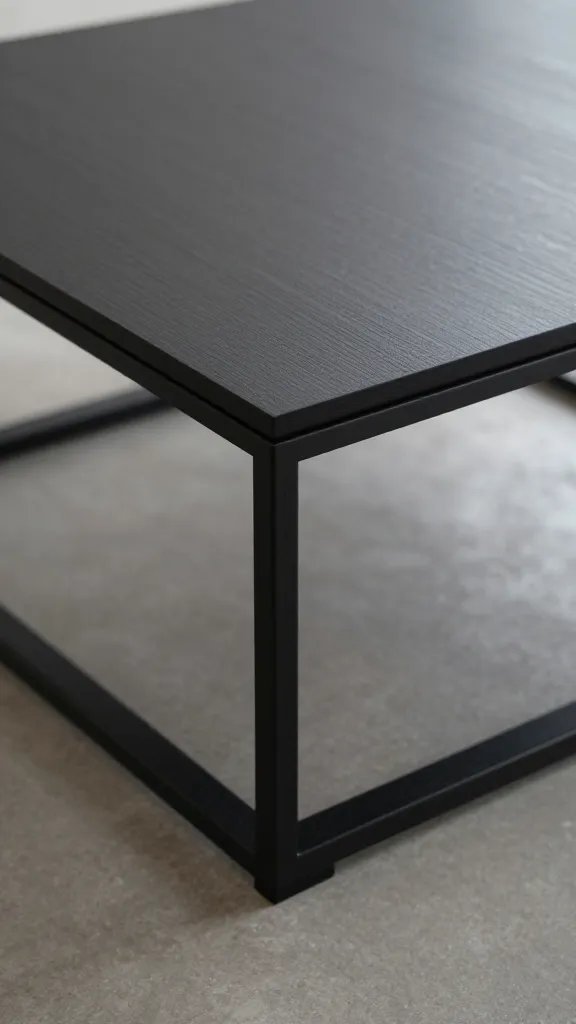
Formal doesn’t have to mean fussy. Pick a restrained palette and run with it. Neutrals like ivory, taupe, and charcoal create an elegant backbone. Then sprinkle in 1-2 accent colors, maybe a deep blue or forest green, in cushions or a throw.
- Stick to 2-3 main colors
- Use texture to add depth—linen, velvet, leather
- Add a statement piece in your accent color, not everywhere
4. Elevate with refined textiles
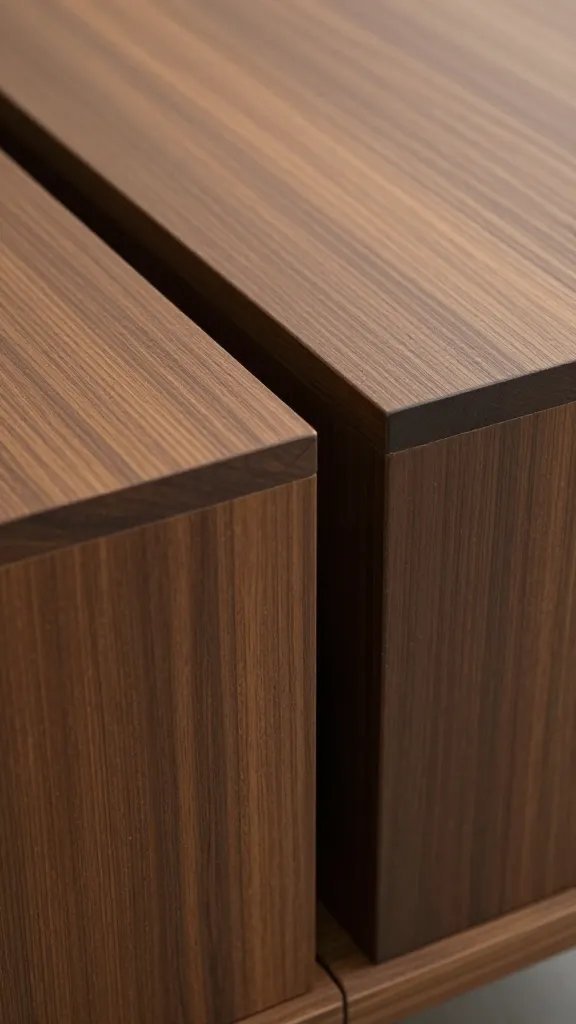
Texture changes everything in a small formal room. Think a plush rug underfoot, a velvet sofa, or linen drapes that skim the floor. Avoid busy patterns that fight for attention. The goal is tactile luxury without visual chaos.
- Choose a high-contrast pairing for depth
- Layer textiles in this order: rug, cushions, throws
- Keep curtains long and graceful to elongate the walls
5. Smart scale art and mirrors
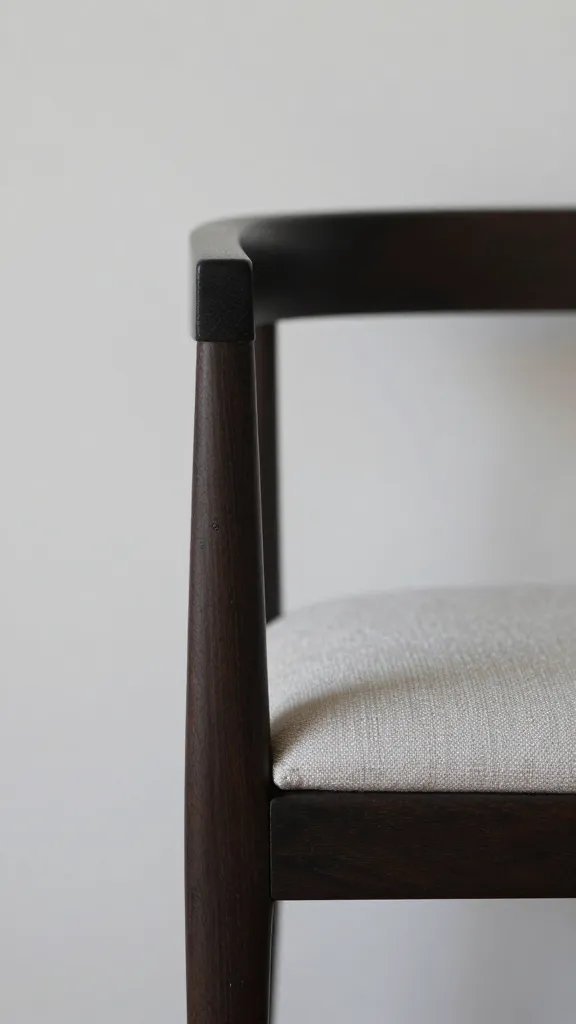
Art and mirrors are the room’s accessories, not its entire personality. In small spaces, large-scale art or mirrors can make walls feel intentional rather than crowded. Hang a big piece centered above the sofa or place a floor-length mirror to multiply light and space.
- A single bold artwork can anchor the room
- Lean instead of hang for a casual but polished vibe
- A brass or black frame adds a touch of sophistication
6. Architectural details that add polish
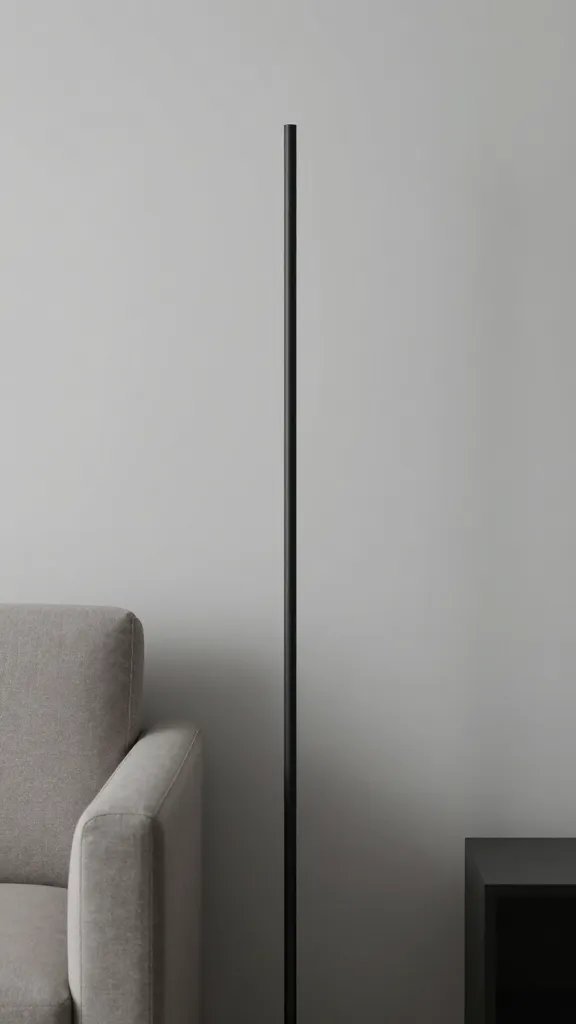
Small rooms shine when you lean into architecture. Crown molding, picture rails, or a subtle wainscot can elevate the space without adding bulk. If you’re renting or not into DIY, swap out hardware or add a stylish rail for the same effect.
- Painted trim in a slightly lighter or darker shade creates contrast
- Consider a statement fireplace surround if you’ve got one
- Keep the detailing cohesive with the rest of the home
7. The art of decluttering: intentional surfaces
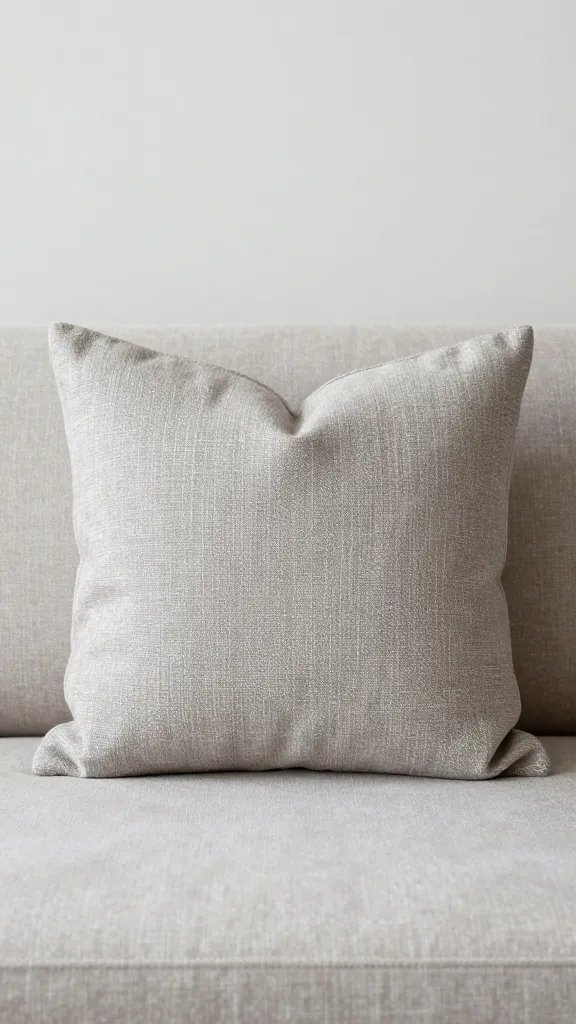
Clutter is the enemy of elegance. In small rooms, every surface counts. Keep coffee tables clean with 1-2 carefully chosen items. A single vase, a coffee table book, or a sculptural bowl can look intentional rather than messy.
Quick declutter checklist
- Daily essentials live in a discreet tray or box
- Rotate decorative items monthly for freshness
- Empty surfaces at the end of the day to reset the mood
8. Flexible seating that stays chic
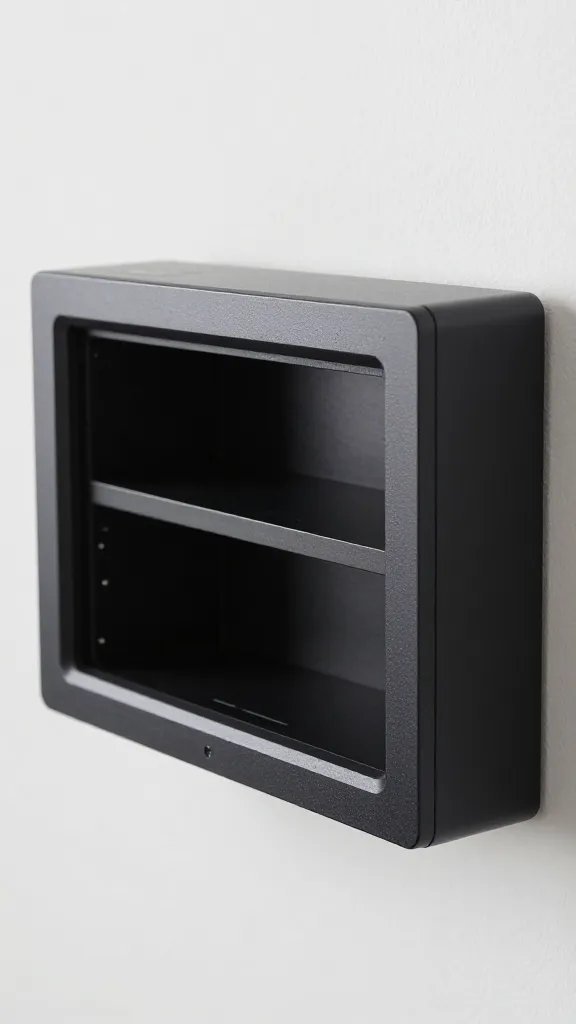
When guests arrive, you want options without overcrowding. Consider lightweight chairs you can pull in when needed. A pair of ottomans that double as seating or a slim bench can tuck out of the way.
- Use stools that can be easily tucked under a console
- Choose pieces with hidden storage for blankets and remotes
- Opt for curves to soften the overall look
9. The magic of negative space
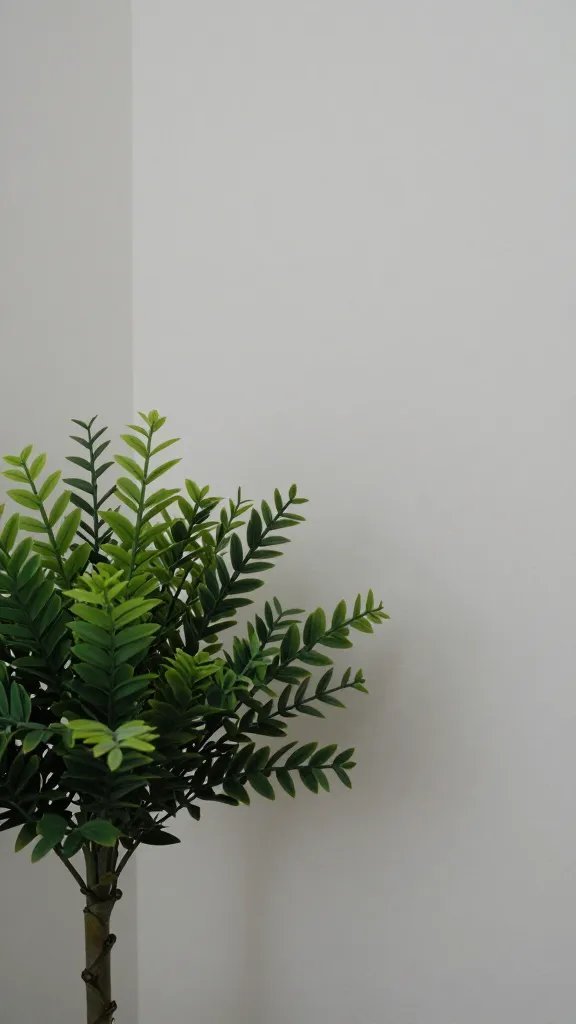
Negativity isn’t a drama term here; it’s design shorthand. Leave generous gaps around furniture and art to give the room air to breathe. It creates a calmer, more upscale feel.
- Don’t crowd the sofa with too many side tables
- Leave one wall mostly bare with a single large piece of art
- Use plants strategically to add life without clutter
10. Multi-purpose corners that don’t scream multifunction
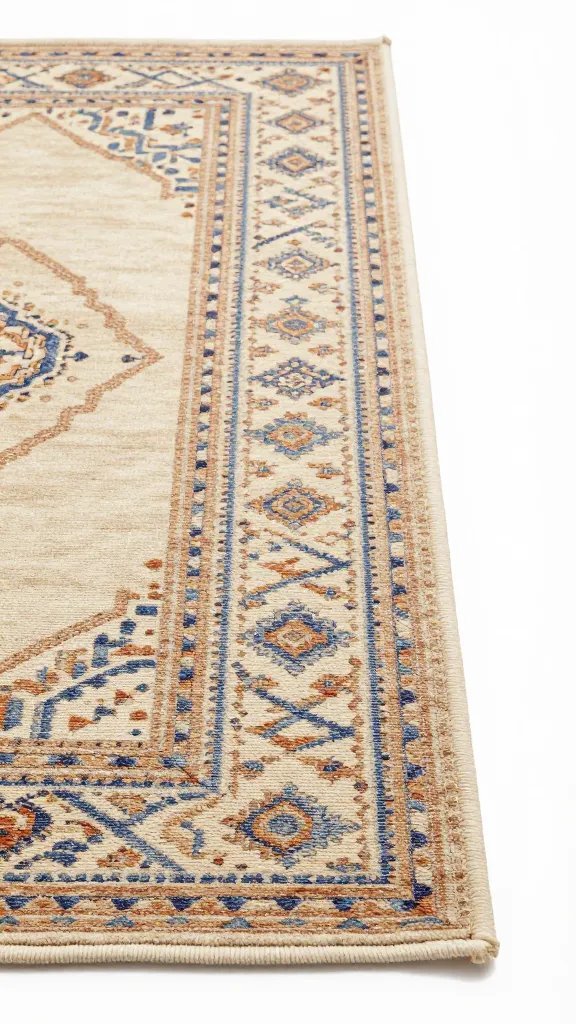
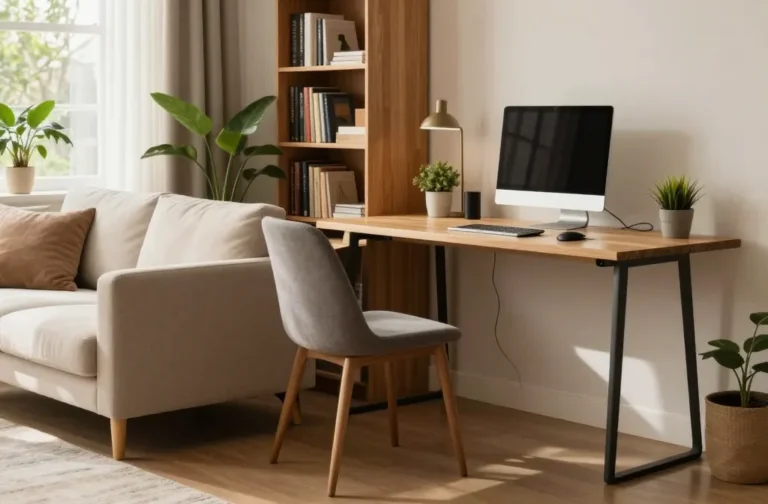
Small spaces love function. A corner can host a learning nook, a reading chair, or a slim console with lighting. The key is to keep the look cohesive and to ensure it doesn’t steal the spotlight from the seating area.
Idea sparks
- A slim desk with a pouf for quick work
- A tall plant in a chic planter to draw the eye up
- A floating shelf with a few well-chosen decor objects
11. Floor plan finesse: flow above everything
Seriously, layout matters more than you think. Arrange seating to create intimate conversation nooks while preserving clear paths. If your space feels crowded, swap a bulky chair for something lighter and keep traffic lanes open.
12. Concrete examples: 2 mini makeovers
Sometimes you just need a couple of real-life swaps to prove the concept. Try replacing a bulky coffee table with a pair of slim nesting tables. Swap out heavy drapes for lighter linen panels. The changes are small, but the impact is big.
Case-in-point
– In a 12×14 living room, swapping a large sofa for a compact one immediately opened sightlines.
– Adding a floor lamp and a tall mirror doubled the perceived space.
13. Cozy, not chaotic: keeping it warm
Formality doesn’t mean frostbitten. Introduce warmth with textiles, wood tones, and a soft rug. A wood coffee table, a warm throw, and a bit of brass hardware create a timeless, inviting feel.
- Choose warm metals like brass or aged gold
- Incorporate natural textures—jute, wood, linen
- Light, not glaring, illumination ties the room together
14. Personal touches that still feel refined
Your home should tell your story, but in a controlled way. Display a couple of meaningful items, not a museum of every memory. A single family photo in a stylish frame, a favorite book stack, or a curated tray can add personality without clutter.
Smart display guidelines
- Limit to 4-6 meaningful objects on any surface
- Group items in odd numbers for visual harmony
- Consistent framing or material for cohesion
FAQs small formal living room ideas
What makes a living room feel formal but not crowded?
A formal feel comes from refined finishes, cohesive color palettes, and well-tailored furniture. Avoid clutter by keeping surfaces clean, using negative space, and choosing pieces with clean lines and proper scale. Layer lighting and texture to add warmth without noise.
How can I maximize seating in a small formal living room?
Pick a compact sofa, add a pair of slimmer chairs, and consider multifunctional pieces like ottomans that open for storage. Use nesting tables that slide away when not in use. The goal is flexible, stylish seating that doesn’t trap the eye.
Should I use a rug in a small formal space?
Yes. A rug defines the seating area and adds luxury. Make sure it’s large enough so front legs of furniture rest on it. This anchors the space and prevents a jumbled look.
What colors work best in small formal living rooms?
Neutral bases (ivory, greige, taupe) with strong accents work well. Keep most pieces in muted tones, then pepper in one or two bold colors through pillows or art. FYI, contrast creates depth without shouting.
How do I keep a small room feeling bright?
Layer light sources and maximize natural light. Use light window treatments, strategic mirrors, and keep the walls light-toned. Dimmers help you adjust mood without sacrificing elegance.
Conclusion small formal living room ideas
Small formal living rooms don’t have to feel cramped. With thoughtful scale, restrained color, and smart lighting, you get elegance without the squeeze. Focus on open sightlines, tactile textures, and a few well-chosen accents, and your space will exude polished ease instead of pile-on chaos. Ready to try one or two ideas tonight? IMO, you’ll wonder why you didn’t start sooner.