14 Very Small Living Room Ideas for Tiny Homes That Maximize Every Inch

A tiny living room can still feel comfortable, stylish, and functional with the right design choices. The best very small living room ideas for tiny homes focus on saving space, reducing clutter, and making every corner useful without sacrificing comfort.
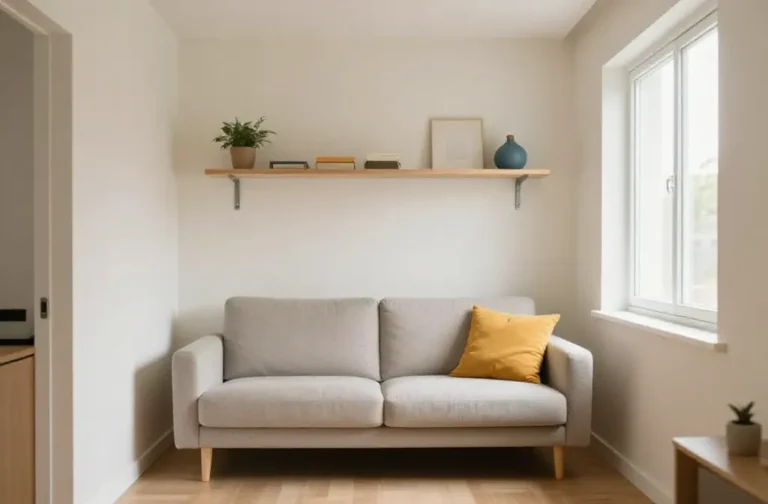
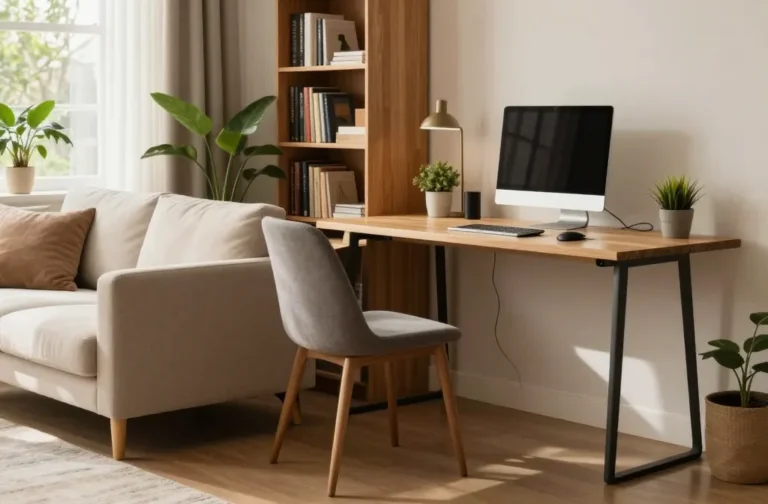
Choose compact sofas, multifunctional furniture, and nesting tables to keep the layout practical. Wall-mounted shelves, hidden storage, and light colors can help the room feel more open and organized. Large mirrors, layered lighting, and simple decor can also make a small living area feel brighter and more inviting.
In this article, you’ll discover 14 very small living room ideas for tiny homes that combine smart layouts, clever storage, and stylish details. These practical ideas can help you create a cozy living room that makes every inch count.
1) Multi-Functional Furniture That Sparks Joy
When space is precious, furniture that does more than one job becomes a lifesaver. Think sofa beds, storage ottomans, and coffee tables with drawers. They reduce clutter while keeping the room usable and comfortable. Do you really need a separate TV stand when your ottoman can hide the remote, chargers, and a few blankets?
Smart Picks to Consider
- Ottomans with hidden storage
- Wall-mounted drop-leaf tables
- Storage benches at the entry or under windows
2) Scale Your Rug, Scale Your World
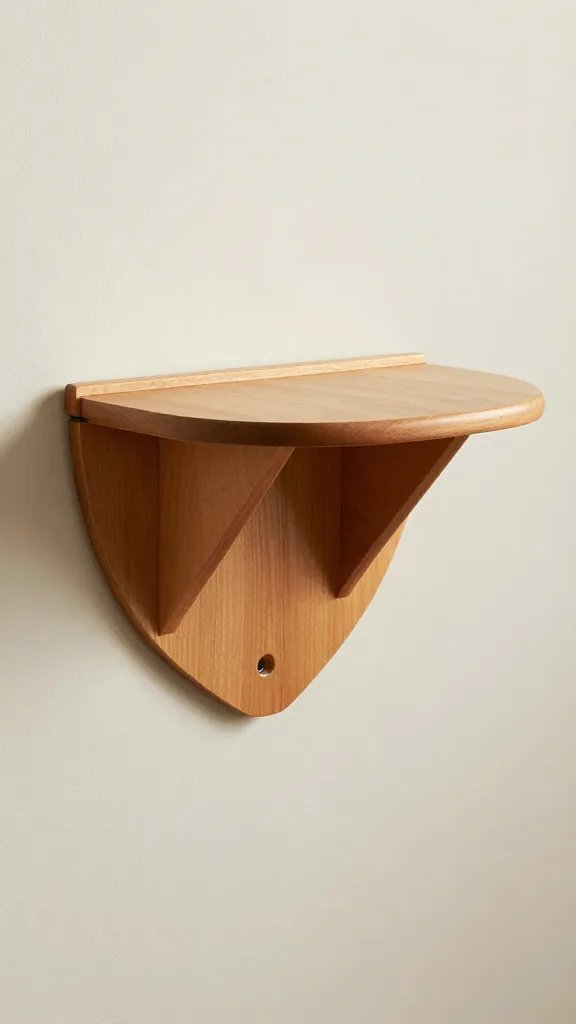
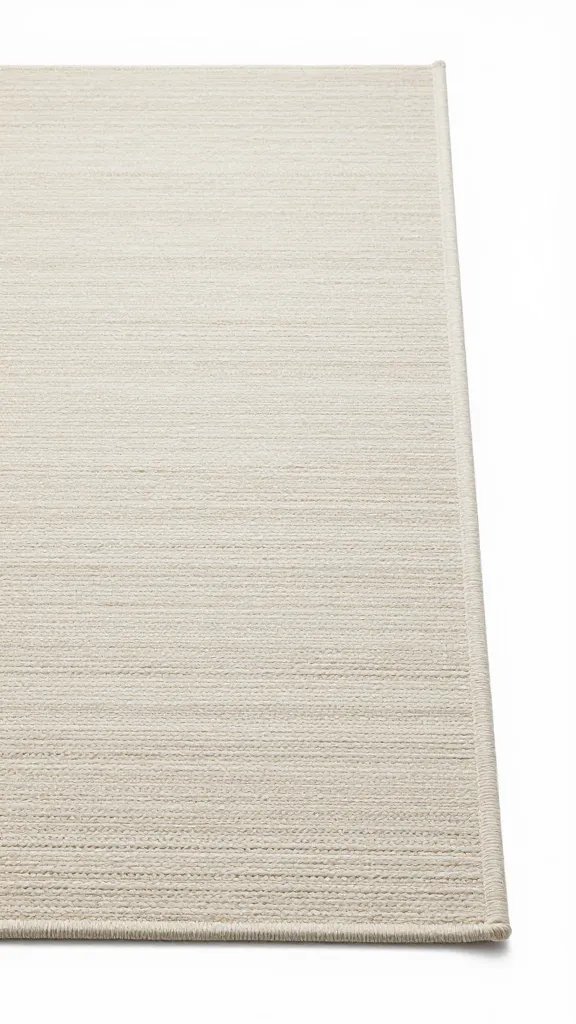
Rugs anchor a room, but too big a rug drowns small spaces and too small a rug looks lonely. Choose a proportion that leaves space around the edges for air to move. A well-placed rug defines seating without feeling claustrophobic. Remember: scale matters more than color here sometimes.
Tips for Rug Picking
- Use a rug that fits the front legs of the sofa and chairs
- Consider runners to visually elongate a narrow room
- Opt for low-pile textures to avoid a bulky look
3) Vertical Space Is Your Secret Weapon
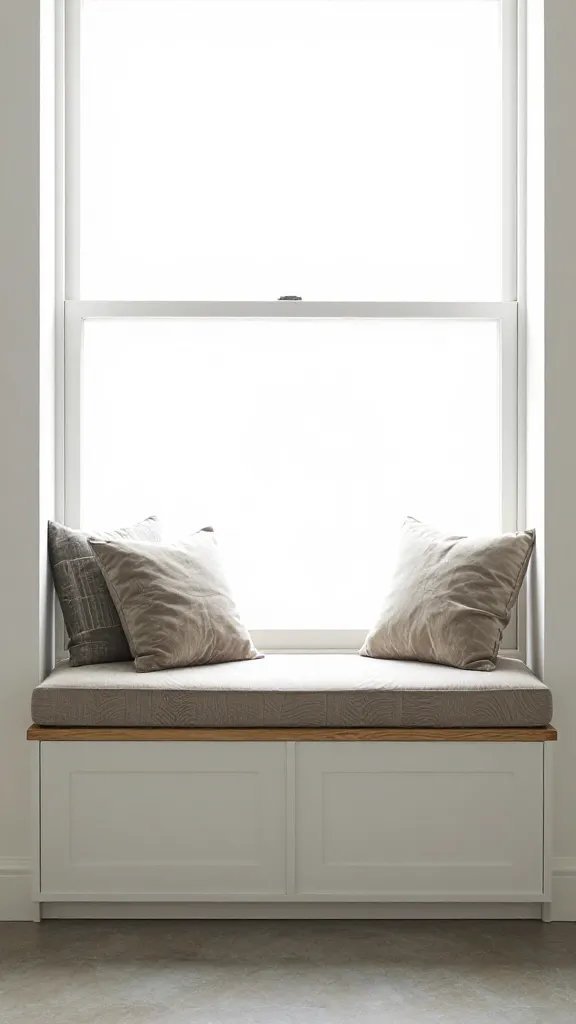
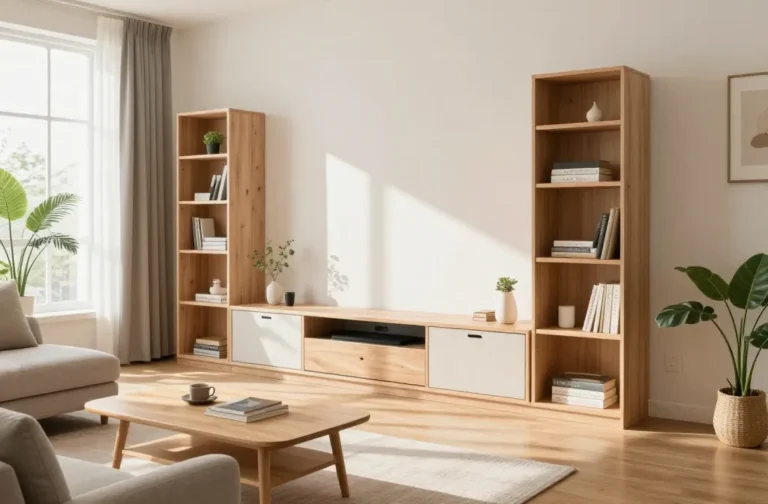
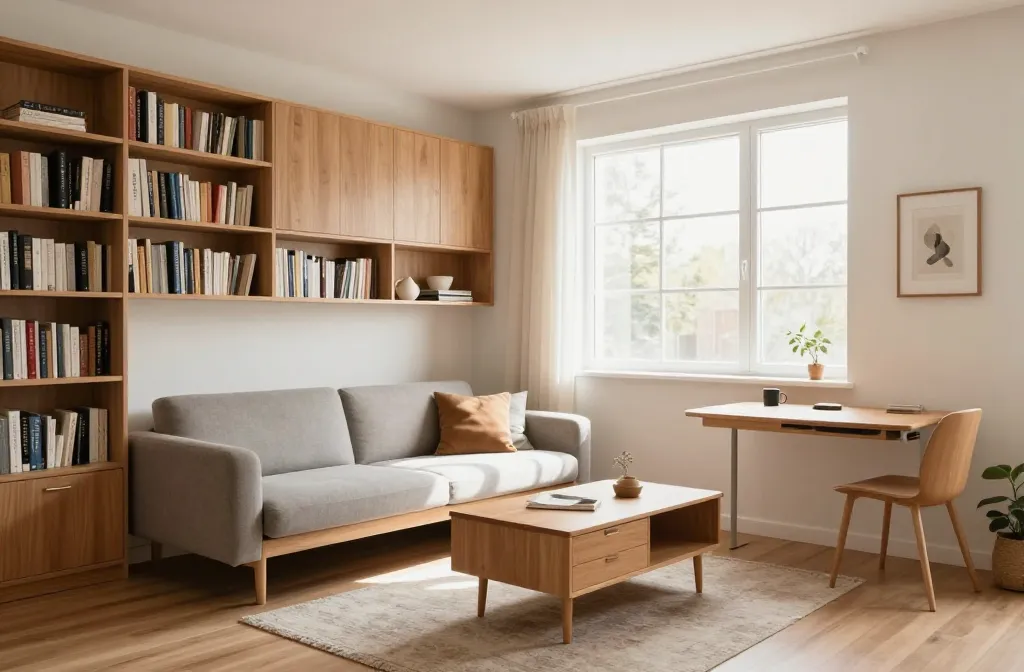
If you’re short on floor space, head up. Tall bookshelves, wall-mounted cabinets, and ceiling-mounted lighting pull attention upward and free floor area. Go for floating shelves to stash essentials without crowding surfaces.
Ways to Maximize Vertical Rooms
- Install tall, slim bookcases beside the couch
- Use wall-mounted lamps to save bedside or end-table space
- Hang art or mirrors high to create the illusion of height
4) Clever Zoning Without Walls
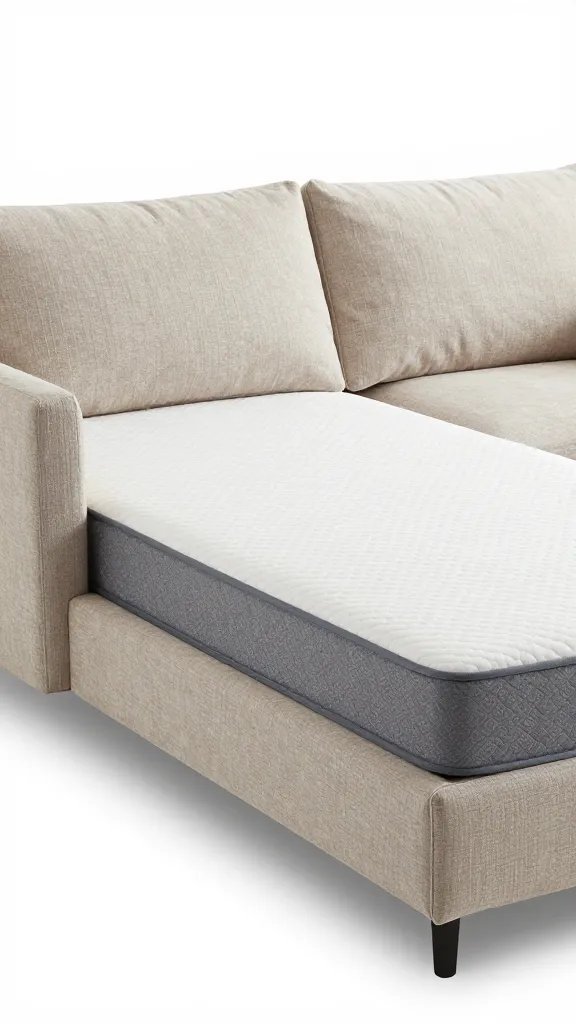
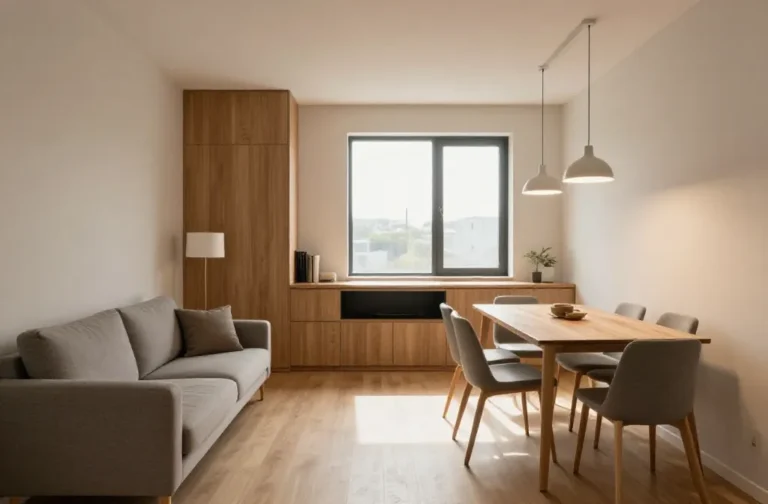
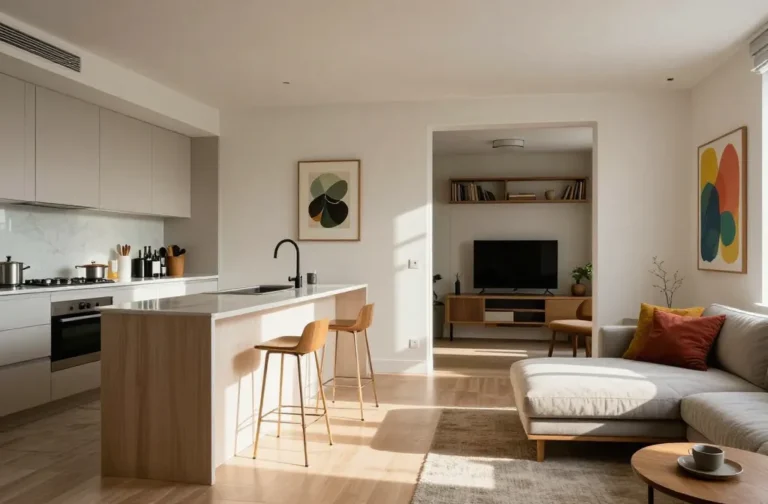
A tiny living room still needs zones. Use color shifts, lighting, and furniture arrangement to separate seating from a tiny dining nook or workspace. No walls needed—just smart layout and a few visual cues to guide the eye.
DIY Zoning Ideas
- Place a bookshelf as a room divider with open sides
- Use a rug to define the lounge area from the dining space
- Hang a curtain or a sliding panel for flexible separation
5) Light Colors and Reflective Surfaces That Open Up Space
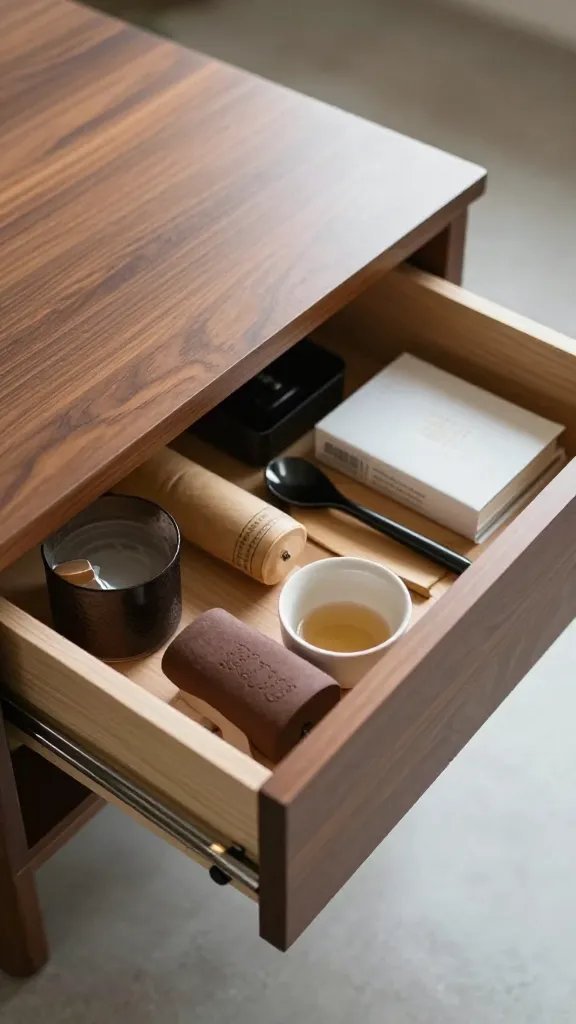
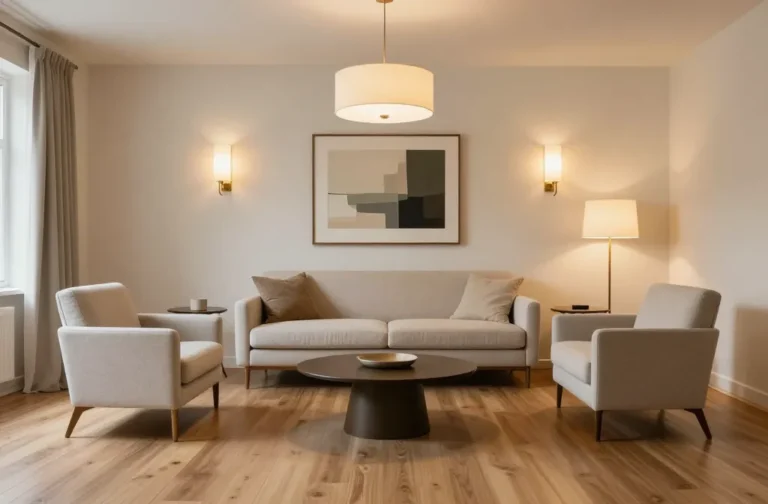
Lighter tones fool the eye—in a good way. Use pale walls, ceilings, and furniture to keep the room feeling airy. Reflective surfaces like glass, metallics, or glossy finishes bounce light around and prevent the space from feeling dim.
Where to Start
- Paint walls in off-white or soft greige
- Choose a glass coffee table or mirrored accents
- Keep window treatments minimal to maximize daylight
6) Built-In Solutions That Think Ahead
Built-ins are the original space hackers. They’re custom-fit for your tiny home, giving you storage, seating, or even a mini workstation where nothing would otherwise fit. Yes, they cost more upfront, but the payoff is a cleaner, more organized living room.
Popular Built-In Ideas
- Under-window seating with hidden storage
- Wall-to-wall shelving that starts at floor level
- Peek-a-boo cabinets above eye level to keep clutter out of sight
7) The Power of Mirrors and Optical Illusions
A well-placed mirror doubles the apparent space and brightens the room. Pair it with a chic frame and a nearby lamp to bounce light during the day or night. Mirrors aren’t just for selfies; they’re space-savers in disguise.
Where to Place Mirrors
- Opposite a window to catch natural light
- Next to a light source to amplify glow
- Behind seating to visually expand the area
8) Foldable and Stackable: The Ultimate Space-Savers
Not every seat needs to be permanent. Folding chairs, nestable stools, and stackable dining chairs can appear when you need them and vanish when you don’t. Your future self will thank you for the flexibility.
Smart Examples
- Fold-down wall desks for a tiny workspace
- Stackable dining chairs tucked under a console
- Foldable coffee tables that tuck into the sofa edge
9) Plants That Don’t Take Over your Room
Plants bring life, but a jungle vibe can overwhelm a compact space. Pick compact options with a neat silhouette and place them where they add color and texture without crowding. FYI, plants also improve air quality and mood.
Low-Muss Options
- Small pothos or succulents on shelves
- A tall snake plant in a slim pot
- Hanging planters near windows to save surface space
10) Tech-Savvy but Not Tech-Heavy
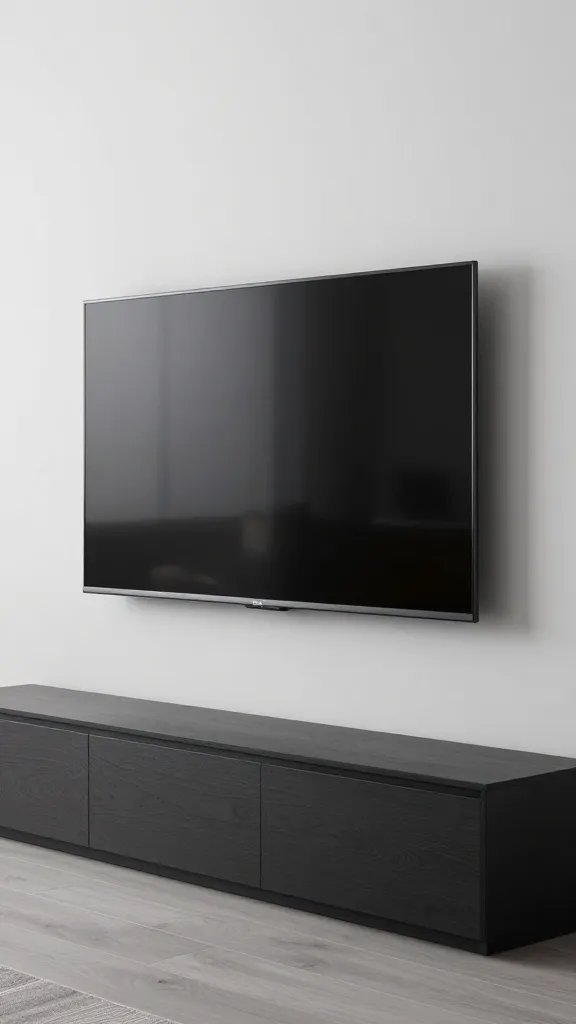
Smart solutions can reduce clutter. Consider a compact TV wall mount, a streaming device with a single remote, or hidden cable management. The goal: max entertainment with minimum visible tech.
Simple Setups
- Wall-mounted TV with cable concealer
- Compact soundbar mounted under the TV
- Wireless charging station integrated into a side table
11) Textures and Patterns That Expand Perceived Space
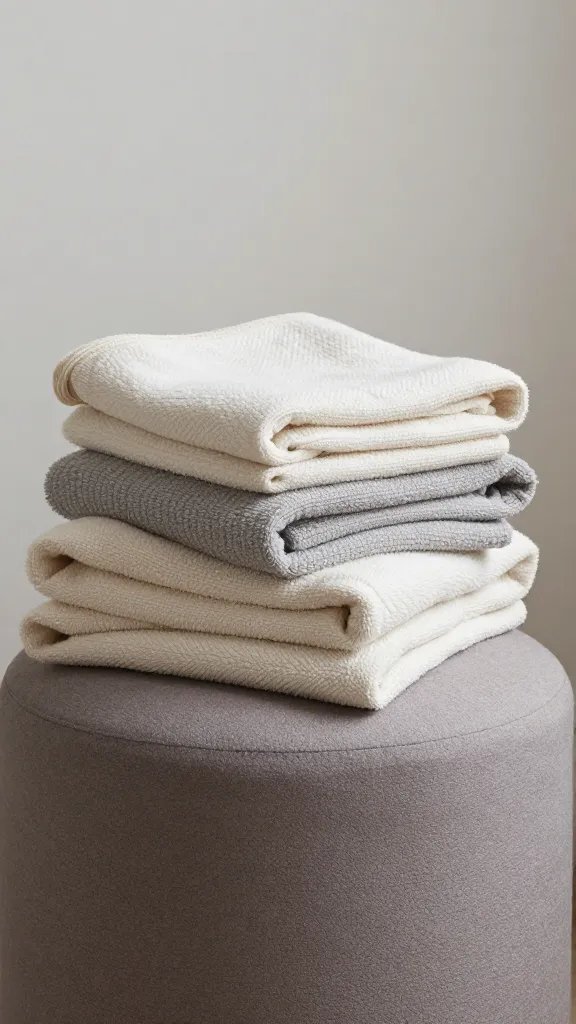
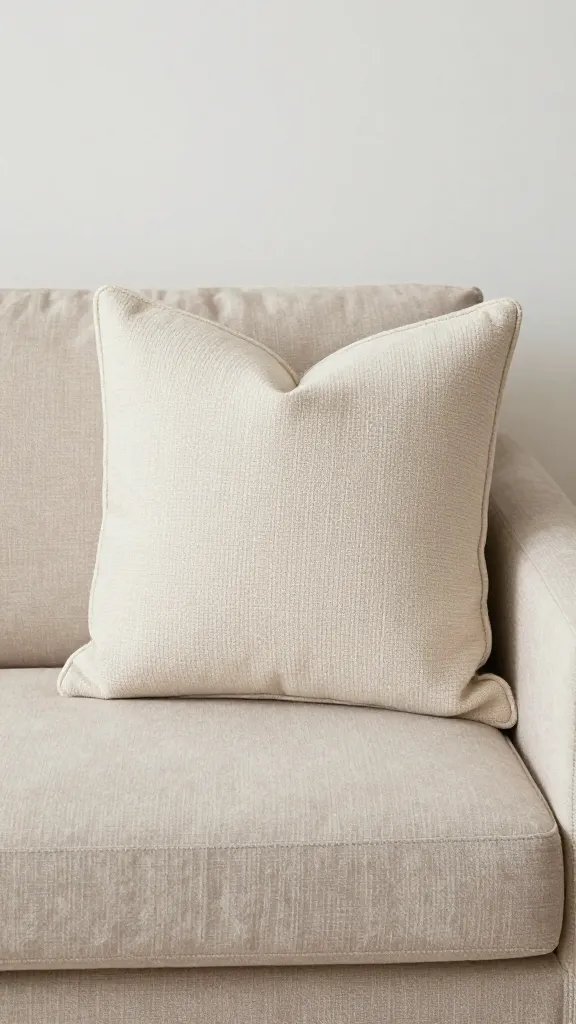
Texture can trick the eye just as well as color. Use subtle patterns in cushions, throws, and a single patterned rug to add depth without making the room feel busy. Keep the palette cohesive to maintain calm vibes.
Texture Tips
- Mix matte and satin surfaces for depth
- Limit bold patterns to one focal area
- Incorporate natural materials like wood and woven fabrics
12) Personal Touches Without Clutter
Your tiny living room should feel like you. Curate a few meaningful pieces—photos in slim frames, a favorite sculpture, a quirky lamp—so the space feels warm and lived-in, not showroom cold.
Display Dos and Don’ts
- Do rotate a few decor items seasonally
- Don’t fill every surface—let some breath space
- Do group small items in threes for visual harmony
13) A Cozy Corner That Feels Bigger
Create a corner that feels like a small sanctuary. A comfy chair, a compact side table, and a soft throw invite reading, tea, or a quick nap. Make it special with warm lighting and a plant or two.
Layout Punches Up Comfort
- Angle the chair to the room’s natural flow
- Use a wall-mounted lamp to save side table space
- Put a small ottoman nearby for extra seating when guests arrive
14) A Small-Space Mindset: Declutter Like a Pro
The best design ideas mean nothing if you’re drowning in stuff. Adopt a ruthless decluttering strategy: keep only what you love or what you truly use. Regularly reassess and pare down to essentials—your future self will thank you, I promise.
FAQ
How can I make a tiny living room feel bigger without repainting?
Start with layout and lighting. Move furniture away from walls to create a sense of depth, add a large mirror opposite a window, and use light, neutral colors on walls. Accent with a few bold pops to keep it lively—without closing the space in.
What are the best storage ideas for a very small living room?
Prioritize vertical storage and hidden options. Think floating shelves, wall-mounted cabinets, under-sofa storage, and a coffee table with drawers. Consider furniture that doubles as storage, like an ottoman or a storage bench.
Should I use a sofa bed or a regular sofa in a tiny living room?
Sofa beds win for guests and small apartments with multi-use needs. If you rarely host overnight guests, a regular compact sofa with a chaise or a loveseat might feel cozier. Measure carefully and choose a piece with a slim profile to maximize floor space.
How can I integrate a dining area in a tiny living room?
Opt for a small, extendable dining table or a wall-mounted drop-leaf table that folds away when not in use. Pair it with slim dining chairs or stools that tuck under the table to keep traffic flow open.
What colors work best in ultra-small spaces?
Light neutrals like warm whites, soft beiges, and pale grays create the illusion of more space. Accent with a single bold color in accessories to keep the room lively without feeling crowded.
Conclusion 14 Very Small Living Room Ideas for Tiny Homes That Maximize Every Inch
Tiny living rooms don’t have to feel tiny forever. With the right mix of multi-functional furniture, vertical storage, clever zoning, and a dash of personality, you can maximize every inch while keeping the space welcoming and stylish. So go ahead—start small, think vertical, and let the space work for you. IMO, the best part is that you can always adjust as your needs evolve.